Justice Abdulai calls for urgent action as Aksa Energy bribery scandal reveals gaps in parliamentary accountability
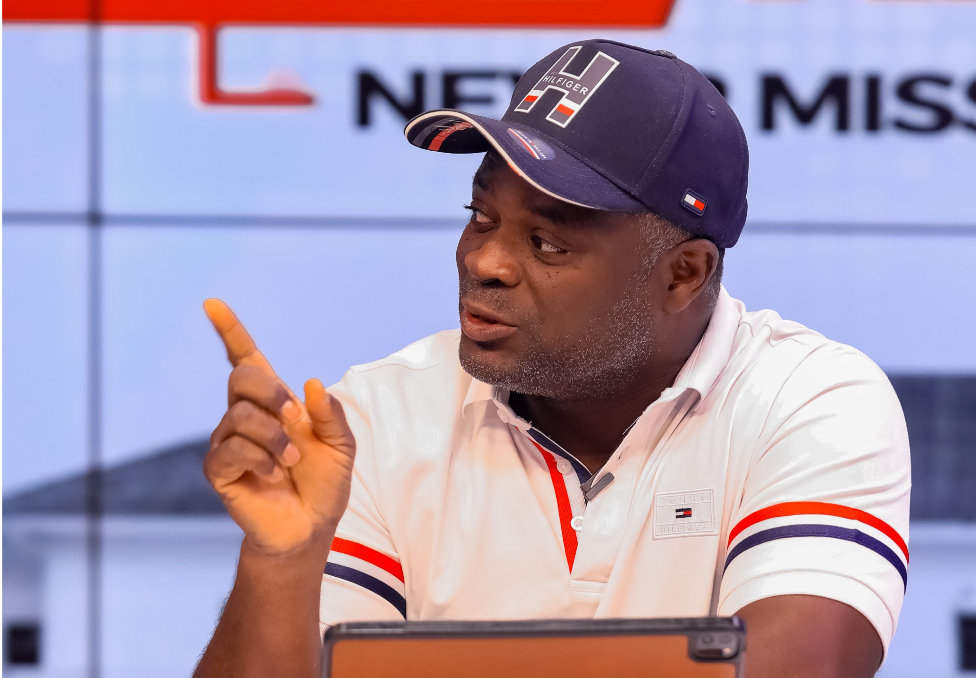
A prominent member of Ghana's judiciary has issued a stark warning about weaknesses in parliamentary oversight mechanisms, citing the Aksa Energy bribery scandal as a troubling case study of institutional vulnerabilities that threaten democratic accountability.
Justice Abdulai has called on President John Dramani Mahama to take immediate action on the scandal, underscoring concerns that the incident exposes significant gaps in how Parliament scrutinises major energy sector dealings and holds stakeholders accountable.
Parliamentary oversight under scrutiny
The comments highlight a recurring challenge in Ghana's governance framework: ensuring that parliamentary committees and oversight bodies have sufficient teeth to investigate and prevent corruption in critical sectors like energy. The energy sector remains vital to Ghana's economic development, with major contracts and procurement decisions carrying implications for national resources and public finances.
Justice Abdulai's intervention suggests that the judiciary is increasingly concerned about the adequacy of current oversight structures. His call for presidential action indicates that executive-level commitment may be necessary to strengthen parliamentary investigative powers and ensure consequences for misconduct.
Why it matters for Ghana
The Aksa Energy scandal arrives at a pivotal moment for Ghana's anti-corruption agenda. The country has faced international scrutiny over governance standards, and high-profile cases involving bribery allegations in critical sectors directly impact investor confidence and Ghana's standing on transparency indices.
For ordinary Ghanaians, weaknesses in parliamentary oversight translate into potential mismanagement of public resources and unfair advantage for well-connected firms. Energy infrastructure projects affect electricity costs, reliability and access across the country—making transparency in contracting essential to public welfare.
The scandal also carries political weight. President Mahama's administration entered office with promises of renewed focus on anti-corruption efforts. Swift, visible action on this case would demonstrate commitment to those pledges, whilst delayed responses could undermine public confidence in governance reforms.
Strengthening accountability mechanisms
Justice Abdulai's statement implicitly calls for systemic improvements beyond this single case. Potential measures could include:
- Enhanced parliamentary committee powers to summon witnesses and compel document disclosure in energy sector investigations
- Strengthened vetting procedures for major energy contracts to identify conflicts of interest early
- Clearer whistleblower protection frameworks encouraging disclosure of irregularities in energy deals
- Regular audits of large energy sector contracts by independent bodies
The judiciary's public intervention underscores that accountability cannot rely solely on parliamentary self-regulation. Multi-institutional coordination—involving Parliament, the executive, law enforcement and the courts—appears increasingly necessary to address corruption patterns in sensitive sectors.
As President Mahama considers next steps, his response to this case will signal whether the administration is willing to pursue accountability regardless of the profile of those involved, and whether Ghana's institutions can work together effectively to protect public interest in critical infrastructure decisions.
Source: 3News

Comments (0)
Be the first to comment.