Ghana's murky procurement culture: Why contract payment scandals keep resurfacing

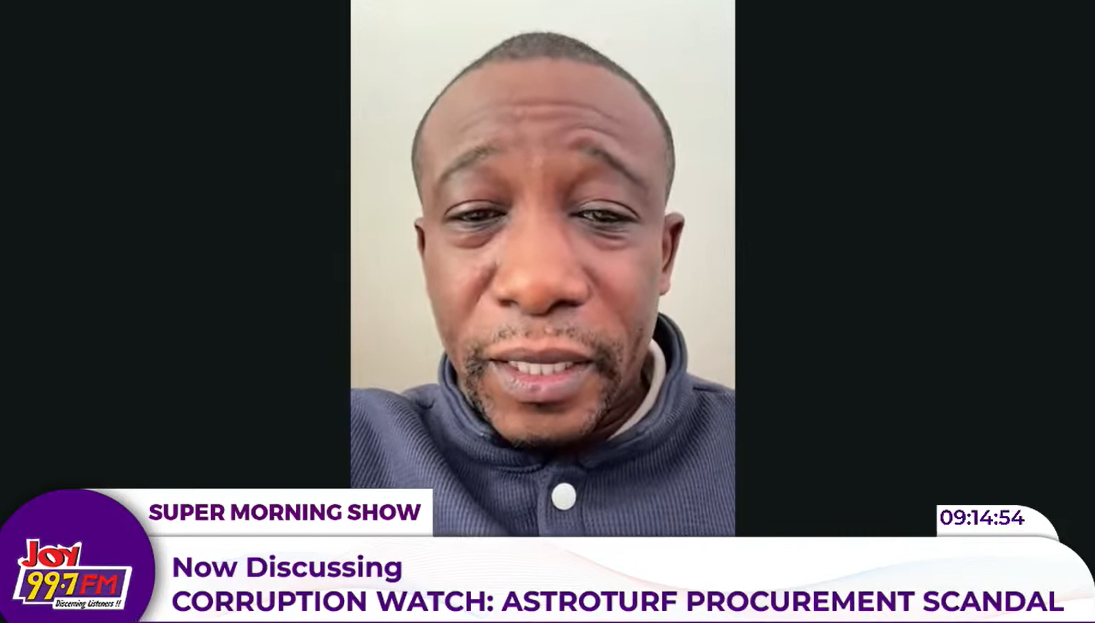
Ghana's procurement landscape remains plagued by an uncomfortable truth that few in authority openly acknowledge: the practice of paying money to secure government contracts has become normalised, according to a prominent commentator who has broken ranks to confront the issue directly.
The remarks come amid the ongoing Berko-AKSA controversy, which has thrust Ghana's contract allocation processes back into the spotlight. Rather than treating the scandal as an aberration, the observer has challenged the widespread tendency among officials and stakeholders to deny or downplay such practices as routine parts of doing business with government.
A systemic problem masquerading as isolated incidents
What makes this latest intervention significant is its candid acknowledgment that informal payment schemes for government contracts are not new, nor are they uncommon. Each time such scandals surface—whether involving procurement officials, business intermediaries, or government ministries—the standard response involves shock, denial, and promises of investigation. Yet beneath the surface, the mechanics of how contracts actually flow within Ghana's public sector remain largely unchanged.
The Berko-AKSA saga has exposed uncomfortable questions about transparency and competitive bidding. Yet the broader issue transcends this single case: it speaks to institutional weaknesses, insufficient oversight mechanisms, and the absence of genuine consequences for those who circumvent proper procedures. When powerful voices in business and governance refuse to openly name these practices, they effectively enable their continuation.
Why it matters for Ghana
Ghana's development trajectory depends heavily on efficient, transparent public spending. When contract awards are determined by back-channel payments rather than merit and value-for-money, several consequences ripple outward. First, taxpayers fund bloated project costs inflated by intermediary commissions. Second, qualified local businesses that refuse to engage in such practices lose opportunities to better-connected competitors. Third, government projects frequently deliver poor quality or fail to meet timelines because contractors prioritised payment flows over execution capacity.
The cumulative effect weakens investor confidence, distorts market competition, and diverts resources from productive use. For a country pursuing industrialisation and infrastructure development, these leakages represent genuine opportunity costs. Additionally, when procurement malpractice becomes accepted wisdom, it corrodes public trust in institutions—a foundational requirement for functional democracy.
Ghana has invested in anti-corruption frameworks: the Office of the Special Prosecutor, parliamentary oversight committees, and civil society watchdogs all exist. Yet their effectiveness depends on political will and public pressure. The Berko-AKSA row is an opportunity to move beyond selective outrage toward systemic reform.
Moving beyond denial toward accountability
Real progress requires three shifts. First, acknowledge openly that informal contract payments exist as a significant problem, not peripheral anomaly. Second, strengthen institutional checks through competitive bidding transparency, mandatory disclosure of beneficial ownership, and swift investigation of irregularities. Third, establish genuine consequences for officials and business actors found facilitating improper payments.
The commentator's intervention matters because it invites Ghanaians to stop pretending these practices don't happen and start demanding structural changes. As long as public figures treat contract payment scandals as shocking surprises rather than symptoms of deeper dysfunction, the cycle will persist.
Ghana's next chapter in procurement reform begins with honest conversation about current reality.
Source: 3News



Comments (0)
Be the first to comment.