Ghana's Energy Contracts Shrouded in Secrecy: CEMSE Demands Transparency to Curb Sector Losses
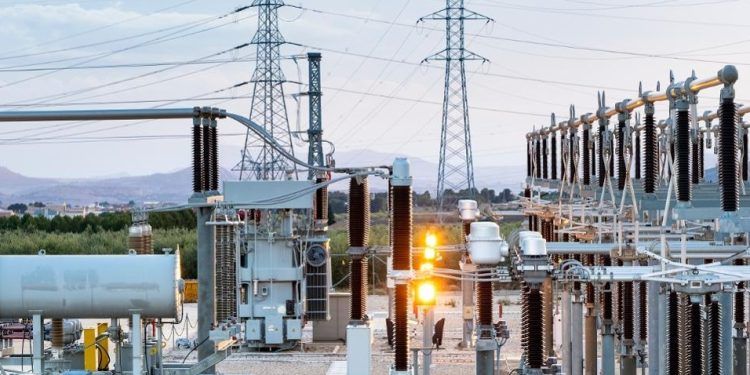
Ghana's energy sector is losing millions due to a lack of transparency in how state-owned enterprises manage their affairs, according to civil society advocates demanding that government publish all performance contracts in the public domain.
The Centre for Media Studies and Peacebuilding (CEMSE) has raised the alarm over what it describes as a critical governance vacuum in Ghana's public enterprise management. By keeping energy sector contracts hidden from public scrutiny, the government is enabling inefficiency, corruption, and financial mismanagement at a scale that ultimately harms ordinary Ghanaians through higher utility bills and compromised service delivery.
The Transparency Gap
Performance contracts—agreements that set targets and accountability measures for state-owned energy companies—are fundamental instruments of corporate governance. When these documents remain confidential, there is no mechanism for citizens, civil society organisations, or even parliament to effectively monitor whether these enterprises are meeting their obligations or squandering public resources.
CEMSE's position reflects a growing consensus among governance experts that public enterprises funded by taxpayer money should operate under public scrutiny. The absence of transparency enables:
- Wasteful spending without consequences or detection
- Inflated operational costs that get passed to consumers
- Leadership decisions that prioritise personal or political interests over public benefit
- Difficulty in identifying and addressing systemic inefficiencies
Why It Matters for Ghana
Ghana's energy sector is critical to national development. Disruptions to power supply affect factories, hospitals, schools, and homes across the country. Yet the sector has persistently struggled with operational losses, high production costs, and maintenance backlogs. Many of these challenges stem from poor governance and accountability failures that flourish in environments of secrecy.
When performance contracts are public, several positive outcomes typically follow. Government agencies can be held to account through parliamentary oversight and public pressure. Citizens gain confidence that their money is being managed responsibly. Investors and development partners are more willing to support sectors they can monitor transparently. Most importantly, the actual performance of energy companies improves because management knows their work is subject to public review.
CEMSE's call comes at a time when Ghana is grappling with electricity tariff increases and questions about why operational efficiency improvements haven't translated into lower consumer bills. Public disclosure of performance contracts would enable stakeholders to trace exactly how much money energy companies receive, what they spend it on, and whether executives are meeting agreed targets.
The Path Forward
Implementing this recommendation would require minimal legal change in most cases—many existing freedom of information laws already permit or require disclosure of government contracts. The barriers are often political reluctance rather than legislative obstacles.
For reform to succeed, pressure must come from multiple directions: civil society organisations continuing to demand access, parliament legislating where necessary to mandate disclosure, and citizens insisting that their elected representatives prioritise transparency. Ghana's constitutional commitment to accountability demands nothing less.
Source: 3News


Comments (0)
Be the first to comment.