
Opposition demands transparency over GH¢49.7m South Africa evacuation bill


The Minority in Parliament is demanding full documentary accountability for the GH¢49.7 million spent by the government to evacuate 1,964 Ghanaians from South Africa, raising fresh questions about transparency in major public expenditures.
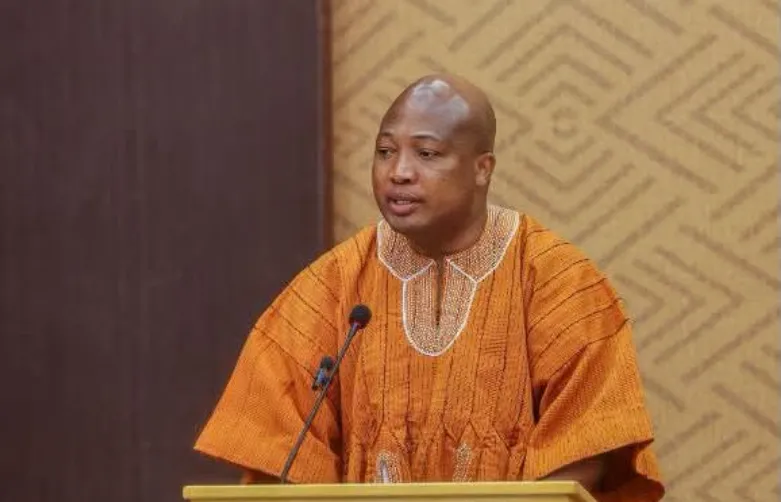
Minority MP Nana Asafo-Adjei Ayeh has formally requested documentary proof of the evacuation spending, citing an earlier Right to Information (RTI) application. The request signals growing parliamentary scrutiny of how government funds are deployed in emergency operations and crisis response.
The evacuation context
Ghana conducted the evacuation operation to bring home citizens who were in South Africa during a period of tension. The operation involved logistical coordination, transportation, accommodation and administrative costs. At GH¢49.7 million for nearly 2,000 evacuees, the cost worked out to roughly GH¢25,300 per person.
While evacuation operations are complex undertakings requiring rapid mobilisation of resources, the Minority's push for detailed documentation reflects broader parliamentary concerns about spending justification and value-for-money in government contracts and emergency operations.
Why it matters for Ghana
This demand for transparency speaks to a wider governance issue in Ghana: the need for public institutions to account for significant expenditures, particularly when taxpayer money is involved. Parliament's role as a check on executive spending is crucial, especially when large sums are deployed outside normal budgetary cycles.
The Minority's RTI approach is significant because it shows opposition lawmakers using formal accountability mechanisms rather than purely partisan criticism. This sets a precedent for how major government spending should be documented and made available for parliamentary review.
For Ghanaians, the principle at stake is straightforward—when government spends tens of millions of cedis, citizens deserve to know how that money was actually used. Detailed breakdowns might include: airfare costs, hotel accommodation, meal provisions, medical support, visa processing, security arrangements, and administrative overheads.
Parliamentary accountability
The RTI Act gives citizens and their representatives the legal right to access government information, provided it does not breach security or privacy. A parliamentary request for evacuation spending documentation is a reasonable exercise of this right.
The government is expected to provide itemised evidence showing how the GH¢49.7 million was spent across different cost categories. This could include invoices, flight manifests, hotel receipts, payment vouchers and contract agreements with service providers.
Whether the Minority's demand results in full disclosure will be a test of the government's commitment to transparency. Previous RTI requests in Ghana have sometimes faced delays or partial responses, creating frustration among lawmakers and civil society organisations.
As Ghana continues to strengthen its democratic institutions, parliamentary oversight of executive spending—even during emergencies—remains essential. The public will be watching to see whether the documentary evidence is provided promptly and comprehensively, or whether the government resists scrutiny of this significant expenditure.
Source: 3News

Comments (0)
Be the first to comment.