India eyes deeper ties with Ghana's ports sector through skills exchange
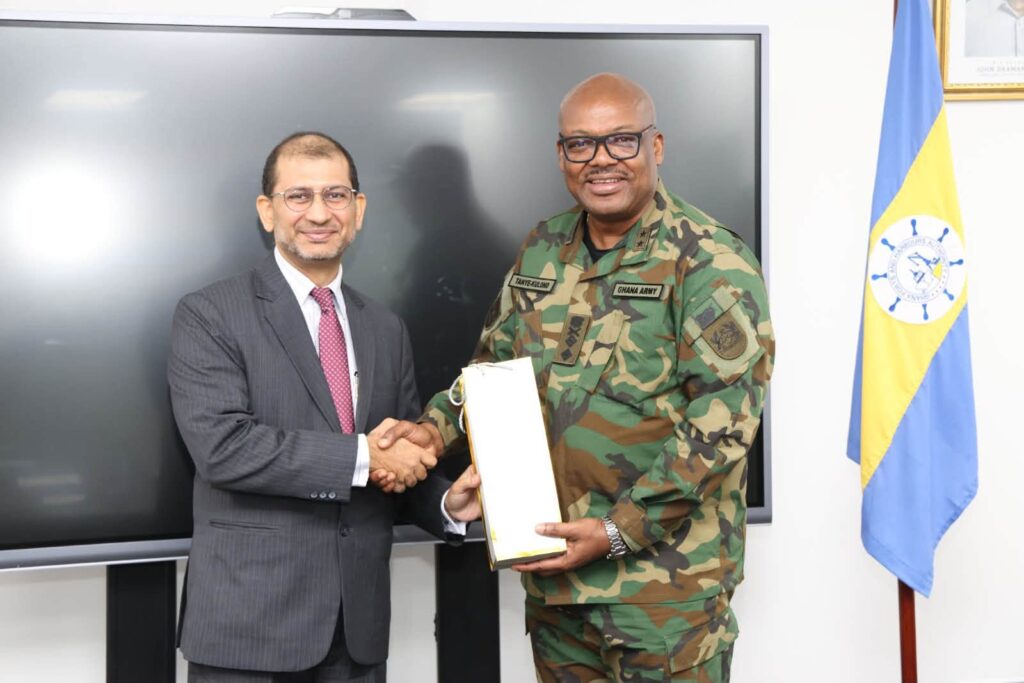
Ghana's ports authority is set to benefit from enhanced cooperation with India following a diplomatic visit focused on strengthening maritime sector collaboration. Ambassador Surinder Bhagat, India's newly appointed High Commissioner to Ghana, met with Brigadier General Paul Seidu Tanye-Kulono, Director-General of the Ghana Ports and Harbours Authority (GPHA), on Monday to chart a path for institutional partnership and skills development between the two nations.
The engagement marks Bhagat's first official visit to the GPHA since taking up his position in late June, signalling India's intent to deepen engagement with Ghana's maritime infrastructure. The discussions centred on practical avenues for collaboration that could enhance Ghana's port operations and shipping capabilities.
Focus areas of the partnership
Both sides identified several key areas for cooperation. Capacity building emerged as a primary focus, with plans to establish professional exchange programmes and specialised training initiatives. Ghana's maritime workforce could gain access to Indian expertise in port management, logistics, and operational efficiency—areas where India has developed significant institutional knowledge through its own major shipping hubs.
Knowledge sharing and technical assistance were highlighted as critical components of the partnership. The discussions acknowledged the potential for Ghana to adopt best practices in port modernisation and maritime administration, whilst India gains opportunities to strengthen African partnerships and expand its influence in West African maritime corridors.
Why it matters for Ghana
Ghana's ports are central to the nation's economic strategy and regional positioning. The country's position as a major West African trading hub means that improving port efficiency directly impacts trade competitiveness, investment attraction, and job creation. Enhanced technical expertise and training programmes could help Ghana reduce port congestion, lower shipping costs for businesses, and attract more regional trade through Tema and Takoradi ports.
This partnership also reflects broader geopolitical shifts in Africa. India has been actively expanding its maritime presence and influence across the continent through infrastructure cooperation, port investments, and skills transfer. For Ghana, such partnerships diversify development cooperation beyond traditional Western partners and provide access to expertise from a fellow developing nation that has successfully modernised its ports sector.
The timing is significant as Ghana continues infrastructure investments and seeks efficiency gains in critical sectors. Collaboration with India could support the nation's ambitions to become a regional maritime logistics leader, particularly as shipping routes and trade patterns evolve in the post-pandemic economy.
Next steps and expectations
Whilst the meeting was exploratory, the joint commitment to deepening institutional partnerships suggests concrete follow-up actions are anticipated. Formal agreements on training exchanges, technical consultations, and capacity-building programmes are likely to follow as the two organisations develop implementation frameworks.
The involvement of India's Second Secretary (Consular Wing), Yogendra Pal, alongside the High Commissioner indicates the diplomatic seriousness attached to these discussions. Such bilateral maritime cooperation typically translates into structured programmes within 12 to 18 months, with measurable outcomes in staff training, operational protocols, and knowledge transfer initiatives.
Source: MyJoyOnline


Comments (0)
Be the first to comment.