One in Five Ghanaian Districts Crippled by Teacher Shortages as Enrolment Soars Unabated
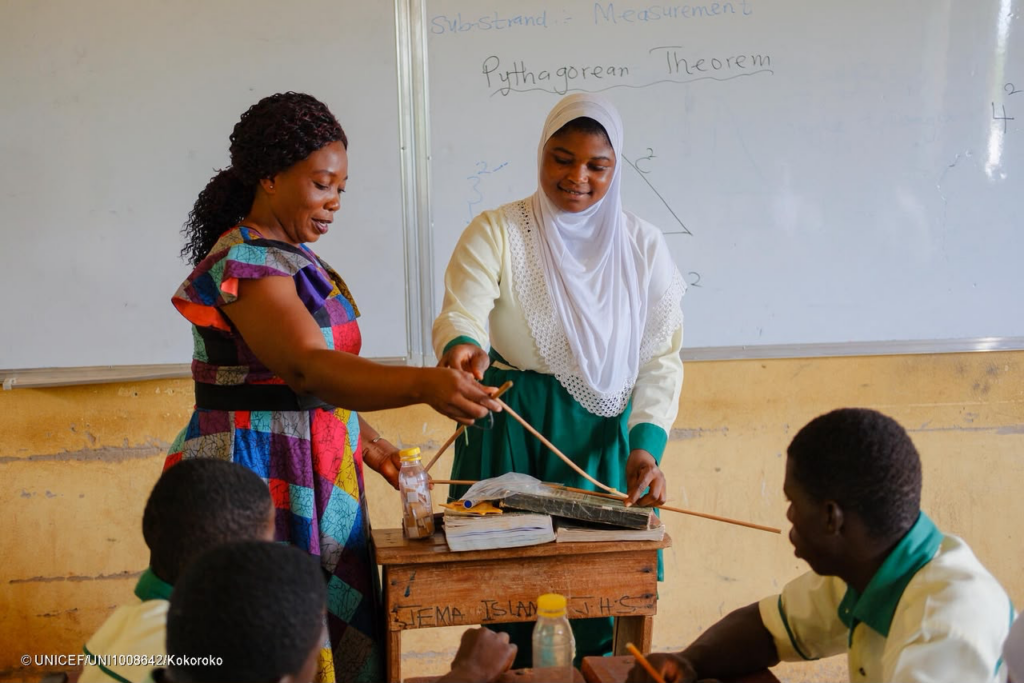
Ghana's education system faces a critical mismatch between rising pupil numbers and teacher availability. While the country has achieved near-universal school enrolment—with 99.6% gross enrolment at primary level and 98.4% at junior high school in 2022/23—a new government report reveals that approximately one in five districts are grappling with severe teacher shortages that are directly hampering learning quality.
The Teachers for All Ghana Report, launched by the Ministry of Education with backing from UNICEF and the UK Foreign, Commonwealth and Development Office, exposes significant inequalities in how teachers are distributed across public basic schools. The findings paint a troubling picture: while classrooms are bursting with pupils, critical staffing gaps are leaving learners behind academically.
The Performance Gap Behind Rising Enrolment
Ghana's success in getting children into school masks a deeper crisis in teaching quality. The 2024 National Standardised Test results underscore this stark reality: 45.27% of learners scored below basic proficiency in Mathematics, whilst 50.33% fell short in English. These figures suggest that enrolment rates tell only half the story—what matters equally is whether teachers are actually in classrooms to deliver quality instruction.
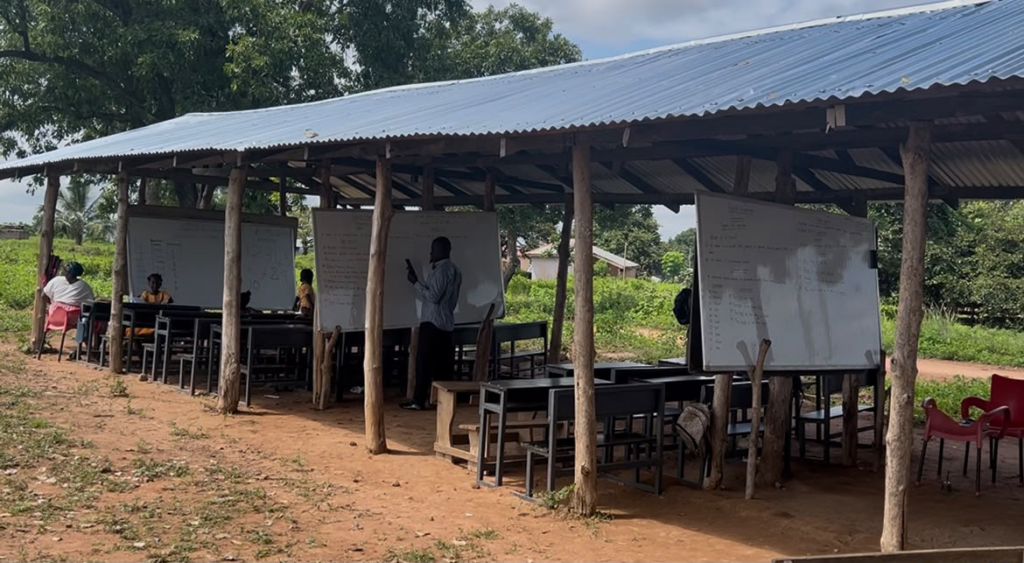
The report identifies unequal teacher deployment as a primary culprit in these disappointing learning outcomes. Districts experiencing the worst shortages have average pupil-teacher ratios that far exceed the Ministry's target of 35 pupils per teacher. Rural communities bear the brunt of this crisis, with northern regions facing the most acute challenges: the North-East Region operates at a 48:1 ratio, Savannah at 41:1, and Northern Region at 39:1.
The Rural Teacher Crisis and Gender Dimensions
Rural areas face a compounding problem: not only are there fewer teachers, but schools struggle to retain female educators. Women teachers posted to remote communities encounter multiple barriers—safety and security concerns, inadequate transport links, and poor sanitation and hygiene facilities. This creates a vicious cycle where girls in rural areas have fewer female role models and mentors in school, potentially affecting their educational aspirations and outcomes.
The report emphasises that this gender dimension is not merely a women's issue; it directly impacts learning equity and girls' educational participation across disadvantaged communities.
What This Means for Ghana's Education Future
The government's response must move beyond simply hiring more teachers. The report calls for evidence-based teacher deployment using granular district and school-level data to target scarce resources where need is greatest. It also recommends strengthening incentive structures—whether through allowances, career progression, or family-friendly policies—to attract and retain teachers in difficult-to-staff areas.
Critically, the Ministry of Education is allocating approximately 84% of its 2026 budget to teacher compensation. Proper deployment strategy could dramatically improve the return on this substantial investment. Better-distributed teachers mean smaller class sizes, stronger foundational learning in literacy and numeracy, and reduced gender disparities in educational access.
The challenge now is implementation. Ghana has the enrolment—children are showing up. What they need is qualified, motivated teachers showing up too, particularly in the rural north where the gap is widest. Without urgent action, the country risks producing a generation where access to school does not translate into access to quality education.
Source: MyJoyOnline


Comments (0)
Be the first to comment.