Cape Coast Anti-Corruption Campaign Targets Student Dishonesty as Foundation for National Integrity
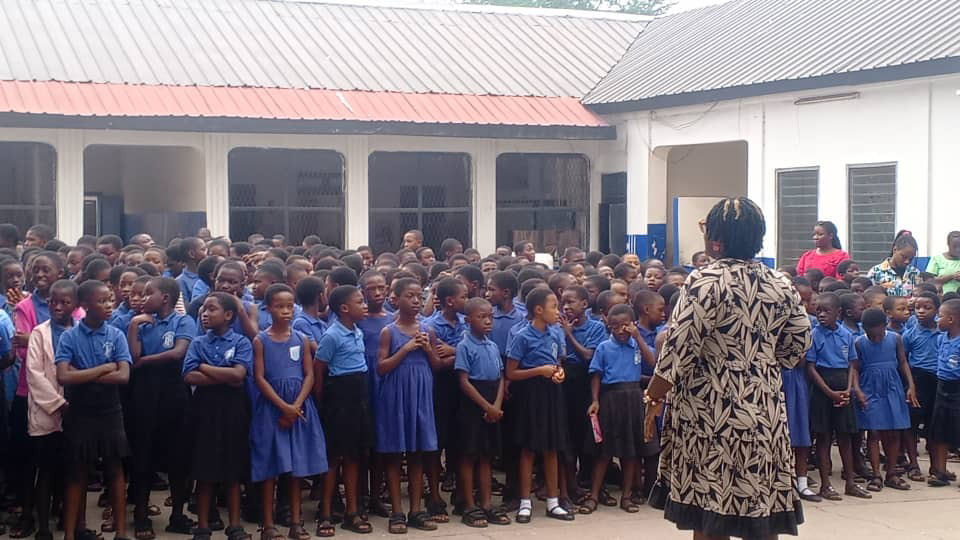
The Cape Coast Local Accountability Network (LANET) has launched a targeted campaign against student corruption, warning that seemingly minor acts of dishonesty in schools can lay the groundwork for widespread unethical behaviour in society. The message was delivered during an anti-corruption awareness programme at St. Monica's Girls' School in Cape Coast as part of African Anti-Corruption Day 2026 celebrations.
LANET, which operates as part of the Ghana Anti-Corruption Campaign network, identified a troubling range of corrupt practices flourishing within educational institutions. These include pupils offering money, gifts or favours to teachers and classmates in exchange for higher marks or special treatment, stealing classmates' belongings to extort favours, manipulating attendance records by signing in for absent students, and selling examination or homework answers. The organisation also highlighted how friendship and personal connections rather than merit are sometimes used to determine leadership positions and group assignments.
The Cost of School-Level Corruption
Speaking at the event, LANET member Scholastica Caroline Mensah emphasised that these behaviours undermine academic integrity and fairness in education. She warned that if such practices go unchecked during formative school years, they develop into lifelong patterns of unethical conduct that damage both individuals and society.
Ms Mensah urged pupils to embrace honesty by completing their own assignments, speaking truthfully and reporting dishonest practices when they witness them. She stressed that pupils who learn to reject bribery, cheating and favouritism from an early age become citizens who understand that success should be built on merit rather than personal connections or illicit advantages.
Fellow LANET member Pauline Fleischer reinforced this message, encouraging students to refuse any offer involving bribery or cheating. She explained that resisting dishonest behaviour at a young age helps children develop integrity, courage and accountability—qualities essential for building a transparent society.
Why This Matters for Ghana
Ghana's education system plays a crucial role in shaping future leaders, professionals and citizens. When corruption takes root in schools, it normalises dishonesty and undermines the meritocratic principles that development depends on. The LANET campaign addresses a systemic issue that, if left unaddressed, perpetuates cycles of corruption in government, business and public institutions.
By targeting students while their values are still being formed, the organisation tackles corruption at its source. The campaign also calls on multiple stakeholders—education authorities, school administrators and parents—to strengthen ethics education, enforce school regulations strictly and create safe reporting channels for victims and whistleblowers. This multi-level approach recognises that combating corruption requires shared responsibility across the education ecosystem.
Interactive Engagement and Path Forward
The programme at St. Monica's included interactive discussions and visual presentations designed to help pupils recognise different forms of corruption and understand their consequences. This hands-on approach makes anti-corruption values concrete and relatable rather than abstract.
LANET's focus on promoting integrity in schools aligns with broader national efforts to build institutional accountability and transparency. The organisation believes that raising responsible citizens during their school years is critical to transforming society's relationship with ethics and honesty. As Ghana continues to grapple with corruption challenges across public and private sectors, initiatives that instil integrity early offer a long-term foundation for systemic change.
Source: The Ghana Report



Comments (0)
Be the first to comment.