
How did alleged sexual abuser become Obuasi SHS headmaster? GES accountability questioned
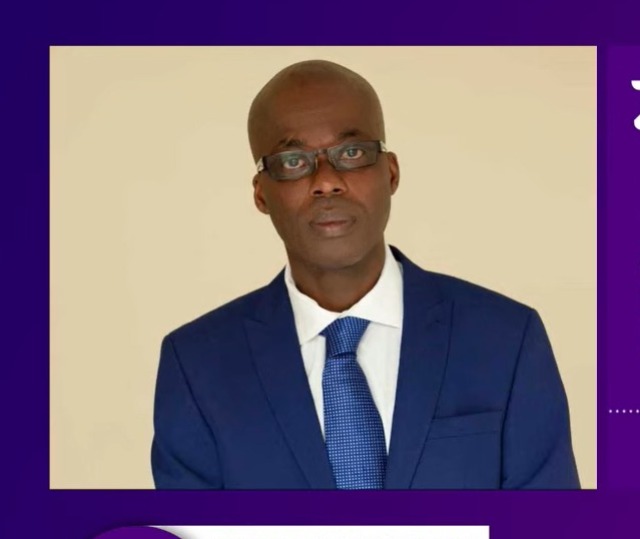

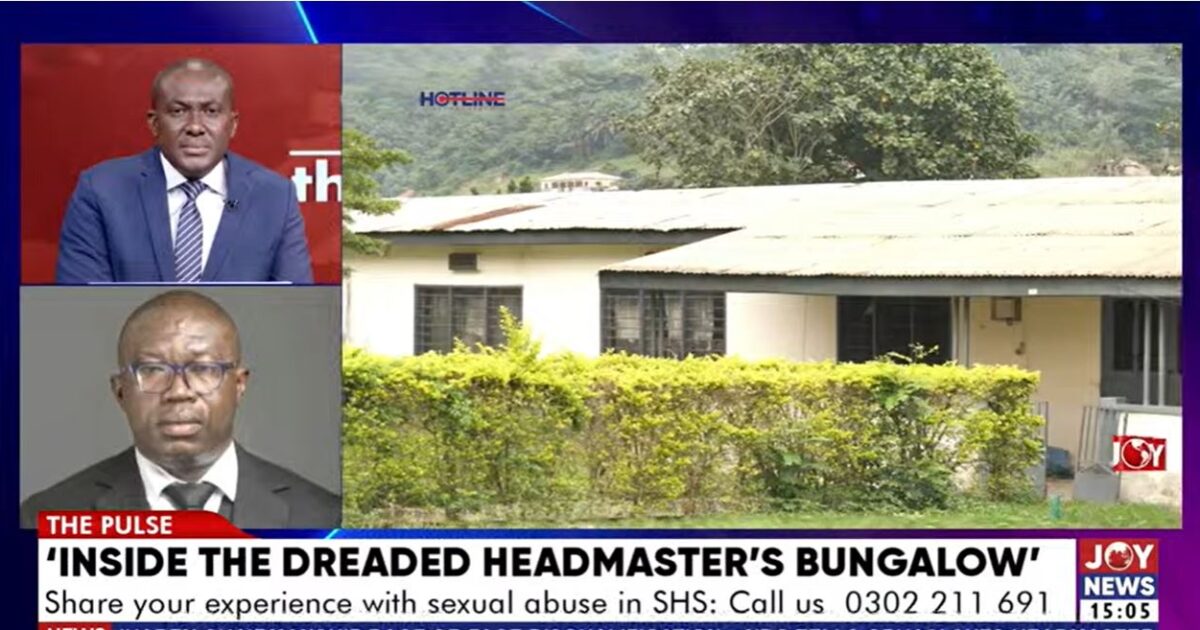
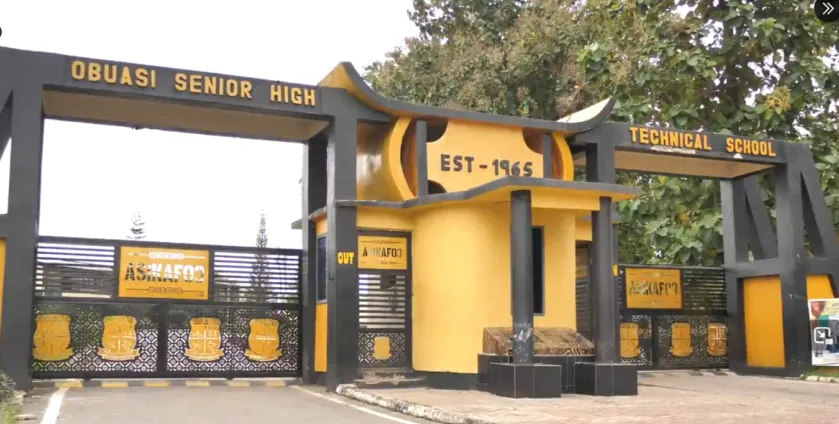
Questions are mounting over how the Ghana Education Service (GES) approved the appointment of Zakaria Abdulai as headmaster of Obuasi Senior High Technical School, despite allegations of sexual misconduct dating back to his previous role as an assistant headmaster at another institution.
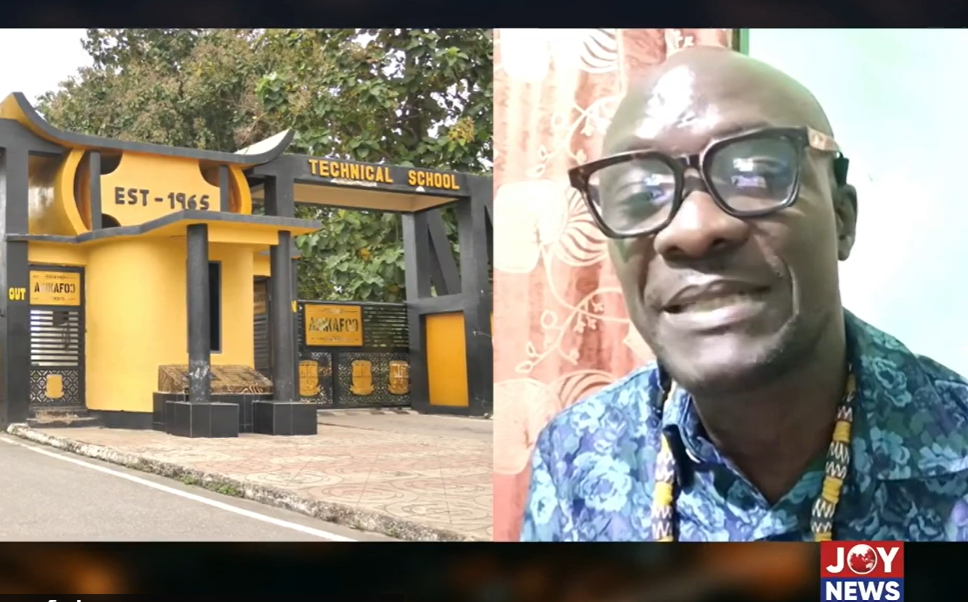
Kwame Sarpong Asiedu, a fellow at the Centre for Democracy and Development (CDD-Ghana), has raised serious concerns about the vetting process, arguing that promoting someone with unresolved allegations to a position of greater authority could have exposed students to heightened risk. Speaking on Joy FM's Super Morning Show, he challenged the GES to explain under what circumstances such an appointment was permitted.
The chain of accountability
At the heart of Sarpong Asiedu's critique is the principle of duty of care — the legal and moral obligation schools assume when parents entrust their children to them. He stressed that this responsibility extends far beyond the headmaster himself to encompass every official in the supervisory chain.
"When a parent brings their child to a boarding school, they are essentially devolving their parental responsibility to the institution," he explained. This means school authorities are acting in loco parentis, tasked with safeguarding students' health, safety, dignity, and protection from abuse.
His comments suggest that the GES officials asked to step aside during the investigation may bear responsibility — whether through negligence or deliberate protection — for failing to either flag concerns about Abdulai's earlier conduct or ensure proper safeguarding protocols were in place.
Why it matters for Ghana: Institutional protection over pupil safety
The Obuasi SHTS scandal reflects a troubling pattern Sarpong Asiedu identifies: a "cloak of protectionism" surrounding authority figures accused of sexual misconduct, both within schools and across broader institutions. This culture of shielding the accused undermines the very purpose of education systems — to protect the young.
The immediate trigger for public outrage was student-led protest. But Sarpong Asiedu's pointed question — "Would we be having this conversation if the students hadn't revolted?" — exposes a systemic failure. Without student activism, misconduct allegations might have remained buried, and institutional accountability might never have been demanded.
For Ghanaian parents, this raises urgent concerns about whether the GES has adequate mechanisms to vet school leaders, track prior allegations, and prevent the promotion of individuals with credible safeguarding concerns. The investigation now underway must not only address Abdulai's conduct but also examine whether relevant authorities knew of earlier allegations and how — or why — they were ignored.
The investigation ahead
The GES has established a committee to investigate the sexual abuse allegations and requested education directors to step aside. However, Sarpong Asiedu argues this investigation must be thorough and transparent, examining the entire supervisory chain to determine whether officials knowingly protected the accused or failed in their duty through negligence.
He emphasised that education professionals have non-negotiable responsibilities to safeguard students, and those responsibilities are only meaningful if backed by genuine institutional accountability — not selective punishment of the most visible wrongdoer while protecting those who enabled him.
Source: MyJoyOnline


Comments (0)
Be the first to comment.