
Obuasi SHTS abuse crisis exposes Ghana's safeguarding training gap in schools
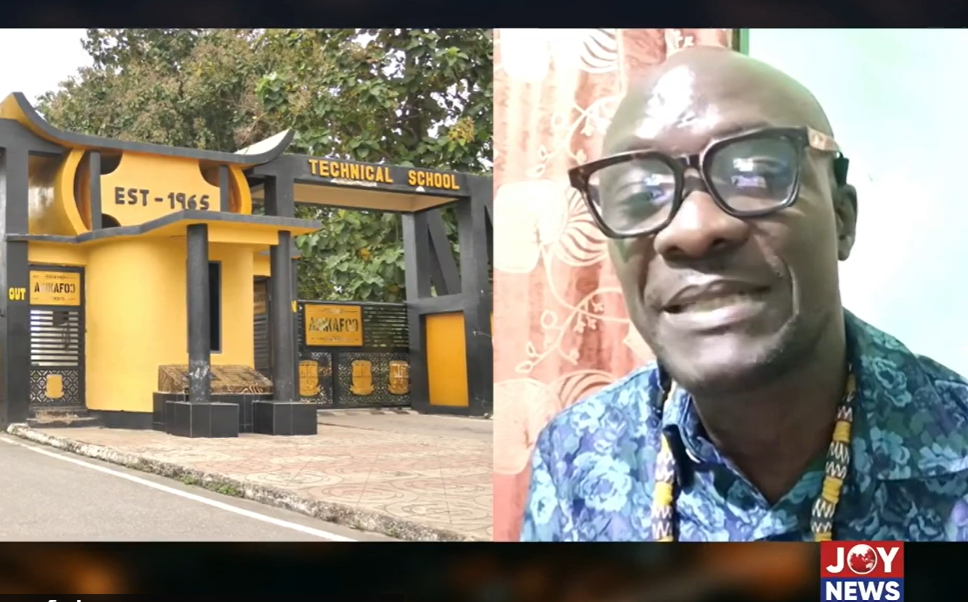

The arrest of Obuasi Senior High Technical School's headmaster has opened a stark conversation about how Ghanaian schools protect students from abuse — and a troubling discovery has emerged: many educators have no formal safeguarding training whatsoever.
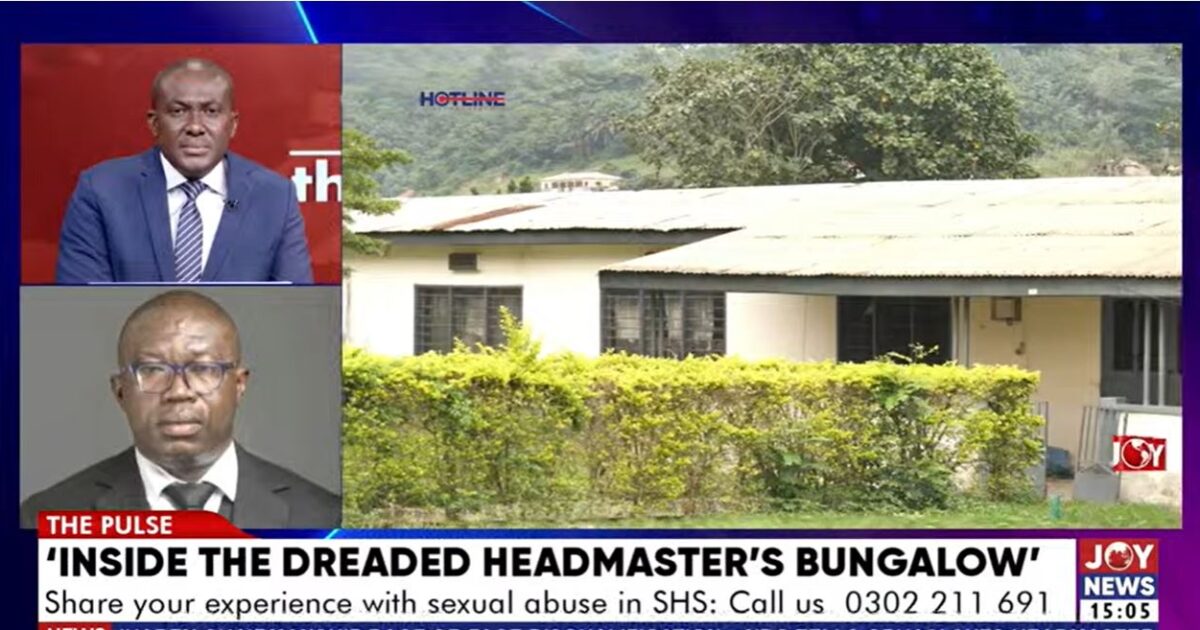
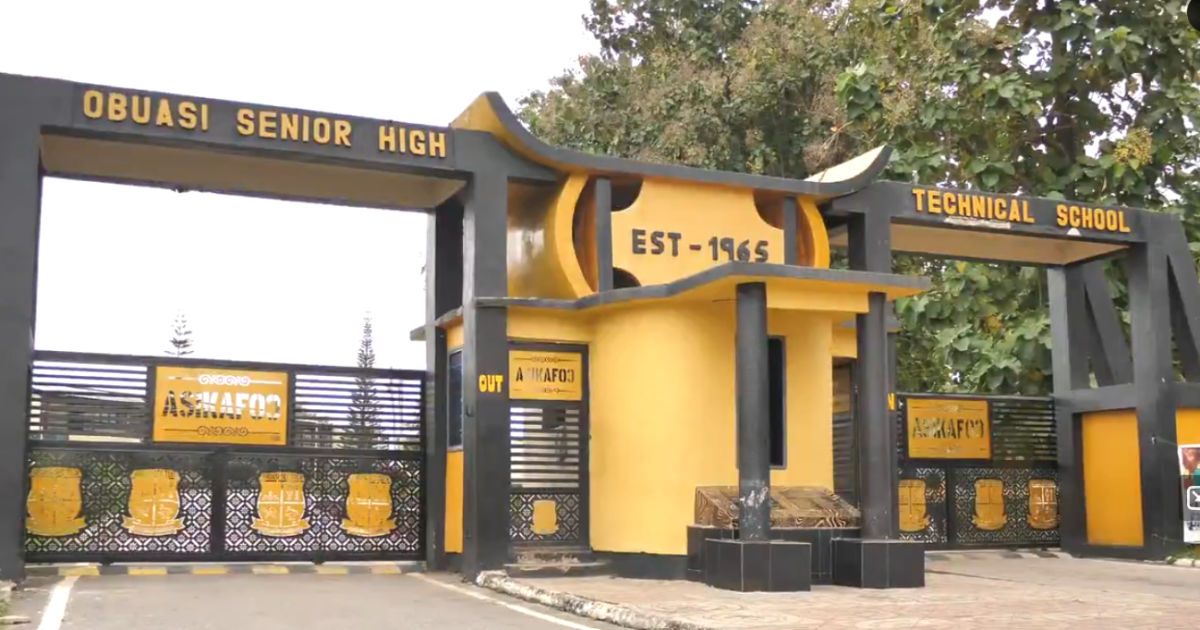
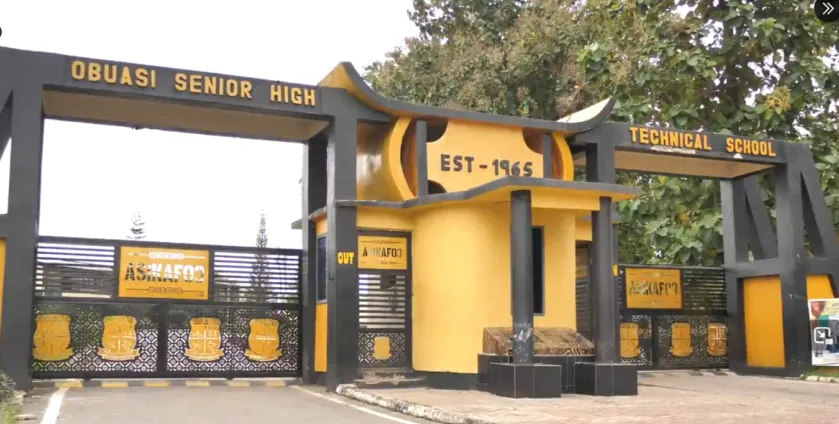
Francis Deamenu, a parent of five daughters, has become the public face of a growing parental anxiety, telling Joy News that the apparent absence of structured safeguarding protocols represents a catastrophic failure of the education system. His concern resonates across the country as investigations continue into sexual abuse allegations at the Obuasi institution, where headmaster Zakaria Abdulai has been interdicted by the Ghana Education Service and arrested by police.
"I feel highly embarrassed because looking at the kids that we have sent there, we don't actually know what is happening there," Deamenu said on PM Express, capturing the helplessness many Ghanaian parents now feel entrusting their children to schools.
The trust breach and parental responsibility
At the heart of Deamenu's critique lies a broken social contract. Parents send children to school expecting two things: academic education and character development. Teachers are expected to partner with families in this mission, but that partnership demands absolute commitment to student safety.
"We have entrusted them with the kids that are our properties," Deamenu explained, emphasising that this trust is not passive but active. Parents expect schools to maintain vigilance, implement protective systems, and respond swiftly to any sign of harm. When safeguarding training is absent, that trust becomes meaningless.
The concern extends beyond individual teachers' competence. Without formalised training, schools lack standardised procedures for identifying abuse, documenting concerns, and reporting incidents through proper channels. This creates a vacuum where misconduct can flourish undetected.
Why it matters for Ghana's education system
Ghana's education sector serves millions of students daily, yet the Obuasi case reveals a critical institutional weakness: the absence of comprehensive safeguarding frameworks. This is not an isolated problem but a systemic one affecting schools nationwide.
Formal safeguarding training equips teachers with the ability to recognise warning signs of abuse, understand their mandatory reporting obligations, and know how to support vulnerable students. It also creates a protective culture within schools where predatory behaviour becomes harder to hide. Without it, schools become places of elevated risk.
The Ghana Education Service's response—interdicting the headmaster and supporting investigations—demonstrates accountability at the top level. However, accountability means little without prevention. Thousands of teachers across the country operate without standardised safeguarding knowledge, leaving students vulnerable.
This gap also has legal and institutional implications. Schools have a duty of care to students, a principle embedded in Ghana's education policies. Failing to provide safeguarding training may constitute negligence, exposing schools and the state to liability whilst, more importantly, leaving children unprotected.
Moving forward: what needs to change
Parents and education advocates are now demanding concrete action. The minimum threshold must include:
- Mandatory, standardised safeguarding training for all teaching and non-teaching staff in schools nationwide
- Clear, written procedures for reporting suspected abuse to authorities outside school chains of command
- Regular audits of school safeguarding policies and their implementation
- Support systems for victims and trained counsellors in schools
Deamenu's public frustration reflects a broader parent movement demanding accountability. As investigations into Obuasi SHTS continue, Ghana's education system faces pressure to overhaul how it protects its most vulnerable citizens.
The question is no longer whether schools need safeguarding training—the answer is obviously yes. The question is how quickly Ghana's education authorities will act to implement it.
Source: MyJoyOnline

Comments (0)
Be the first to comment.