
Obuasi SHTS abuse scandal deepens as student allegations surge to 19
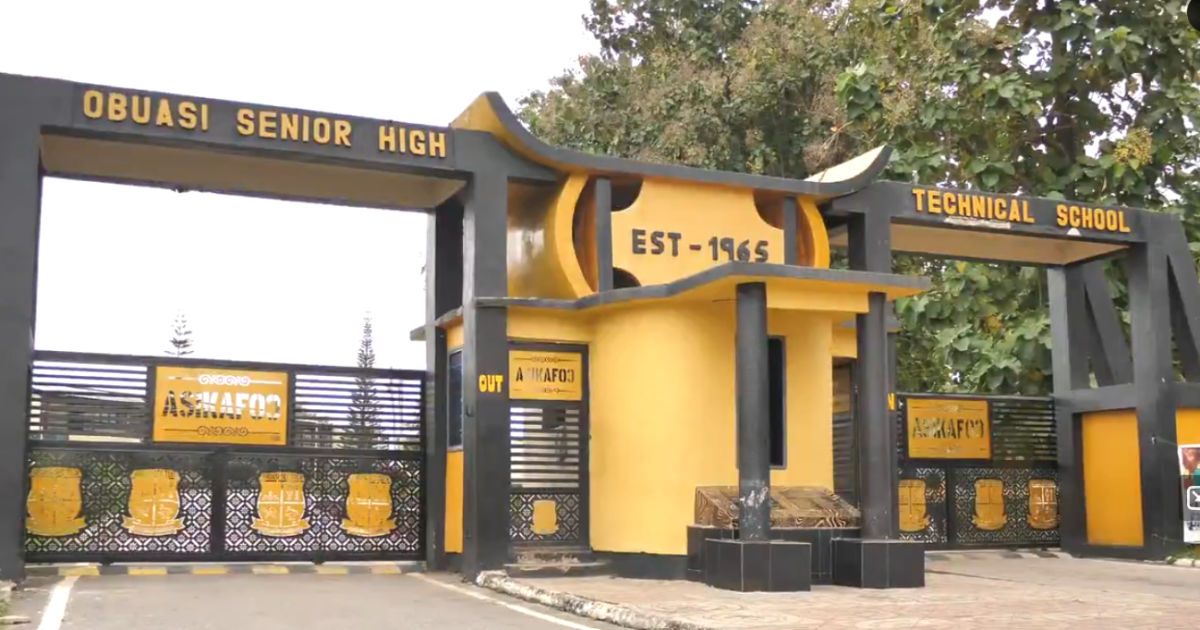

Fresh allegations of sexual abuse at Obuasi Senior High Technical School have escalated significantly, with the number of student complainants rising to 19, investigative journalist Manasseh Azure Awuni has revealed. The mounting cases paint a troubling picture of institutional vulnerability at one of Ghana's technical institutions, prompting urgent questions about student safety and oversight mechanisms in secondary schools.
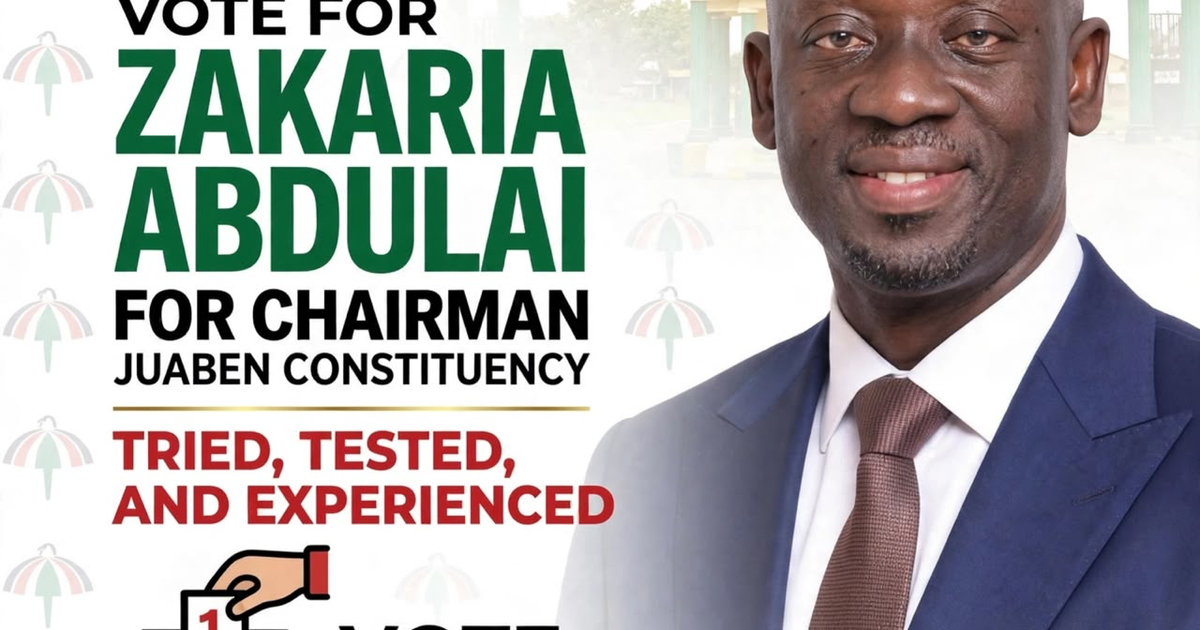
Speaking on JoyNews' The Probe programme on Sunday, October 18, Awuni disclosed that three additional students had come forward beyond the 16 cases documented during his initial investigation. The claims centre on suspended headmaster Zakaria Abdulai and represent a dramatic expansion from the five initial reports Awuni received before visiting the school.
How the investigation unfolded
Awuni's documentary, Inside the Dreaded Headmaster's Bungalow, traces the escalation of allegations as his probe deepened. His first visit to Obuasi in 2018 had involved a separate sexual assault incident involving a senior housemaster, who was subsequently dismissed. Nearly five years later, returning to investigate fresh complaints, Awuni found a similar pattern of abuse allegations, but this time implicating the school's top administrator.
The investigative process itself revealed systemic challenges. Awuni noted that some students remained reluctant to formally report their experiences, suggesting the true scale of misconduct may be considerably higher than the 19 documented cases. The apparent ease with which additional allegations emerged after his initial investigation also points to widespread awareness within the school community that such incidents had occurred without being formally addressed through official channels.
The journalist expressed particular concern about what he described as the paradox of knowledge without accountability. Community members, including figures within the National Democratic Congress political party, appeared aware of allegations against the headmaster, yet public disclosure had been limited until his documentary prompted wider attention.
Why it matters for Ghana
The Obuasi case exposes critical gaps in child protection within Ghana's secondary education system. When allegations of this magnitude emerge against a headmaster—the most senior authority figure in a school—the institutional mechanisms designed to protect students face a fundamental test. The suspension of Abdulai acknowledges the seriousness of the charges, but the pattern suggests potential failures in reporting, investigation and prevention at multiple levels.
The recurrence of abuse allegations at the same institution within a five-year window raises uncomfortable questions about whether lessons from 2018 were properly learned and implemented. School leadership, parent-teacher associations, education authorities and law enforcement must work cohesively to create environments where students feel safe reporting abuse and where suspected misconduct is immediately and rigorously investigated.
Ghana's Ministry of Education and the Ghana Education Service face mounting pressure to demonstrate that secondary schools have robust safeguarding policies, regular training for staff, accessible reporting mechanisms for students, and clear consequences for perpetrators. The Obuasi case may catalyse broader systemic reforms, but only if stakeholders commit to accountability rather than allowing institutional reputation concerns to shield alleged abusers from justice.
Next steps and investigations
The allegations against Abdulai remain under investigation. The rising number of complainants significantly strengthens any investigative case and increases the likelihood of substantive action. However, authorities must ensure that investigations are handled with sensitivity towards trauma-affected students whilst maintaining rigorous evidentiary standards.
The involvement of investigative journalism in uncovering these cases underscores a broader challenge: why formal reporting channels within education institutions sometimes fail to activate, leaving journalists to perform work that should be handled by designated school safeguarding officers and law enforcement.
Source: MyJoyOnline

Comments (0)
Be the first to comment.