
Obuasi SHTS scandal exposes systemic failures: Culture of silence enabled sexual abuse for over a year


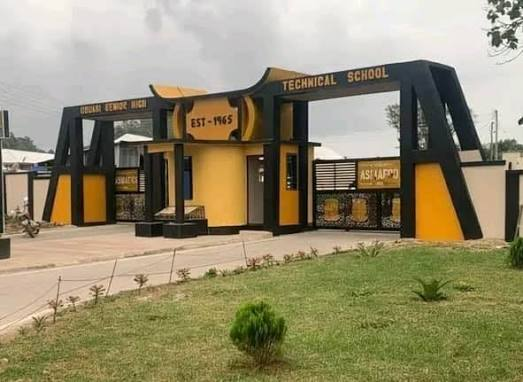
A damning revelation about institutional failure at Obuasi Senior High Technical School has ignited fresh debate about accountability and child protection in Ghana's education system. Lady Rev. Amesika Apprey, a legal expert at A-Partners@Law, has levelled serious accusations against multiple stakeholders, arguing that a pervasive culture of tolerance and inaction enabled alleged sexual abuse to persist for over a year despite repeated complaints from victims, parents and teachers.
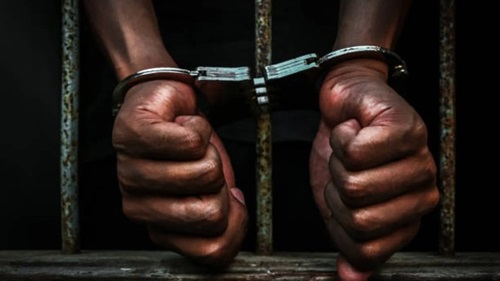
The controversy centres on suspended headmaster Zakaria Abdulai, who faced allegations of sexual harassment, assault and rape involving female students. What makes this case particularly troubling is not merely the allegations themselves, but the systematic failure of multiple authorities to act decisively once complaints emerged.
A year of complaints, no action
According to investigations by journalist Manasseh Azure Awuni, titled "Inside the Dreaded Headmaster's Bungalow," complaints and formal petitions were submitted to school management, education officials and local authorities over a period exceeding twelve months. Yet no effective intervention followed—a delay that Rev. Apprey characterises as institutional enablement.
Speaking on JoyNews' The Law programme, Rev. Apprey was unsparing in her criticism, stating that "every single person who we heard speak has had a role to play in this culture of enablement and tolerance of sexual abuse." Her comments underscore a troubling reality: that responsibility for the abuse's continuation does not rest solely with the accused headmaster, but extends to education officials, municipal authorities and other influential figures who received complaints but failed to act.
The investigation revealed that despite existing Ghana Education Service (GES) codes of conduct and legal frameworks designed to protect students and mandate staff responses to misconduct allegations, these safeguards proved ineffective. The question that now confronts the education system is why these mechanisms failed so spectacularly.
What this means for Ghana's education system
The Obuasi case exposes a critical vulnerability in Ghana's institutional architecture for child protection. Laws and policies exist on paper, yet their implementation appears haphazard and uneven. Rev. Apprey's personal reflection—noting that she herself has a teenager preparing for secondary school—captures what many Ghanaian parents now grapple with: profound anxiety about their children's safety in educational settings that should be places of learning, not exploitation.
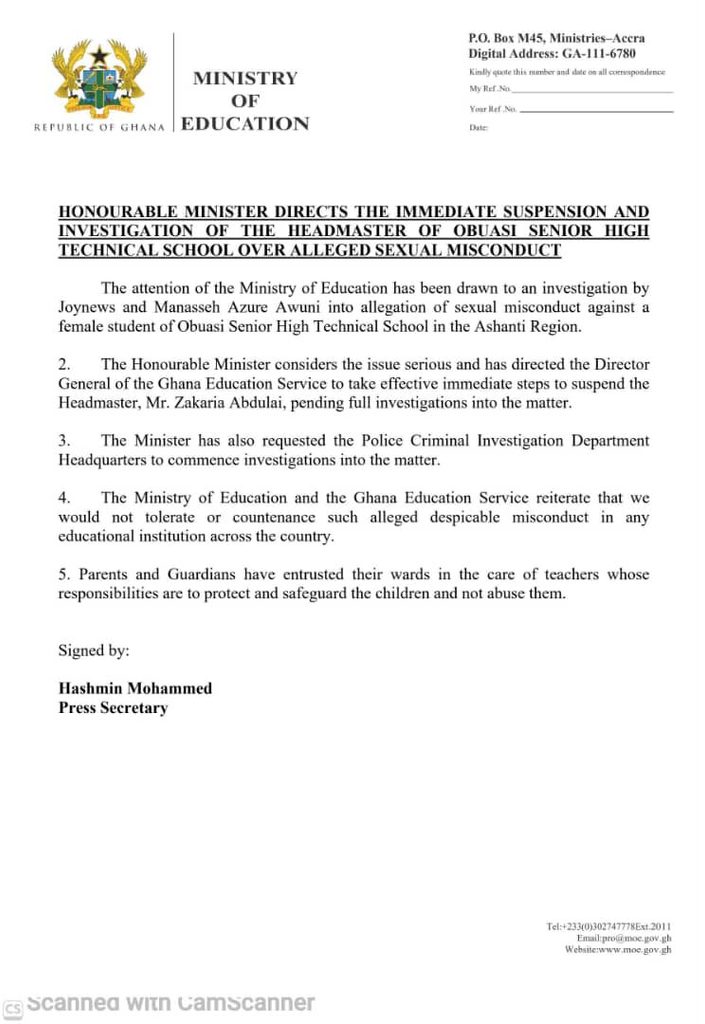
The delayed action by Education Minister Haruna Iddrisu in directing the GES to suspend Abdulai only after the investigation became public raises questions about why administrative or official channels did not trigger swift intervention when complaints first emerged. This suggests that either the reporting mechanisms are inadequate, or there exists a troubling reluctance among officials to act on such allegations promptly.
For Ghana's education sector, this scandal demands immediate systemic reform. Schools require robust, independent complaint mechanisms that bypass traditional hierarchies. Education officials must be held accountable for timeliness and transparency in investigating allegations. And critically, a cultural shift is needed—one that prioritises student safety over institutional reputation or personal connections.
The road forward
The suspension of Abdulai represents a necessary but belated step. What Ghana's education system now needs is a comprehensive review of how allegations of sexual abuse are reported, investigated and acted upon across all schools. Training for staff, clear protocols, and zero-tolerance enforcement are essential. Most importantly, students must know they can report abuse without fear, and that authorities will respond swiftly and seriously.
Rev. Apprey's call for accountability serves as a reminder that protecting Ghana's children requires vigilance not just from headmasters and teachers, but from every official and stakeholder entrusted with their welfare. Until that culture shifts, cases like Obuasi will continue to haunt the nation's conscience.
Source: MyJoyOnline


Comments (0)
Be the first to comment.