
Ghana's Education System Admits Failures in Sex Abuse Cases, Deputy Minister Says


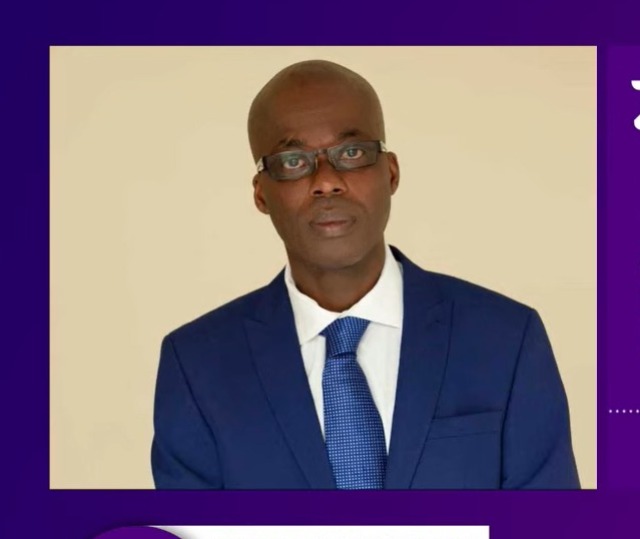
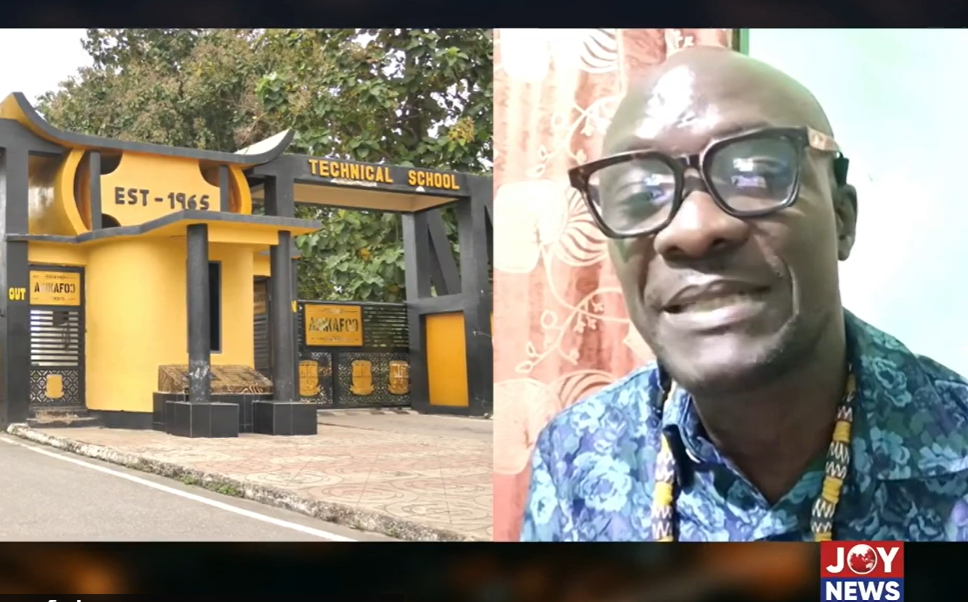
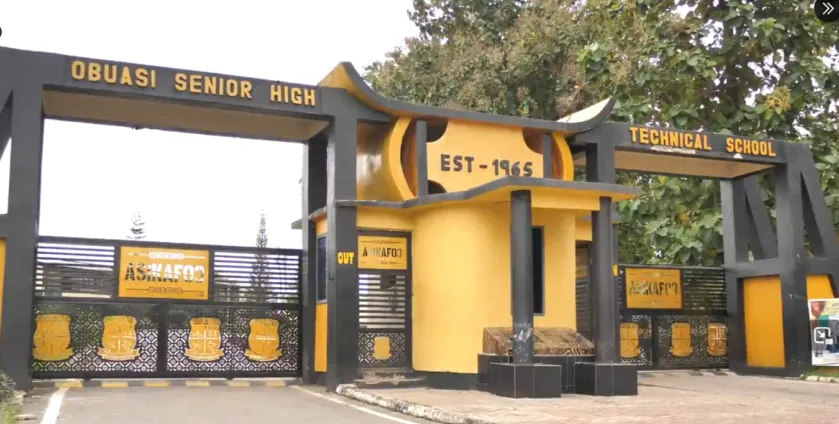
Ghana's Deputy Education Minister Dr. Clement Abas Apaak has publicly acknowledged that the Ghana Education Service (GES) reporting structure has failed to adequately handle sexual abuse cases, a damning admission that comes in the wake of a significant scandal at Obuasi Senior High Technical School and the suspension of multiple regional directors.
The minister's candid assessment signals growing concerns about institutional accountability and safeguarding failures within Ghana's education system. The Obuasi SHTS incident appears to have served as a catalyst for this institutional review, exposing systemic gaps in how allegations of sexual misconduct are reported, investigated and acted upon across the service.
The Obuasi Scandal and Its Fallout
The Obuasi Senior High Technical School case has emerged as a focal point in discussions about sexual abuse within educational institutions. The scandal prompted the suspension of regional directors, suggesting that accountability extends beyond individual perpetrators to questions about supervisory oversight and institutional response mechanisms. These suspensions indicate the GES recognises that failures went beyond isolated incidents to reflect broader management and oversight issues.
The deputy minister's acknowledgement that the reporting structure itself is deficient points to a more systemic problem: that students and staff members may lack clear, safe and effective channels to report abuse, or that reported cases are not being properly escalated and investigated through existing hierarchies.
Why This Matters for Ghana
Sexual abuse in schools represents a serious violation of students' safety and educational rights. For Ghana, where education is viewed as central to national development and social progress, institutional failures in protecting vulnerable young people undermine public trust in the education system and raise questions about the wellbeing of thousands of students across the country.
The significance of the deputy minister's statement extends beyond acknowledgement to expectations that it will trigger concrete reforms. Key areas likely requiring attention include:
- Establishing clearer, more accessible reporting channels that protect complainants from intimidation or retaliation
- Ensuring proper investigation protocols and timely action on reported cases
- Strengthening training for teachers, administrators and staff on recognising and responding to abuse
- Improving oversight and accountability mechanisms at regional and national levels
For parents and guardians, this admission may fuel anxiety about whether current institutional structures sufficiently protect their children. It also raises broader questions about GES capacity and resource allocation, particularly in regions where oversight has proved inadequate.
What Comes Next
The deputy minister's public acknowledgement is a necessary first step, but Ghanaians will now scrutinise what concrete measures follow. The education sector and government must demonstrate commitment to reforming reporting mechanisms, not merely through policy statements but through demonstrable action, transparent investigation outcomes and measurable improvements in safeguarding protocols.
The suspensions of regional directors suggest some accountability is being pursued, but sustained institutional reform will require coordinated effort across multiple levels of the GES, adequate funding, and political will to enforce standards consistently across all regions and institutions.
Source: 3News


Comments (0)
Be the first to comment.