
GMet Warns El Niño Could Bring Dust, Drought and Bushfires to Ghana Early Next Year

Ghana faces a potentially difficult start to 2024 as the Ghana Meteorological Agency (GMet) has warned that El Niño conditions expected to persist between January and March could trigger a cascade of environmental and public health challenges — from worsening dust pollution and reduced rainfall to heightened bushfire risks and threats to the country's food and energy security.
What GMet is forecasting
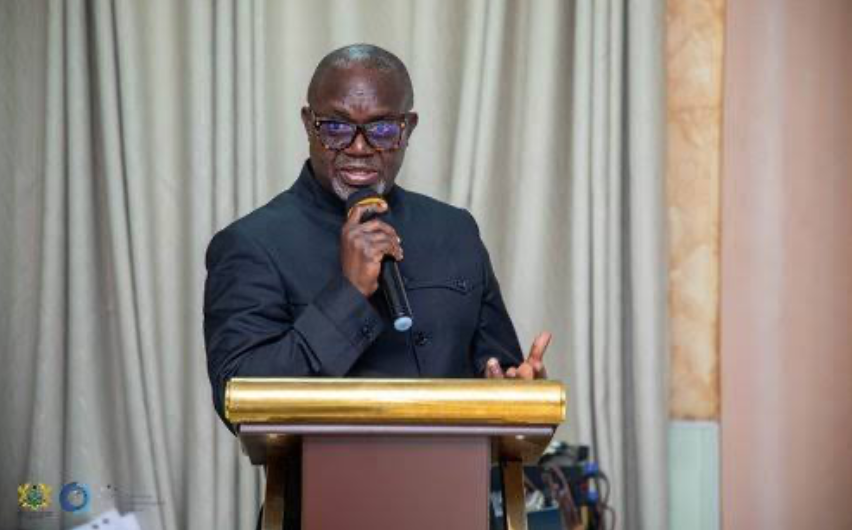
The Director-General of GMet, Dr Eric Asuman, told the Ghana News Agency that forecasts show more than 80 per cent confidence that El Niño conditions will persist during the first quarter of next year. El Niño — the warm phase of the El Niño-Southern Oscillation (ENSO) — is driven by unusually warm sea-surface temperatures in the central and eastern equatorial Pacific Ocean, and its effects ripple across global weather patterns, including those over West Africa.
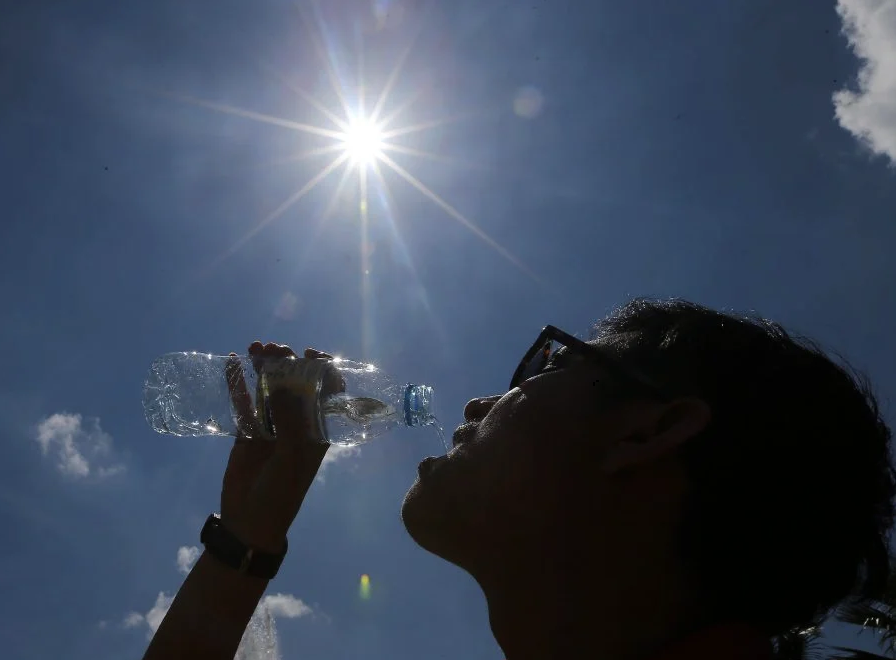
In Ghana's case, the agency expects the phenomenon to prolong dry spells and intensify dusty harmattan conditions, raising the concentration of airborne particles that Ghanaians breathe. Dr Asuman warned that prolonged exposure to dusty air could aggravate respiratory illnesses and other health conditions, particularly among vulnerable groups such as children, the elderly and those already living with chronic conditions. He called on public health authorities to begin precautionary measures and ramp up public awareness campaigns ahead of the dry period.
Crucially, Dr Asuman stressed that the forecast does not mean Ghana will receive no rainfall at all — some areas could still experience heavy downpours over short periods — but that overall conditions are expected to be significantly drier than normal.
Why it matters for Ghana
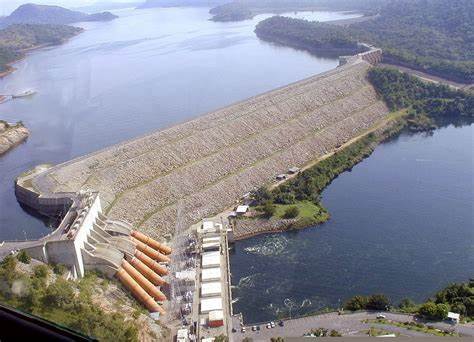
The implications stretch well beyond air quality. Reduced rainfall during this period could place serious pressure on the country's water bodies, affecting hydroelectric power generation at a time when Ghana continues to manage its energy sector carefully. It could also reduce water availability for farming communities and urban households alike.
Perhaps most alarming is the bushfire risk. Dr Asuman drew a sobering historical parallel, referencing the devastating bushfires of 1982 and 1983, which destroyed vast tracts of vegetation and food crops and contributed to widespread food shortages across the country. He urged all stakeholders — farmers, local authorities, and national agencies — to take active steps to prevent history from repeating itself.
The forecast, which was issued in October and shared with policymakers, the media and the public, has already prompted some institutional responses. The Ministry of Food and Agriculture has invited GMet to present the forecast to its officials and indicated plans to establish a dedicated task force to monitor developments and consider protective measures for farmers.
Preparedness measures being put in place
The government has also established an early warning subcommittee — of which GMet is a member — aimed at strengthening the use of weather intelligence in disaster preparedness. Under this arrangement, GMet provides hourly forecasts for Accra and issues alerts when projected rainfall exceeds set thresholds, allowing the National Disaster Management Organisation (NADMO) to send targeted warnings to at-risk communities.
In a further boost to Ghana's weather monitoring capacity, Dr Asuman disclosed that installation of a new weather radar — which had been held in storage for nearly two years — is now underway. Once operational, the radar is expected to significantly improve the accuracy and reliability of weather data, forecasts and early warnings, including alerts for heavy rainfall and flooding events.
- Health sector: Public health authorities have been urged to prepare for a rise in respiratory cases linked to dust exposure.
- Agriculture: Farmers are being advised to plan for reduced rainfall and an elevated risk of bushfires destroying crops and farmland.
- Energy: Lower water levels in reservoirs could affect hydroelectric power generation, adding pressure to the national grid.
Dr Asuman's overarching message was clear: early, coordinated action across health, agriculture, energy, disaster management and national security is essential if Ghana is to minimise the impact of what could be a challenging few months ahead.
Source: MyJoyOnline


Comments (0)
Be the first to comment.