
Ghana Faces Serious Climate Threat as FAO and Partners Launch El Niño Preparedness Drive


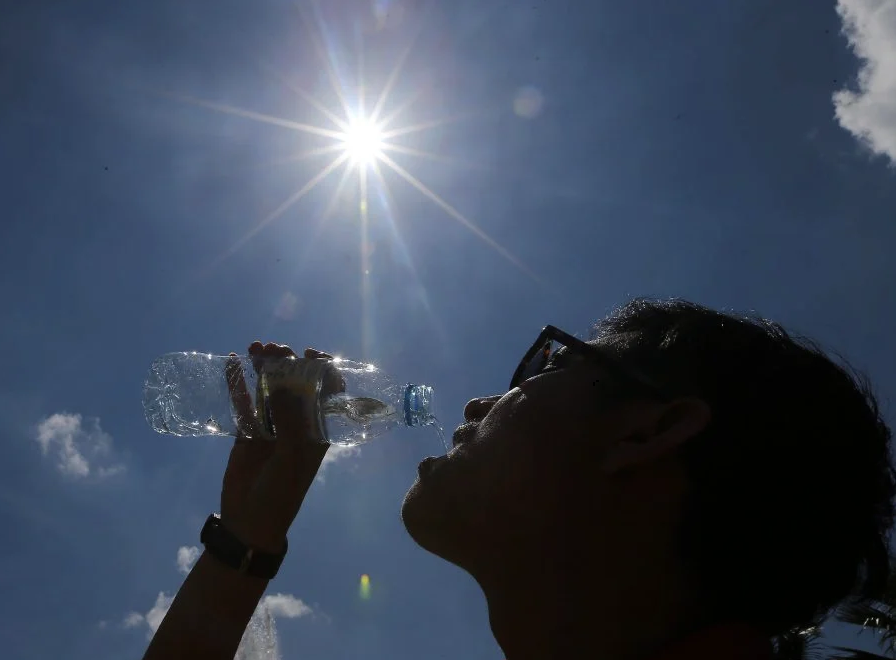
Ghana is bracing for a potentially damaging El Niño weather event that could batter the country's agriculture, water resources and rural livelihoods from November 2026 into the first half of 2027. The Food and Agriculture Organisation of the United Nations (FAO) has announced a coordinated intervention with key Ghanaian institutions to build resilience before the worst effects take hold.
What is happening and who is involved?
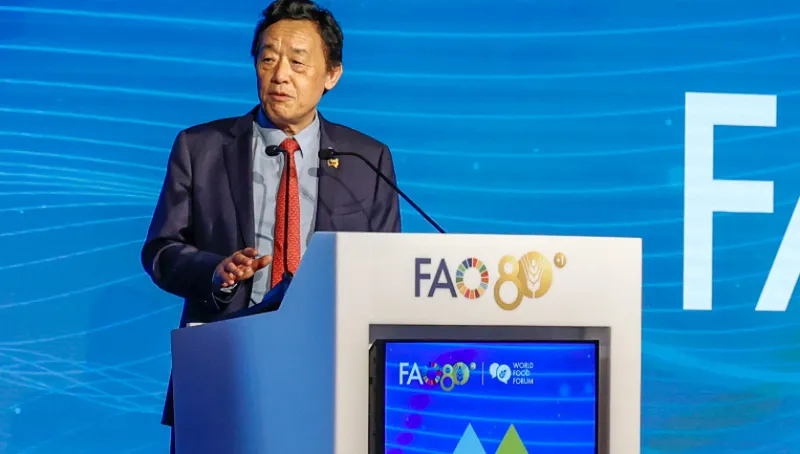
The Ghana Meteorological Agency (GMet) has raised the alarm over a developing El Niño event that is expected to bring prolonged dry spells, erratic rainfall and persistently higher temperatures to Ghana over the stated period. In response, the FAO — with financial backing from the governments of Canada and Norway — is pulling together a broad coalition of partners including GMet, the National Disaster Management Organisation (NADMO), the Ministry of Food and Agriculture (MoFA), District Assemblies and local communities across the country.
The initiative is designed to shift Ghana's approach away from reacting to climate disasters after they strike and towards anticipating and managing risks before they escalate into full-blown crises. A central part of this effort involves the development of a National Disaster Risk Reduction Strategy and Action Plan, as well as a National Early Warning and Anticipatory Action Stakeholder Platform — both being crafted in collaboration with NADMO.
Partners are also working to improve how climate information is communicated and used at the community level. This includes distributing weekly weather forecasts, seasonal climate outlooks, hazard alerts and early action advisories in formats that ordinary Ghanaians — particularly farmers — can understand and act upon promptly.
Why it matters for Ghana
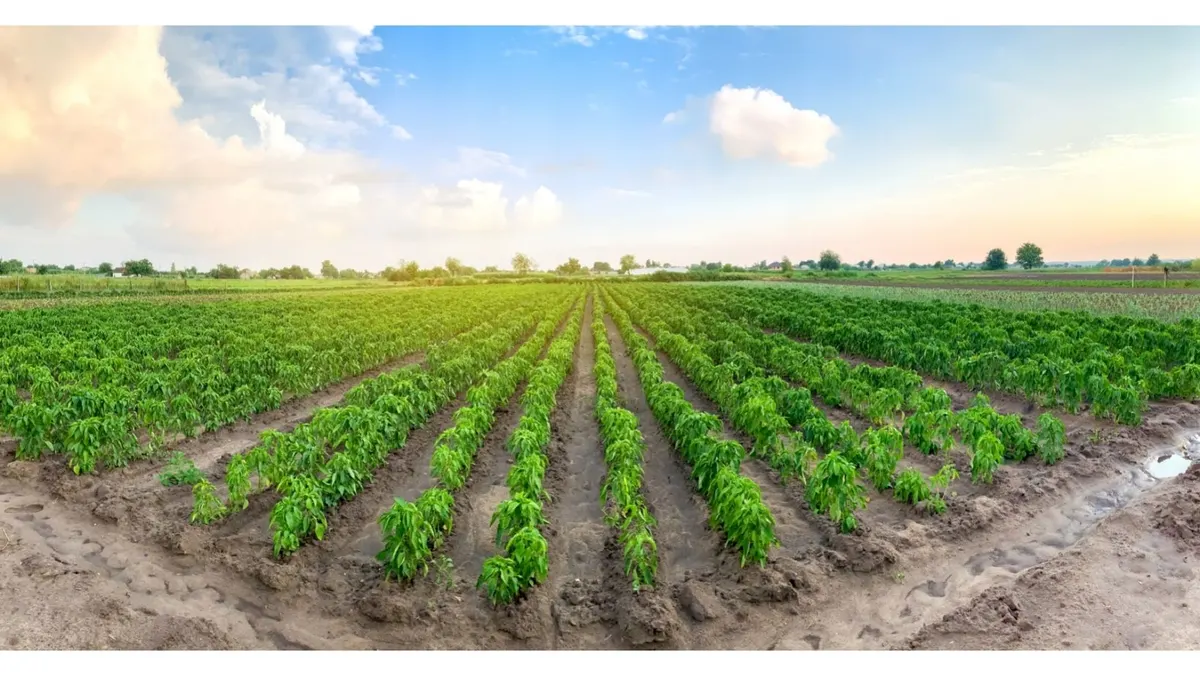
Ghana's economy remains heavily tied to agriculture, which employs a significant portion of the population, particularly in the northern regions. Any sustained disruption to rainfall patterns or a prolonged period of heat stress could devastate crop yields, reduce water availability for both irrigation and domestic use, and push already vulnerable farming households deeper into food insecurity.
El Niño is a naturally occurring climate pattern involving the warming of surface waters in the central and eastern Pacific Ocean. Its effects, however, are felt globally — and for West Africa, historical El Niño events have frequently been associated with below-average rainfall, especially across the Sahel and savannah zones that cover much of northern Ghana. If the current forecasts hold, communities in areas such as the Upper East, Upper West and Northern regions could be among the hardest hit.
The FAO's statement stressed that for farming communities, acting on early climate information could mean adjusting planting schedules based on rainfall forecasts, protecting livestock during periods of heat or water stress, and securing water resources ahead of dry spells — practical steps that can make the difference between a manageable season and a catastrophic one.
What to expect by 2027
By the end of the intervention period in 2027, the FAO and its partners aim to have delivered measurable improvements across several fronts: stronger disaster risk governance at the national level, better-prepared communities, reduced losses and damage from climate-related events, and more capable institutions that can consistently anticipate and respond to future climate risks.
The two newly established coordination mechanisms — the national strategy and the early warning platform — are expected to close the gap between institutions that generate climate data and the communities that need to act on it. Improved coordination among GMet, NADMO, MoFA and local government bodies should mean that life-saving information reaches the right people at the right time.
- Ghana's farming communities in the north face the greatest exposure to El Niño-driven dry spells and heat stress.
- The initiative represents a broader shift in Ghana's climate policy from reactive disaster response to proactive risk management.
- Stronger early warning systems could also serve as a template for future climate resilience efforts across the West African sub-region.
Officials and development partners alike have emphasised that protecting Ghana from climate shocks is not merely an environmental concern — it is a matter of food security, economic stability and the welfare of millions of Ghanaians whose lives depend on a reliable agricultural season.
Source: The Ghanaian Times

.jpg)
Comments (0)
Be the first to comment.