
GMet Issues Major El Niño Warning: Ghana Faces Hotter Temperatures, Bushfires and Meningitis Risk Into 2027

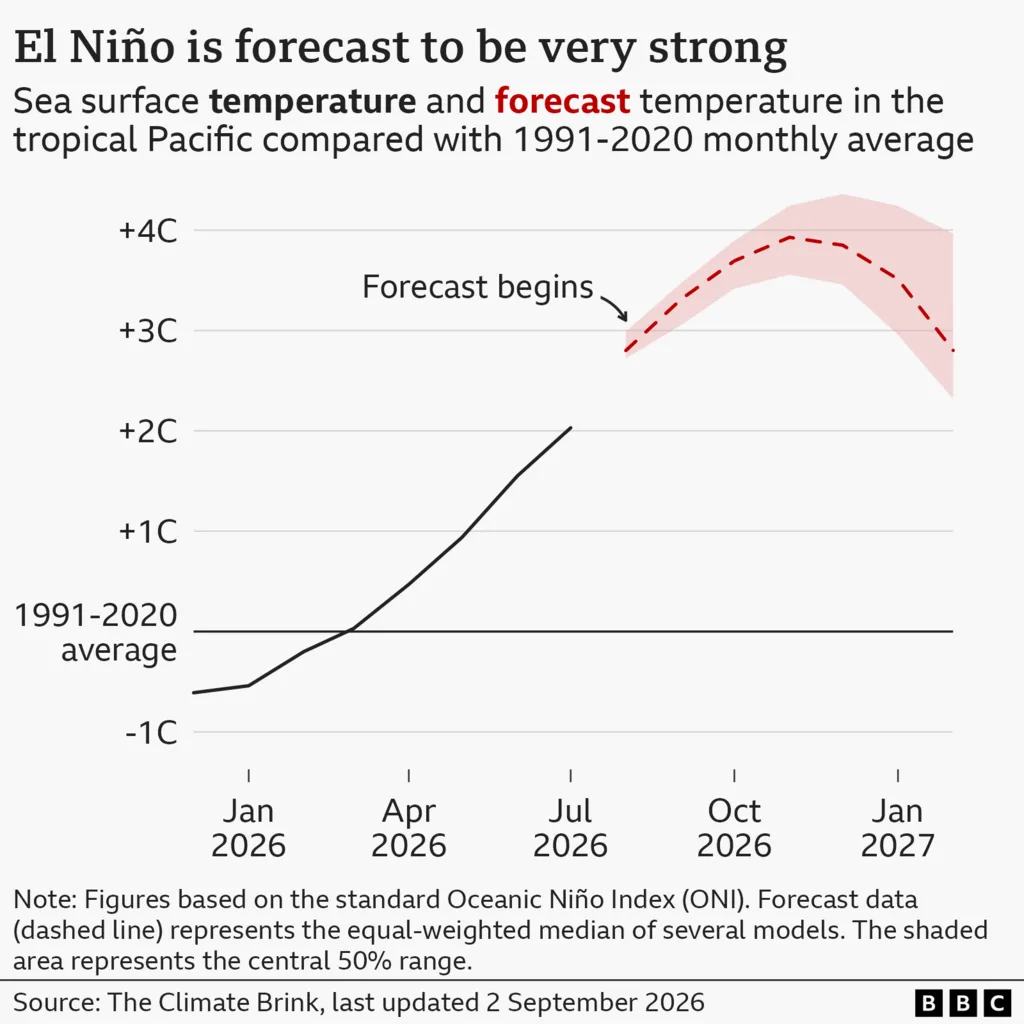
Ghanaians should brace for a significantly hotter and drier period ahead, with the Ghana Meteorological Agency (GMet) issuing a comprehensive warning about the impact of a very strong El Niño event currently developing in the Pacific Ocean. The Agency says the phenomenon is likely to influence Ghana's weather well into the first half of 2027, raising serious concerns for agriculture, public health, water supply and energy generation across the country.
What El Niño means for Ghana's weather
El Niño is a natural and periodic warming of the central and eastern Pacific Ocean that disrupts normal weather patterns across the globe, including West Africa. GMet says its monitoring systems, working alongside leading international bodies — the US National Oceanic and Atmospheric Administration (NOAA), the International Research Institute for Climate and Society (IRI) and the World Meteorological Organisation (WMO) — all confirm the event is intensifying. It is expected to peak between now and January 2027, before gradually weakening in the months that follow.
The Agency is forecasting below-normal rainfall across most parts of Ghana, with a dry season running from late November 2026 through to March 2027 that is expected to be hotter, dustier and more prolonged than usual. Warmer-than-average temperatures will affect most of the country, though some areas — including the south-west and parts of the Volta Region between Ho and Kete Krachi — may experience slightly cooler conditions. Notably, certain areas including inland parts of Greater Accra and the Central Region, south-western parts of the Volta and Eastern regions, and portions of the Bono, Savannah and Upper West regions could still record above-normal rainfall despite the general trend.
Despite the overall dry outlook, GMet has cautioned communities in flood-prone areas and along the Volta River not to drop their guard. Short but intense downpours and localised flooding remain a possibility, and residents are urged to keep following safety advisories from the National Disaster Management Organisation (NADMO) and the Volta River Authority (VRA).
Why it matters for Ghana
Ghana is no stranger to the damaging effects of El Niño. The country has experienced severe impacts during previous strong episodes — most notably in 1982/83, 1997/98 and 2015/16 — as well as a moderate event in 2023/24. These episodes have historically caused significant disruptions to rainfall patterns, with knock-on effects for food production, hydroelectric power generation at the Akosombo Dam, water resource management and public health.
The current forecast carries several urgent implications. Farmers across the country face the prospect of poor harvests if they do not adapt their practices, and GMet has specifically advised them to consult weather updates and agricultural bulletins from both the Agency and the Ministry of Food and Agriculture before making planting decisions. Early-maturing and drought-tolerant crop varieties are being recommended where feasible, and bush burning has been strongly discouraged given the elevated risk of devastating bushfires during the dry season.
The public health dimension is equally pressing. Northern Ghana — already one of the country's most climate-vulnerable regions — faces a heightened seasonal risk of meningitis, a bacterial infection spread more easily during hot, dry and dusty conditions. GMet has urged residents in the north to limit their exposure to dust and to seek immediate medical attention if they experience symptoms such as fever, a severe headache or a stiff neck. The period from February to April 2027 is projected to record the highest heat stress, particularly in the north.
What authorities and the public should do now
GMet says it will monitor the El Niño event on a daily basis and release updated outlooks as conditions change, alongside its regular ten-day agricultural bulletins. It is also coordinating with stakeholders across disaster risk management, energy, agriculture, water resources, health, local government, transport, minerals and maritime sectors to ensure forecasts are translated into practical, location-specific action.
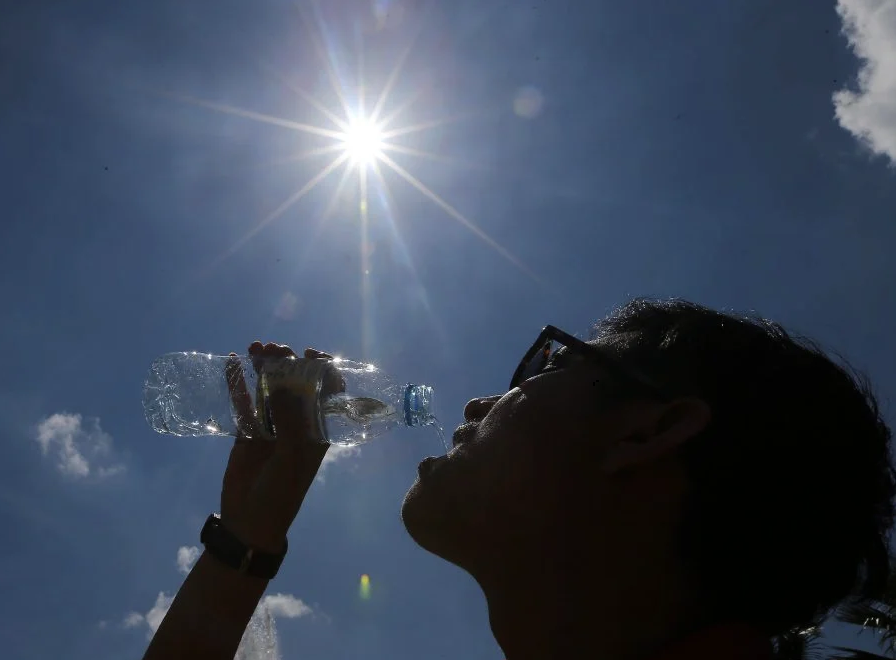
For the general public, the Agency's advice is straightforward: drink enough water during hot periods, avoid strenuous outdoor activity during the hottest parts of the day, and check on elderly relatives, young children and anyone who is unwell. Households and communities are also being urged to conserve water and to rely only on official sources — not social media rumours — for weather guidance.
- Stay informed: Follow GMet's official bulletins and NADMO advisories regularly.
- Farmers: Seek agricultural guidance before planting and consider drought-resilient crops.
- Northern residents: Protect yourself from dust and act quickly if meningitis symptoms appear.
Source: MyJoyOnline

Comments (0)
Be the first to comment.