
Ghana braces for El Niño disruption: what extreme weather means for West Africa
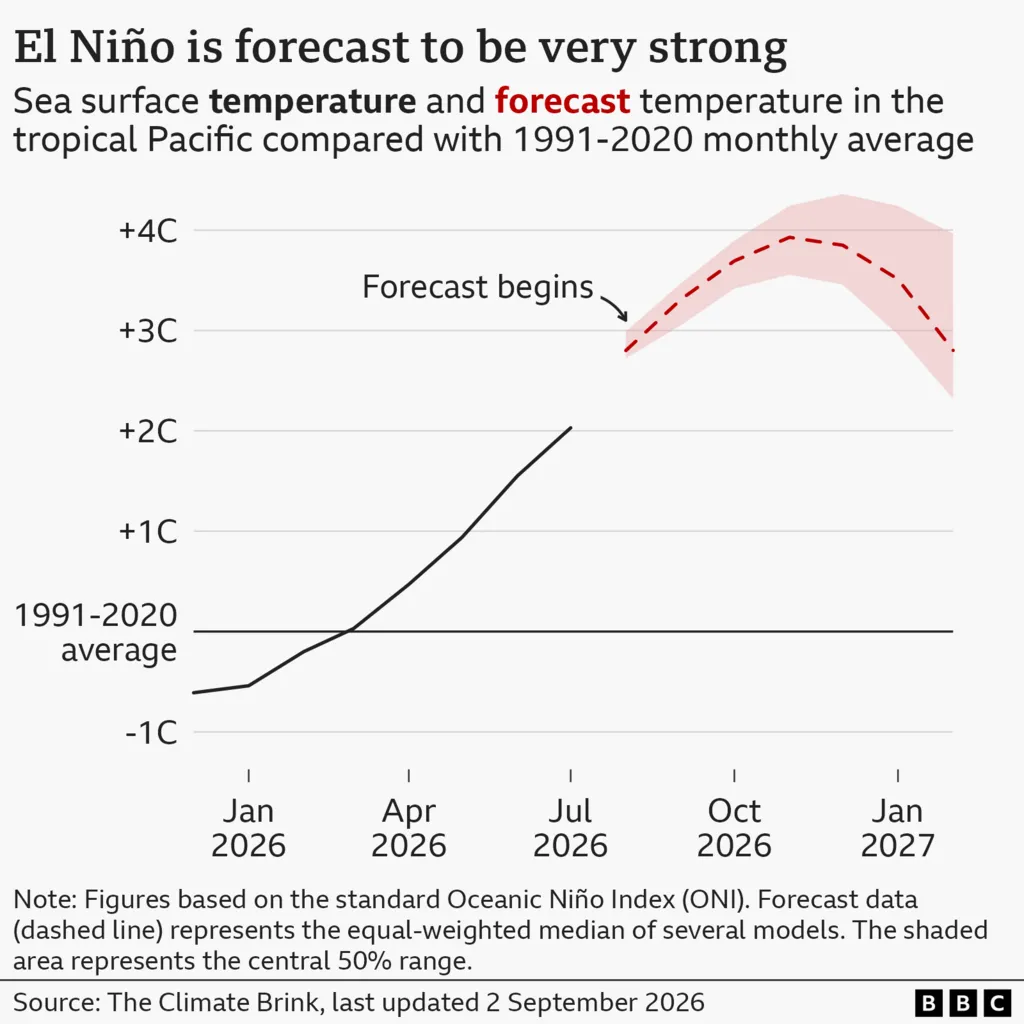

The United Nations has sounded a stark warning that the world is entering a critical period of climate instability, with a potentially record-breaking El Niño phenomenon set to reshape weather patterns across Africa and beyond until at least February 2027. UN Secretary-General António Guterres described the event as a "danger zone of extreme weather," while the World Meteorological Organization (WMO) has confirmed this could be the strongest El Niño in over 70 years, with surface temperatures in the central Pacific already reaching up to 4°C above historical averages.
For Ghana and West Africa, this outlook demands urgent attention. El Niño typically disrupts rainfall patterns across the region, creating a complex mix of drought conditions in some areas whilst triggering flooding and severe weather in others. Ghana's economy, heavily dependent on agriculture and hydroelectric power generation, faces potential strain during the coming months.
What El Niño means for Ghana and West Africa
El Niño is a natural climate phenomenon originating in the Pacific Ocean, caused by changes in wind patterns that allow warm water to spread eastwards, releasing significant heat into the atmosphere. This year's version is projected to be exceptional in scale, with subsurface Pacific temperatures in some locations exceeding 8°C above normal levels.
For Ghana and neighbouring West African nations, historical El Niño events have produced unpredictable rainfall, sometimes bringing prolonged dry spells that damage crop yields, or conversely, triggering intense rains and flooding that destroy infrastructure and displace communities. The agricultural sector—which employs millions across the region and underpins food security—is particularly vulnerable. Reduced rainfall could lower water levels in dams that feed Ghana's hydroelectric plants, potentially constraining electricity supply during peak demand periods.
The WMO and international partners are working to strengthen early warning systems globally, recognising that vulnerable populations in developing nations often bear the heaviest burden of extreme weather. Ghana's meteorological services will need to intensify monitoring and communication with farmers, water utilities and disaster management agencies to prepare communities.
Global ripple effects and trade implications
Beyond Africa, the El Niño is already triggering concrete economic disruptions. The Panama Canal—a critical artery for global shipping—is reducing vessel traffic by over 10% due to anticipated lower rainfall affecting water levels. This slowdown will reverberate through global supply chains, including those serving Ghana and West Africa. Shipping costs are likely to rise, affecting import prices for fuel, machinery, pharmaceuticals and consumer goods.
Southeast Asia is bracing for severe drought and wildfires. Indonesia has already reported over 107,000 hectares burned this season. South America is also forecast to experience drier conditions, threatening agricultural production in key commodity-exporting nations. These global disruptions—combined with climate change already warming the planet—create a "supersized" crisis that demands coordinated international response.
What Ghana must do now
Experts emphasise the critical importance of early warning systems and pre-emptive action. Australia has recently implemented marine heatwave forecasting and emergency relief mechanisms for affected fisheries—a model other nations are studying. Ghana should prioritise:
- Strengthening meteorological forecasting capacity and public communication of seasonal outlook
- Coordinating with water and energy utilities to prepare for potential supply constraints
- Supporting farmers with drought-resistant crop varieties and irrigation guidance
- Ensuring disaster preparedness plans account for potential flooding or drought in different regions
- Monitoring global commodity and shipping markets to anticipate price movements
WMO Secretary-General Celeste Saulo warned that "El Niño has the potential to deliver a massive blow to communities and economies across the world." For Ghana, proactive planning and regional cooperation with other ECOWAS nations could significantly reduce the impact on vulnerable populations and economic stability.
Source: MyJoyOnline



Comments (0)
Be the first to comment.