
Mahama unveils $10bn New Economy Programme to transform Ghana into West Africa's manufacturing powerhouse
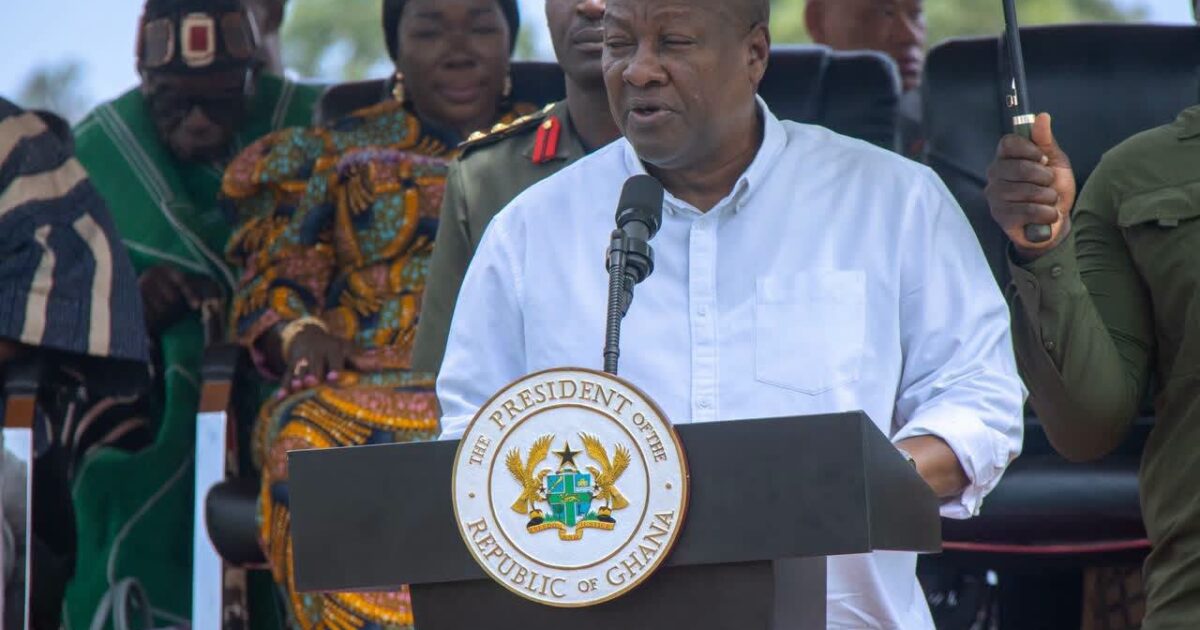
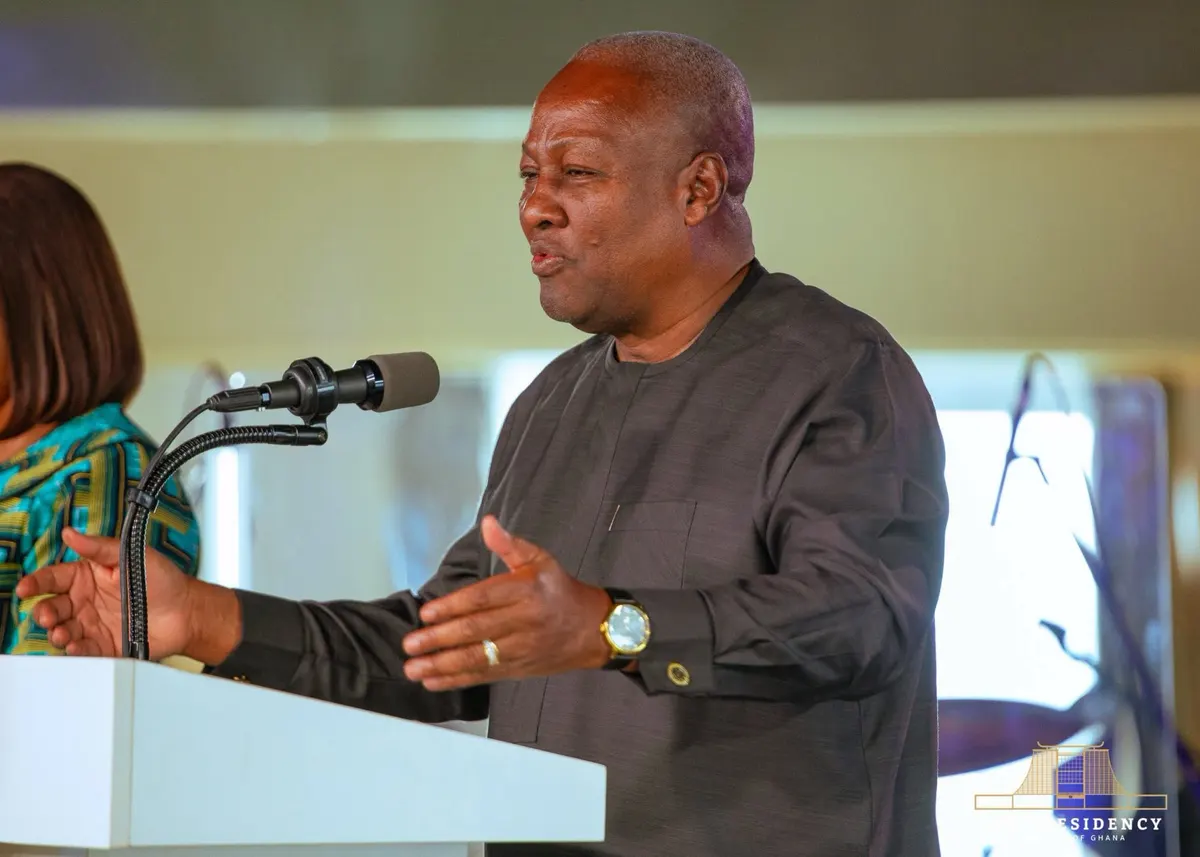
President John Dramani Mahama has announced an ambitious $10 billion New Economy Programme designed to position Ghana as a manufacturing and logistics hub for West Africa, with $2 billion allocated annually over four years to drive industrialisation, boost domestic production and create jobs across key sectors.
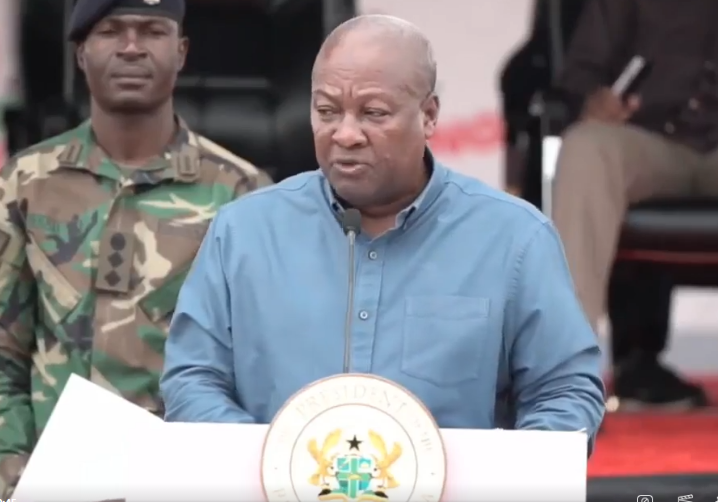
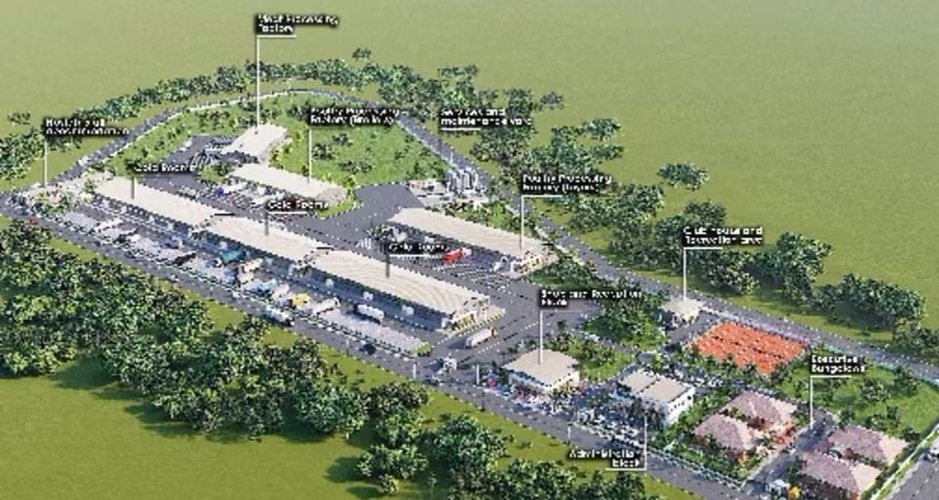
The announcement came during the sod-cutting ceremony for the Afienya Industrial Park on Thursday, 15 October 2026, signalling the government's commitment to expanding Ghana's industrial base and attracting foreign investment to the country.
Breaking down the investment strategy
The New Economy Programme divides its funding strategically across productive sectors. Agriculture and agro-processing will receive half of the total investment, reflecting the government's focus on value addition in Ghana's traditional strength. The remaining funds will support manufacturing industries and the critical infrastructure needed to link producers with markets, both domestically and regionally.
The initiative aims to strengthen local production capacity, expand economic opportunities for Ghanaian businesses and entrepreneurs, and establish Ghana as a competitive regional industrial centre. By channelling resources into these interconnected areas, the programme seeks to create a virtuous cycle where agricultural output feeds into processing industries, which in turn creates demand for logistics and transport infrastructure.
Afienya Industrial Park and strategic land development
The Afienya Industrial Park represents a crucial component of this strategy. According to President Mahama, the new facility addresses a pressing constraint: limited available space at the existing Tema Export Processing Zone to accommodate growing investor demand. The park's development responds directly to increasing international business interest in Ghana and the need for expanded industrial zones.
Minister for Trade, Agribusiness and Industry Elizabeth Ofosu-Adjare emphasised a critical but often overlooked factor in industrial development: access to land free from legal disputes. Drawing on her 22 years of legal experience, she highlighted that cooperation from traditional authorities and local communities has been essential to securing suitable land for the project. Ofosu-Adjare noted that undisputed land access is vital for businesses establishing factories, expanding operations and avoiding costly legal delays that can deter investment.
Why it matters for Ghana
This programme addresses fundamental challenges facing Ghana's economy. Despite the country's significant agricultural resources and strategic location in West Africa, production remains largely unprocessed, limiting value creation and employment. Industrial capacity has lagged behind demand, forcing Ghana to rely on imports for manufactured goods that could be produced domestically.
The $10 billion commitment signals a shift towards productive investment rather than consumption-focused spending. If successfully implemented, the programme could transform Ghana's economic structure by creating a diversified industrial base, attracting multinational manufacturers to establish regional headquarters or production facilities, and positioning Ghanaian workers and businesses in higher-value supply chains.
For workers, the initiative promises job creation across agriculture, processing, manufacturing and logistics. For entrepreneurs, improved infrastructure and industrial zones provide platforms to scale operations. For the broader economy, industrialisation could improve export competitiveness, generate foreign exchange and reduce the import bill.
The emphasis on resolving land disputes also signals the government's awareness that investor confidence depends on secure property rights and predictable business environments—factors that have historically hampered development projects in Ghana. Success will require sustained coordination between government agencies, traditional leaders and local communities to maintain momentum beyond the announcement phase.
Source: MyJoyOnline

Comments (0)
Be the first to comment.