
Ghana to revive Volta Star Textile factory with Benin cotton supply and strategic investor
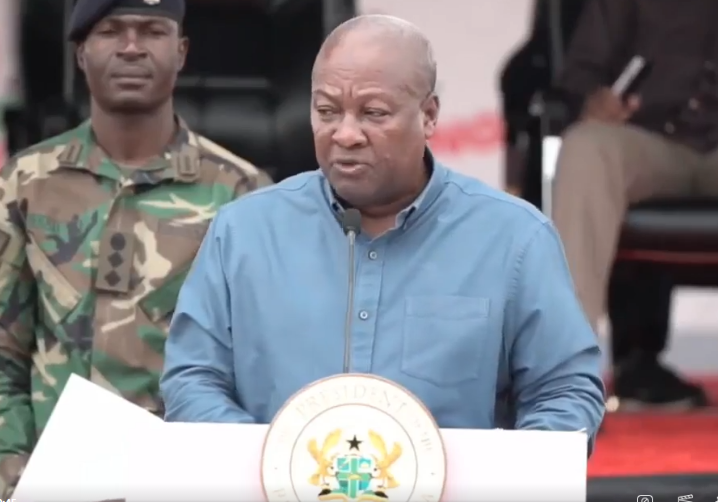
President John Dramani Mahama has unveiled a multi-pronged strategy to breathe life back into Volta Star Textile Limited, the long-dormant manufacturing facility in Juapong, by securing cotton imports from neighbouring Benin and attracting a strategic investor to modernise operations.
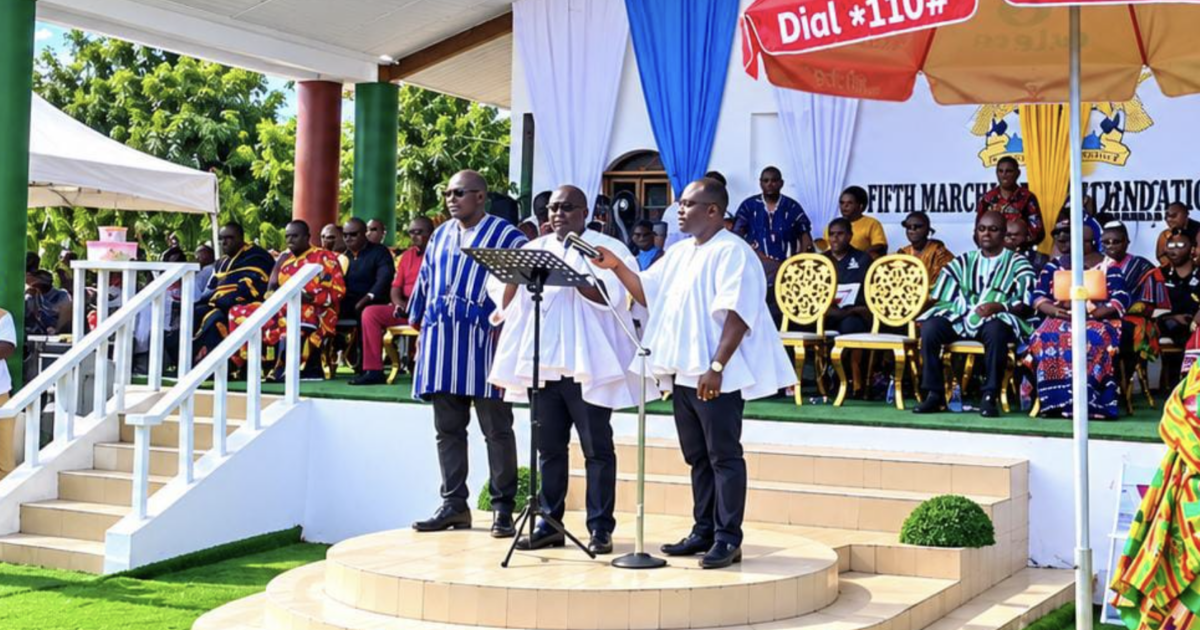
Speaking at the sod-cutting ceremony for the Juapong Model Market in the Volta Region, Mahama outlined the government's commitment to restoring the textile company through reliable supply chains and capital investment. The administration is currently finalising a memorandum of understanding with Benin's government to guarantee a steady flow of raw cotton to feed the factory's production lines—a critical bottleneck that has hampered operations for years.
The announcement signals a shift towards regional trade partnerships within West Africa. Rather than relying on costly international suppliers or domestic production that cannot meet demand, sourcing from Benin offers Ghana a neighbouring solution that could reduce input costs and strengthen the Volta Region's manufacturing competitiveness.
Strategic investor and modernisation plans
Mahama disclosed that the government has already completed the evaluation process for securing a strategic investor, with bids from interested firms now under review. A preferred investor is expected to be selected soon to lead the rehabilitation and modernisation of the textile facility. This phased approach—combining raw material security with fresh capital and expertise—addresses two fundamental challenges that contributed to the factory's closure.
The revival of Volta Star Textile is positioned as a cornerstone of the broader Volta Economic Corridor initiative, an ambitious development framework designed to integrate agriculture, manufacturing, logistics and export-led production across the region. The corridor concept reflects growing recognition among policymakers that revitalising Ghana's manufacturing base requires more than isolated factory interventions; it demands ecosystem-level planning that links farmers, processors, manufacturers and exporters.
Why it matters for Ghana
The revival of Volta Star Textile carries significant implications for Ghana's industrial ambitions and employment landscape. The textile sector has historically been a major employer in Ghana, but decades of competition from imported clothing, inconsistent raw material supply and underinvestment have eroded the industry's capacity. Restoring a flagship facility like Volta Star could serve as a catalyst for sectoral recovery.
For the Volta Region specifically, the project promises direct job creation in manufacturing and supporting industries such as transportation and logistics. Beyond employment, successful revival would demonstrate that Ghana's dormant manufacturing assets can be reactivated through strategic planning and regional cooperation—a lesson relevant to similar challenges elsewhere in the country.
The Benin cotton partnership also underscores a broader shift in Ghana's trade strategy towards leveraging ECOWAS integration. By sourcing from Benin rather than further afield, Ghana supports regional supply chains while potentially negotiating preferential terms that improve factory economics.
However, success hinges on several factors: the investor's commitment to modern production standards, timely completion of infrastructure rehabilitation, and the reliability of Benin's cotton supply pipeline. Additionally, the factory will need to compete with cheap imports in both domestic and regional markets—a challenge that requires not only efficient production but also strategic trade protection or branding that emphasises local manufacturing.
The government's push to revive Volta Star Textile reflects its broader industrialisation agenda, but the textile sector's long-term viability in Ghana will ultimately depend on sustained commitment, adequate working capital, and realistic market positioning.
Source: MyJoyOnline

Comments (0)
Be the first to comment.