Global debt crisis looms: How rising borrowing costs will hit Ghanaian wallets

The world is entering a dangerous new phase of expensive borrowing. Long-term interest rates on government debt have reached levels unseen since before the 2008 financial crisis, driven by a toxic mix of geopolitical tension, inflation worries, and massive corporate spending on artificial intelligence. For Ghana and other African nations, the ripple effects could be severe.
On Tuesday, the US 30-year borrowing rate climbed to 5.33%, the highest since June 2007, while the UK's long-term debt cost soared to 5.85%. Germany and Japan experienced similar increases. These figures matter far beyond Wall Street and the City of London because when global borrowing costs rise, African countries feel the pain acutely.
Why it matters for Ghana
Ghana, like many developing nations, relies on international bond markets to finance infrastructure, healthcare and education projects. When global borrowing costs surge, Ghana's own cost of accessing foreign capital increases correspondingly. This makes it more expensive for the government to refinance its debt and fund new development initiatives. The impact cascades through the economy: banks pass higher costs to consumers through increased mortgage rates and loan charges, while businesses facing steeper borrowing costs may reduce investment and hiring.
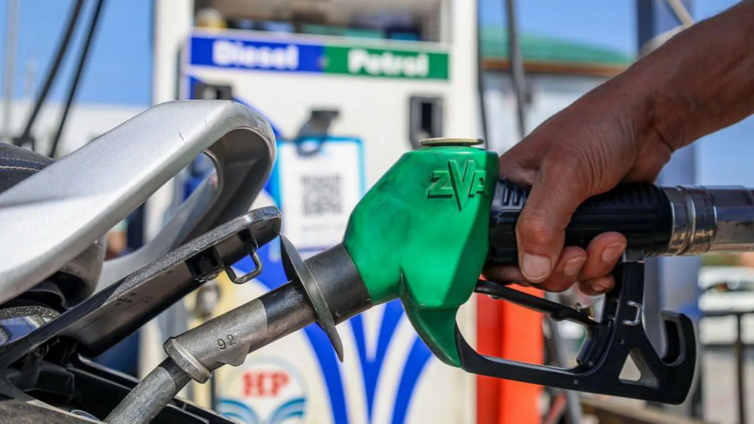
The current crisis reflects broader concerns among global investors. Rising oil prices—Brent crude surpassed $90 per barrel this week amid Middle East tensions—threaten to reignite inflation worldwide. Higher energy costs ripple through supply chains, pushing up prices for goods transported by truck and lorry. Companies typically pass these costs to consumers, accelerating inflation. For Ghana, already grappling with inflation challenges, this external pressure compounds domestic pressures.
Beyond oil, investors are nervous about unprecedented levels of government debt globally and uncertainty surrounding hundreds of billions being invested in artificial intelligence infrastructure. These concerns have prompted bond investors to demand higher returns as compensation for the perceived risks.
The driving forces behind soaring rates
- Oil price shock: Middle East tensions and geopolitical uncertainty have pushed crude oil toward $90 per barrel, raising fears of inflation resurgence and prompting expectations of higher central bank interest rates
- Government debt concerns: Major economies including the US, UK, France and Italy face unsustainable fiscal positions, making investors wary of lending at lower rates
- AI investment uncertainty: Corporations are borrowing at record pace to fund artificial intelligence and data centre development, but the timeline and returns on these massive investments remain unclear
John Canavan, lead analyst at Oxford Economics, warned that higher borrowing costs could trigger a vicious cycle. Companies forced to pay more for capital will raise prices, adding to inflationary pressure. This could eventually slow economic growth even as prices remain elevated—a painful combination for developing nations.
What Ghanaians should expect
The tightening global financial environment will make credit more expensive across the board. Mortgage rates will likely rise, making home ownership less accessible. Car loans and credit card interest will climb. Small businesses relying on bank credit to fund operations and expansion will face stiffer borrowing terms. For ordinary Ghanaians, this means less disposable income and tighter household budgets.
Economists at Capital Economics noted that while this does not yet constitute a full bond market crisis, the situation reflects genuine risks: geopolitical uncertainty, inflation threats, questions about US monetary policy direction, and unsustainable government debt levels. Ghana's policymakers and citizens should prepare for a more expensive borrowing environment that could persist for months or longer.
The path forward requires careful management. Central banks globally must balance fighting inflation without crushing economic growth. Governments must demonstrate fiscal discipline to reassure nervous bond investors. For Ghana, strengthening revenue collection, improving spending efficiency, and diversifying the economy remain essential shields against external financial shocks.
Source: MyJoyOnline

Comments (0)
Be the first to comment.