
Ghana's Inflation Set to Cool to 5.0% in July as Oil Prices Fall, Cedi Strengthens
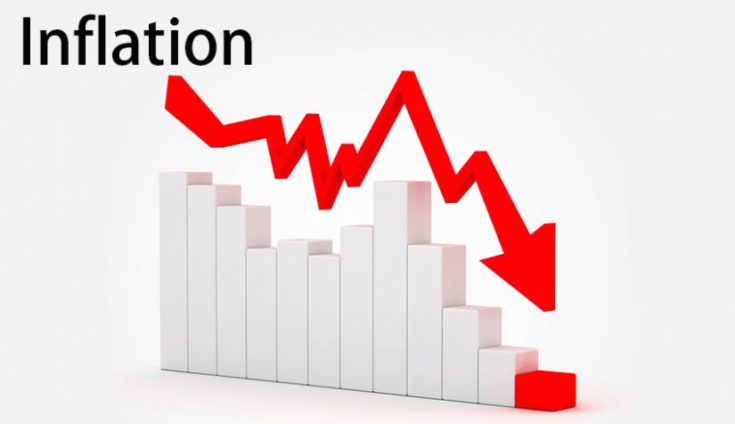

Ghana's inflation is expected to moderate slightly in July 2026, according to research firm IC Insights, which forecasts the headline inflation rate declining to 5.0% from June's 5.3%. The predicted ease comes after three consecutive months of inflationary pressure that has kept monetary authorities and households on edge.
The anticipated relief hinges primarily on two major factors: sharply lower global energy prices and Ghana's strengthening currency. Brent crude oil has dropped to just above US$70 per barrel, effectively removing what analysts describe as a wartime premium that had been supporting oil costs. This international shift is already translating into domestic benefits, with fuel prices falling in both June and expected further declines in July's pricing window.
IC Insights noted that the cedi's appreciation in June provides additional downward pressure on fuel costs in local currency terms, compounding the benefit from cheaper international oil. Transport fare reductions have also emerged as a secondary deflationary force, helping drag down non-food and overall headline inflation figures.
Persistent Food Price Concerns Amid Environmental Risks
Despite the optimistic inflation outlook, IC Insights cautioned that food price pressures remain elevated compared to the same period in 2025. The research firm highlighted two specific headwinds. First, Ghana's annual fishing season closure begins in July, restricting semi-industrial vessels to one month and industrial trawlers to two months of operation. This supply constraint typically drives up fish prices, a critical protein source for most Ghanaian households.
Second, recent heavy rains and flooding across agricultural regions have introduced uncertainty around the third-quarter crop harvest. Whilst rainfall benefits crops, excessive flooding can damage standing crops and disrupt farming operations, potentially constraining food supply in the coming months. IC Insights expressed cautious concern about these dynamics as the year progresses.
Why This Matters for Ghana
Ghana's inflation trajectory carries significant implications for household budgets, business planning, and monetary policy. The June spike to 5.3% marked the steepest monthly climb since late 2024, when food supply shocks upended the central bank's earlier disinflation progress. For ordinary Ghanaians, each percentage point of inflation erodes purchasing power—especially critical in a context where many families spend 50% or more of income on food.
The Bank of Ghana has been closely monitoring inflation trends to guide interest rate decisions. A moderation to 5.0% in July would signal that recent pressures are temporary rather than entrenched, potentially influencing policy settings in the coming months. However, the fragility of this forecast—dependent on oil prices holding steady and no major agricultural shocks—means risks remain. Further geopolitical disruptions to oil supplies or severe weather events could quickly reverse the expected cooling.
For businesses and consumers planning expenditure, understanding that inflation may ease provides modest relief, yet the caution around food prices and environmental risks underscores the need to remain vigilant. The coming harvest season will be crucial in determining whether Ghana can sustain lower inflation into the second half of 2026.
Source: MyJoyOnline



Comments (0)
Be the first to comment.