Why African nations, including Ghana, pay drastically higher borrowing costs than the rest of the world
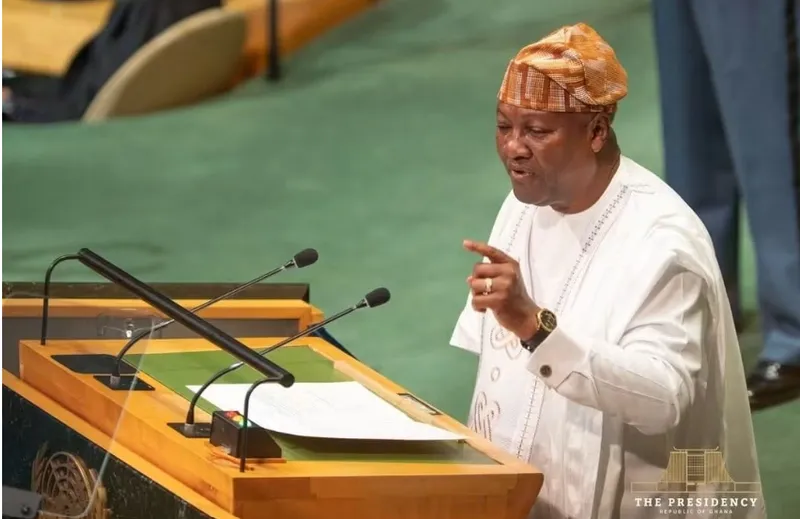
Despite sitting on vast reserves of oil, lithium, cobalt and rare minerals essential to global supply chains, African nations—including Ghana—face a costly paradox: they borrow money at rates dramatically higher than richer countries. This disparity exposes a fundamental inequity in global finance that directly impacts development across the continent and Ghana's own fiscal challenges.
Ghana, like many African states, has struggled with high borrowing costs in recent years. The nation's struggle to access affordable credit on international markets has constrained spending on critical infrastructure, healthcare and education. When Ghana issues bonds or seeks loans, investors demand significantly higher interest rates than they would for similar debt issued by developed nations, a premium that reflects perceived risk rather than actual economic fundamentals.
The resource curse paradox
The contradiction is striking: Africa holds an estimated 30 percent of global mineral reserves and possesses some of the world's largest proven oil deposits. Cobalt, crucial for electric vehicle batteries, is concentrated in the Democratic Republic of Congo. Lithium deposits span multiple African nations. Yet this mineral wealth has not translated into cheaper access to capital markets.
Several interconnected factors explain this phenomenon. International investors often view African governments as higher-risk borrowers due to concerns about governance, currency stability, and debt sustainability—perceptions shaped partly by historical patterns but not always reflective of current conditions. Currency depreciation risk also plays a role; investors worry that the value of returns will erode if local currencies weaken against the dollar or euro.
The terms of trade also work against African nations. Rather than exporting processed goods or finished products that command higher prices, many African countries export raw materials at commodity prices set on global markets. This limits government revenue and makes debt servicing more difficult when commodity prices fall.
Why it matters for Ghana
Ghana's experience illustrates the real consequences. The country has endured multiple debt crises, most recently navigating a domestic debt restructuring in 2023 after seeking International Monetary Fund support. High borrowing costs have squeezed the budget, forcing difficult choices between honouring debt obligations and investing in development priorities.
When Ghana or other African nations borrow at eight times the rate of wealthy countries, it creates a vicious cycle: higher debt servicing costs consume government revenues that could otherwise fund schools, hospitals, or infrastructure. This weakens long-term growth prospects, which in turn reinforces investor concerns about repayment capacity.
Breaking the cycle
Addressing this inequity requires multiple approaches. Strengthening fiscal governance and transparency can reduce investor risk premiums. Developing deeper domestic capital markets allows governments to borrow locally, reducing currency risk. Diversifying economies beyond commodity exports creates more stable revenue streams.
At the international level, there are calls for reforming global financial architecture—potentially through enhanced debt relief mechanisms or special financing facilities for African nations that better reflect their resource wealth and development potential. The African Development Bank and other continental institutions are working to mobilise capital on more favourable terms.
For Ghana specifically, the challenge remains urgent. As the country works toward sustainable debt levels and economic recovery, addressing the underlying factors that drive up borrowing costs—governance improvements, currency stability, and economic diversification—remains central to achieving faster development and reducing reliance on expensive external financing.
Source: 3News



Comments (0)
Be the first to comment.