Ghanaian university lecturers set October deadline for allowance payment as strike looms
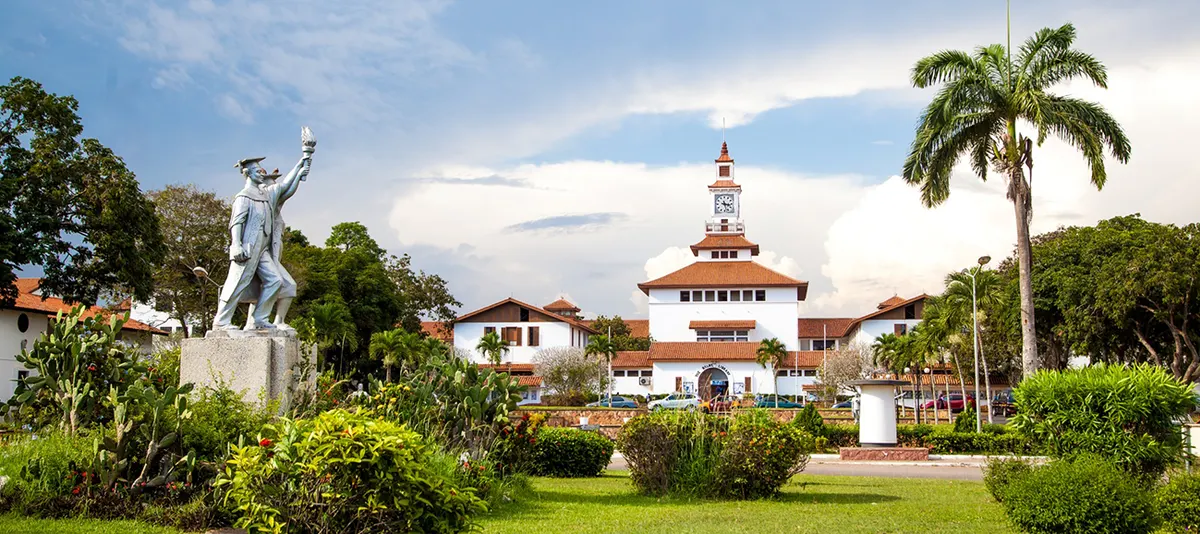
The University Teachers Association of Ghana (UTAG-UG) has escalated pressure on the government, issuing a firm ultimatum: settle the 2026 Book and Research Allowance by 16 October or face a nationwide withdrawal of teaching services beginning 19 October 2026. The threat marks another round of industrial action in Ghana's higher education sector, where funding disputes have repeatedly disrupted academic calendars over the past decade.
This latest confrontation centres on what lecturers argue is a critical component of their compensation package. The Book and Research Allowance is meant to support academics in acquiring scholarly materials, conducting research, and maintaining professional development—work essential to the quality of tertiary education across Ghana's public universities.
Background to the dispute
UTAG-UG has a long history of industrial action aimed at protecting lecturer welfare and university funding standards. Previous strikes have highlighted chronic underfunding in Ghana's public university system, where salaries, allowances, and research support have repeatedly fallen behind regional peers. The association represents lecturers across Ghana's public universities, including the University of Ghana, Kwame Nkrumah University of Science and Technology (KNUST), University of Cape Coast, and others.
The withheld allowance for 2026 suggests systemic budgetary constraints within the education sector, or potential delays in government disbursement mechanisms. Such delays have become routine friction points, prompting unions to resort to strike action as their primary leverage tool.
Why it matters for Ghana
University lecturers form the backbone of Ghana's knowledge economy. When teaching services are withdrawn, hundreds of thousands of students face interrupted learning, delayed graduations, and disrupted career timelines. The ripple effects extend beyond campuses: delayed cohorts of engineers, doctors, teachers and other professionals ultimately affect national productivity and economic competitiveness.
For students, strike action is particularly disruptive during critical academic periods. For government, repeated industrial action signals a failure in public sector labour relations and budget management. For the lecturers themselves, the cycle of withheld allowances and threatened strikes underscores deeper concerns about professional respect and sustainability of academic careers in Ghana.
The October deadline also coincides with the latter part of Ghana's academic calendar. A strike from 19 October could derail end-of-semester assessments, examinations, and graduation ceremonies, affecting thousands of graduating students and their families who may have already incurred costs and made plans.
What happens next
The 16 October deadline provides government with a three-day window to respond. Past patterns suggest either last-minute negotiation, partial payment, or formal strike action. UTAG-UG's track record indicates the union is willing to follow through on threats when dialogue stalls.
Students and parents should monitor official announcements from UTAG-UG, their respective universities, and the Ministry of Education for updates. Universities may issue guidance on academic contingency plans, online learning arrangements, or rescheduled calendars if the strike proceeds.
The broader implication is that Ghana's public university system requires urgent, sustainable solutions to funding crises—not cyclical crisis management through repeated industrial action.
Source: 3News
Comments (0)
Be the first to comment.