KNUST postpones 2026/2027 academic year start as GAUA strike paralyses university operations
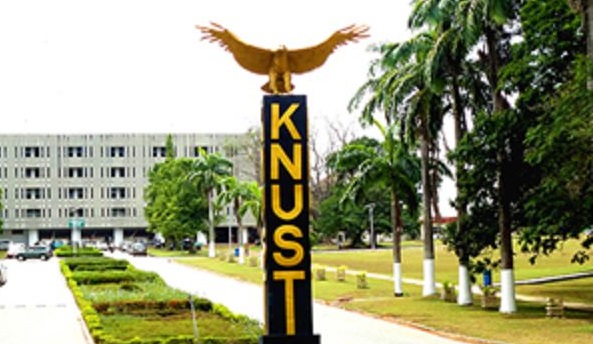
Kwame Nkrumah University of Science and Technology (KNUST) has indefinitely postponed the start of the 2026/2027 academic year, citing the paralysing effects of the Ghana Association of University Administrators (GAUA) strike on institutional operations. The university, which had planned to welcome students back on Tuesday, October 13, 2026, announced the decision on Friday, October 9, in a statement that acknowledged the strike's severe impact on administrative functions across campus.
Impact on students and university operations
The postponement represents a significant disruption for thousands of students, parents and guardians awaiting the new academic term. KNUST management indicated that the industrial action has substantially hindered the effective operation and administration of the institution, making it impossible to proceed with the scheduled reopening. University offices are reportedly operating below capacity, with administrative services severely disrupted by the strike action.
The university has advised all stakeholders—including students, parents, guardians and other interested parties—to take note of the postponement and await further communication regarding when academic activities will resume. However, KNUST has not provided a specific timeline for announcing a revised reopening date, leaving the academic calendar in limbo.
The GAUA strike and its ripple effects
The Ghana Association of University Administrators, which represents administrative and professional staff at Ghana's public universities, initiated the strike over unresolved employment and conditions-of-service matters. As one of Ghana's leading technical and scientific institutions, KNUST's closure demonstrates how strikes by administrative personnel—often less visible than academic staff action—can halt entire universities. Unlike academic boycotts, administrative strikes disable the operational backbone that keeps universities functioning, from admissions and registration to finance and human resources.
Why it matters for Ghana
The KNUST postponement underscores broader challenges facing Ghana's higher education sector. Repeated industrial action by various university staff unions has become a recurring pattern, disrupting academic calendars and forcing students to lose study time. For Ghana's economy and competitiveness, such delays have cumulative costs: they extend graduation timelines, delay entry of skilled graduates into the workforce, and create uncertainty for students planning further studies or employment abroad.
KNUST, as a premier institution producing engineers, scientists and technology professionals critical to Ghana's development agenda, carries particular weight. Extended closure affects not only current students but also prospective applicants and international partnerships. The indefinite nature of this postponement—without a clear reopening date—amplifies anxiety among stakeholders who cannot plan effectively.
The resolution of GAUA's grievances remains essential for restoring normal operations. University management and government must prioritise engaging with the administrators' union to address underlying issues and prevent further disruption to the academic calendar. In a competitive global environment where education timelines matter, Ghana's universities cannot afford prolonged operational shutdowns.
KNUST management stated it regrets any inconvenience caused by the postponement and appealed for understanding and cooperation from all stakeholders as efforts continue to resolve the impasse.
Source: Today GH




Comments (0)
Be the first to comment.