
Ghana to invest GH¢3bn tackling double-track system in senior high schools
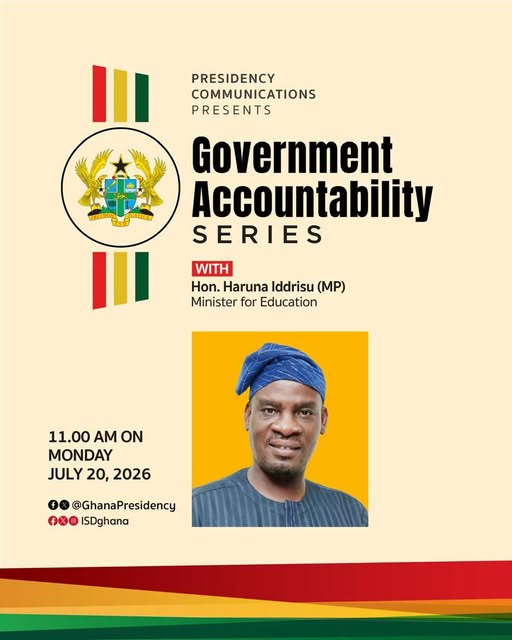

Ghana's Education Minister Haruna Iddrisu is set to announce a substantial GH¢3 billion infrastructure investment programme aimed at eliminating the double-track system in Senior High Schools, a long-standing challenge that has affected educational delivery across the country. The announcement forms part of the Government Accountability Series, where the minister will present a comprehensive mid-year assessment of the education sector's performance.
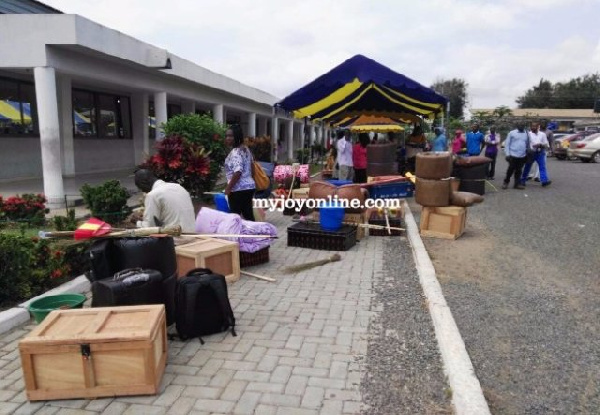
The double-track system, which requires students to attend school in alternating shifts due to insufficient infrastructure and facilities, has been a persistent concern for parents, educators, and policymakers. The system forces some students to attend classes in the morning while others attend in the afternoon, reducing instructional time and complicating the academic calendar. This model has frustrated efforts to standardise education quality and create consistent learning experiences across Ghana's secondary schools.
Infrastructure Investment and Implementation
The GH¢3 billion programme, recently approved by Cabinet, represents a significant commitment to addressing infrastructure deficits in Ghana's senior high school system. The funds are expected to support construction and renovation of school facilities, including classroom blocks, dormitories, and educational infrastructure necessary to accommodate all students in a single-shift system.
During his presentation on Monday, July 20, Minister Iddrisu is expected to outline the specific details of how these funds will be allocated across regions, the timeline for implementation, and which schools will benefit from the investment. The minister will also provide updates on other key policy interventions being implemented to improve both access to education and quality of teaching and learning across the sector during the first half of the year.
Why it matters for Ghana
The elimination of the double-track system represents a critical milestone for Ghana's education sector. The current arrangement has created multiple challenges: reduced contact hours between teachers and students, compressed academic calendars, and increased pressure on already stretched educational resources. For students, the system has meant missed learning opportunities and disrupted social development.
Successfully abolishing double-tracking would demonstrate the government's commitment to improving educational outcomes and creating an environment conducive to quality learning. It would also align Ghana's secondary education system with international standards, where single-shift schooling is the norm. For parents and students, the investment signals a shift towards stability and predictability in the school calendar and learning experience.
The timing of this announcement also reflects broader conversations within Ghana's education sector about sustainability and quality. As the country works to achieve universal secondary education, addressing infrastructure constraints is essential. This investment could serve as a foundation for future educational improvements and help Ghana meet its education-related Sustainable Development Goals.
The Government Accountability Series provides a platform for ministers to report directly to the public on sectoral performance and upcoming initiatives, ensuring transparency in policy implementation and resource allocation.
Source: MyJoyOnline


Comments (0)
Be the first to comment.