Majority of Ghanaians back government borrowing to end double-track system, IEA survey reveals
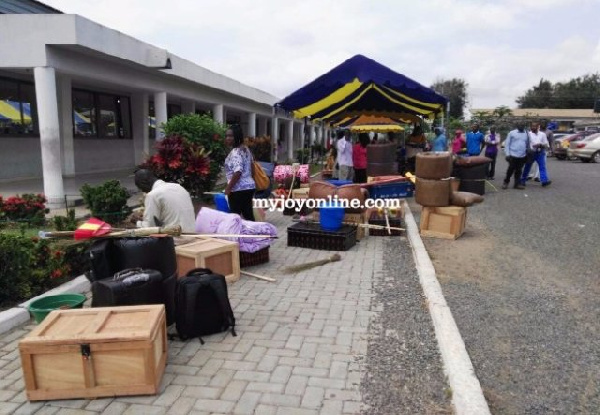
More than half of Ghanaians are willing to see the government take on additional debt to solve the nation's secondary school infrastructure crisis, according to a fresh nationwide survey by the Institute of Economic Affairs. The poll, which canvassed views across all 16 regions, found that 54.3 per cent of respondents back borrowing proposals aimed at constructing new Senior High School facilities and dismantling the unpopular double-track system that has divided students into rotating shifts since 2018.
The survey results suggest public appetite for a radical solution to a problem that has dogged Ghana's education system for over five years. With 38.4 per cent opposed and just 6.2 per cent undecided, the IEA's findings indicate cautious but genuine majority support for tackling infrastructure shortages, even if it means increasing public debt.
Why the pressure on schools remains intense
The infrastructure crisis stems directly from the Free SHS policy introduced by the government, which dramatically increased enrolment across the country but overwhelmed existing school facilities. The double-track system emerged as a stopgap measure, splitting student populations so that multiple cohorts could use the same buildings at different times of the academic calendar. While this allowed schools to accommodate more students without major capital expenditure, it created significant educational and logistical challenges.
The IEA's analysis suggests that Ghanaians understand the root cause of the problem. The institute noted that support for borrowing appears driven by recognition that infrastructure expansion is essential to address capacity constraints created by the Free SHS rollout. For many households, the continued overcrowding and operational strains of the double-track system have become untenable, making debt-financed solutions appear preferable to the status quo.
Growing concerns about education quality
However, the survey also revealed deep anxiety about how the current system affects learning outcomes. A striking 64.7 per cent of respondents believe the double-track arrangement has compromised the quality of secondary education. This perception underscores why support for infrastructure investment resonates: many Ghanaians see new facilities not merely as a convenience but as essential to restoring educational standards.
The double-track model has been criticised by educators, parents, and students for creating a fragmented school year, limiting extra-curricular activities, straining teacher resources, and reducing the time students spend in formal instruction. These quality concerns likely explain why infrastructure expansion polls better than merely continuing current arrangements.
What this means for Ghana's debt and education policy
The IEA survey provides political cover for any government initiative to borrow for school construction, but it also signals public appetite for results. Policymakers will need to balance fiscal sustainability with legitimate demands for investment. Ghana faces tight fiscal constraints and competing borrowing needs across health, roads, and other sectors, so decisions about SHS infrastructure financing will have broader budgetary implications.
The data suggests that Ghanaians are pragmatic: they understand that solving an infrastructure crisis requires resources, and they are prepared to accept borrowing if it means ending the double-track system and improving education quality. The challenge for government is delivering on this expectation efficiently and within sustainable debt limits. Without credible timelines and transparent project management, public support could erode if borrowing increases without visible school improvements.
Source: MyJoyOnline



Comments (0)
Be the first to comment.