Techiman's landmark Islamic secondary school officially opens, seeks urgent government support
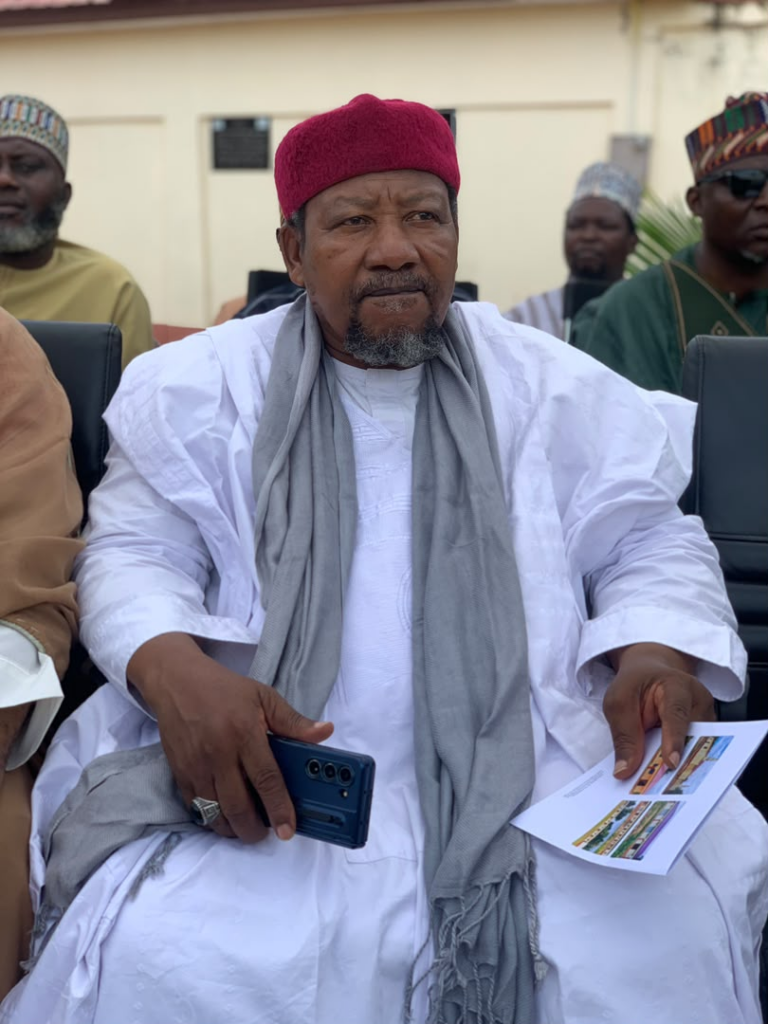
The Bono East Region has marked a significant educational milestone with the official inauguration of ASWAJ Islamic Senior High School in Techiman, the first Islamic secondary institution in the region. The ceremony, held at the school premises, celebrated a facility that has quietly served students for two years before its formal public launch, drawing traditional leaders, government officials, and education stakeholders from across Ghana.
The inauguration underscores growing demand for faith-based secondary education in Ghana and reflects efforts by religious communities to provide alternatives within the country's formal education system. ASWAJ, operating under the Ahlussunna Wal Jama'a movement, represents an expansion of Islamic educational institutions beyond primary level in the region.
Community backing and vision for the school
The Techiman Traditional Council, represented by Oheneba Nana Owusu Antwi Boasiako II (Dabenhene and Kentenhene), lent ceremonial and symbolic weight to the event, signalling strong local acceptance. Traditional rulers' participation is significant in Ghana's educational landscape, as it demonstrates alignment between customary authority and institutional development—a pattern often crucial for school sustainability and community integration.
Speaking at the ceremony, the chief expressed optimism that the school would produce both academically competent and morally grounded citizens. Sheikh Mohammad Kamil Mohammad, First Deputy National Imam of Ahlussunna Wal Jama'a, emphasised that Islamic teaching views education as a religious obligation, not merely an optional pursuit. He urged parents to enrol their children, highlighting the school's role in combining faith principles with rigorous academics.
Dr. Awal Mohammed, Deputy CEO of the Ghana Standards Authority, framed education as an antidote to social dysfunction, urging the Muslim community to prioritise formal schooling as a shield against youth delinquency and crime. This messaging reflects broader Ghanaian conversations about using education to address youth unemployment and antisocial behaviour.
Critical infrastructure gaps threaten growth
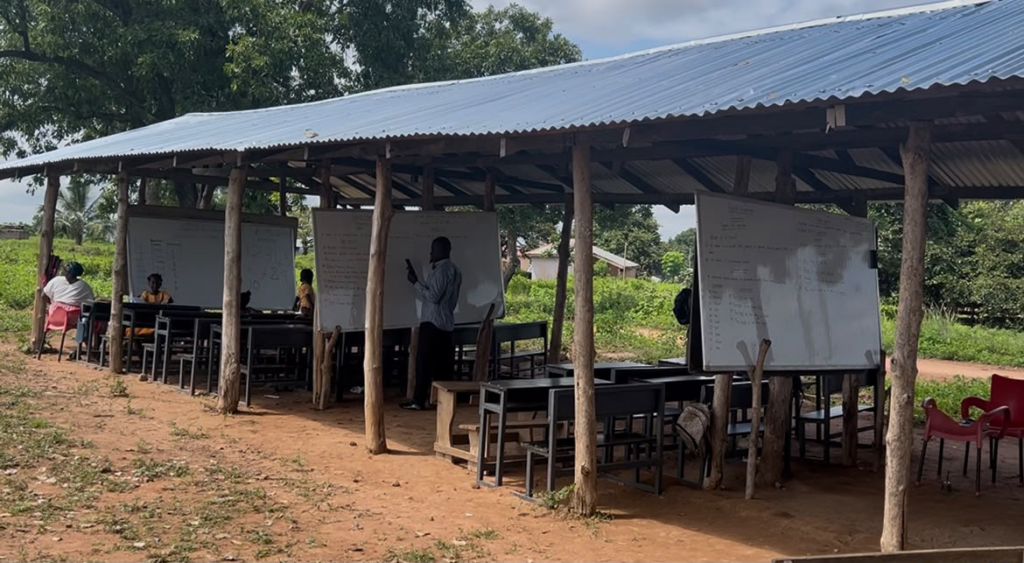
Despite the celebratory tone, the school faces immediate operational challenges that could undermine its mission. Headmaster Issah Bahesi Sumaila made a candid public appeal for government intervention, citing inadequate infrastructure and unsustainable feeding arrangements as pressing obstacles. These deficits, common among newly established secondary institutions in Ghana's regions, directly impact student retention, academic performance, and staff morale.
The headmaster's willingness to publicly highlight shortfalls—even during an inauguration—reflects the harsh realities facing educational facilities outside Accra and other major urban centres. Many Ghanaian secondary schools, particularly those in developing communities, struggle with funding gaps that government allocations alone do not close. ASWAJ's appeal suggests the institution will need support from private donors, NGOs, and corporate organisations to bridge infrastructure and operational costs.
Why it matters for Ghana
The ASWAJ inauguration fits into broader patterns of educational pluralism in Ghana. The country's education system accommodates public, private, and faith-based secondary schools, each serving distinct constituencies. Islamic secondary institutions, though growing, remain relatively few compared to Christian-affiliated schools, reflecting both historical differences in institutional development and demographic patterns.
For Bono East, a region historically underserved by specialised secondary options, this school offers Muslim families a local alternative to boarding schools in distant cities. This reduces educational migration and keeps students within their communities during formative years. However, the school's success will depend on whether government and stakeholders respond to its infrastructure needs—a test that many regional institutions face.
The school also represents how faith communities in Ghana are taking initiative in education provision, sometimes filling gaps left by government capacity constraints. The presence of traditional rulers and senior Islamic leaders at the inauguration suggests confidence in the institution's ability to serve both educational and religious missions without compromising academic standards.
As ASWAJ settles into its formal public role, observers will watch whether it becomes a model for sustainable faith-based education in Ghana's regions, or whether infrastructure deficits derail its potential.
Source: MyJoyOnline



Comments (0)
Be the first to comment.