ActionAid Ghana demands urgent action on child marriage as girl-child celebration highlights systemic abuse
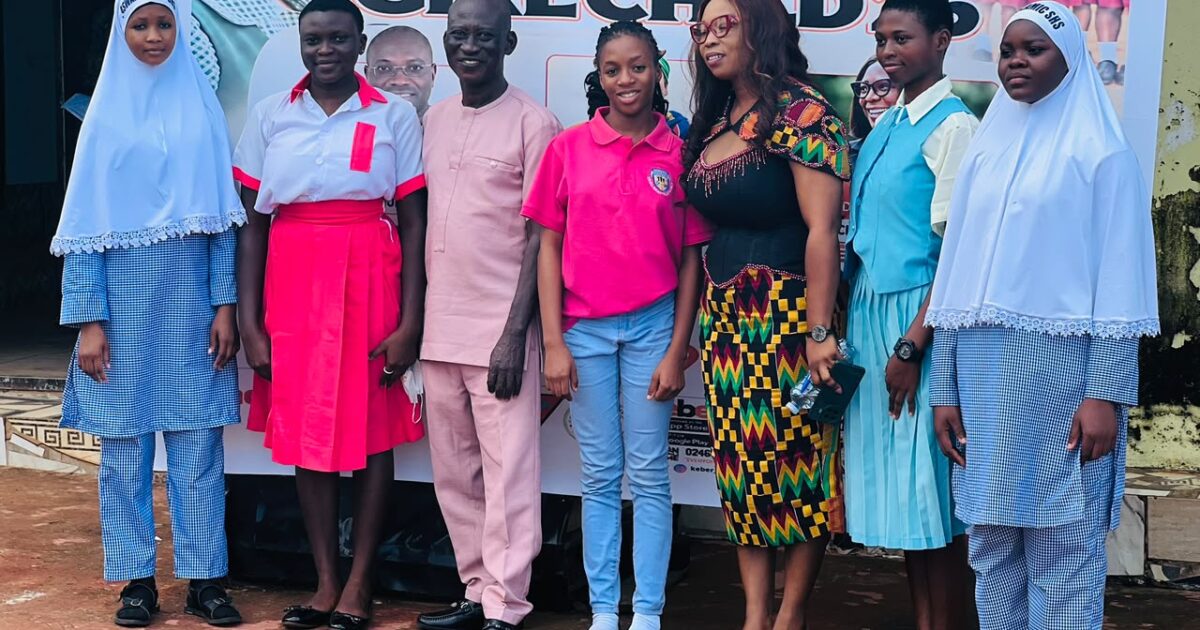
ActionAid Ghana has intensified calls for comprehensive government action to eliminate child marriage and school-related gender-based violence, positioning girls as rights-holders rather than victims requiring rescue. The plea came during the 2026 International Day of the Girl-Child commemoration in Techiman, Bono East Region, where stakeholders gathered to address the multifaceted challenges confronting Ghanaian girls.
The organisation's Regional Programme Manager, Kwame Afram Denkyira, delivered a powerful message reframing how society should perceive girls in Ghana. "Girls are not victims to be saved but rights holders and agents of liberation who deserve justice, resources, and power," he stated, emphasising that recognition of girls as agents of change is essential to dismantling systems that perpetuate harm.
The Scale of the Challenge
ActionAid Ghana identified a constellation of overlapping threats to girls' wellbeing and development. School-related gender-based violence, early and forced marriage, digital exclusion, climate change impacts and austerity measures were highlighted as pressing concerns requiring urgent intervention. Recent cases of sexual abuse within educational institutions underscore what the organisation describes as deeper structural inequalities and systemic failures.
Ellen White Opoku, Techiman Municipal Girl-Child Coordinator, stressed that ending child marriage demands a multi-stakeholder approach encompassing parents, traditional authorities, religious leaders and law enforcement. She warned that abuse and exploitation rob girls of childhood and constrain future opportunities, underscoring the long-term developmental consequences of inaction.
A critical theme emerged around impunity: silence and patriarchal power structures enable perpetrators whilst survivors remain unprotected. ActionAid Ghana emphasised that strengthening accountability mechanisms and justice systems is fundamental to breaking this cycle.
Why It Matters for Ghana
Ghana ratified the Convention on the Elimination of All Forms of Discrimination Against Women and has domestic child protection legislation including the Children's Act, 1998 (Act 560). However, enforcement gaps and cultural practices continue to undermine these legal frameworks. Child marriage remains prevalent in parts of Ghana, particularly in rural communities, limiting girls' educational attainment and perpetuating cycles of poverty and dependence.
The ActionAid intervention connects girls' rights to national development. When girls remain in school, marry as adults and access quality healthcare and digital resources, economic productivity and human capital improve. Conversely, child marriage and educational exclusion weaken Ghana's demographic dividend and perpetuate gender inequality across generations.
The organisation's emphasis on gender-responsive budgeting and increased investment in rural girls' education directly addresses regional disparities. Rural girls in Ghana face disproportionately high rates of school dropout and early marriage, limiting opportunities in urban-centred economies.
Recommendations and Next Steps
ActionAid Ghana called for government, Parliament, local authorities and traditional leaders to implement concrete measures:
- Strengthen accountability systems for perpetrators of child marriage and abuse
- Establish survivor-centred support services and safer, gender-responsive school environments
- Increase investment in quality education, mentorship, healthcare and digital access, especially for rural girls
- Fully implement existing child protection laws
- Adopt gender-responsive budgets prioritising girls' rights and leadership development
The organisation reframed investment in girls' rights as a matter of justice rather than charity, positioning it as essential to Ghana's future leadership and national development. ActionAid Ghana committed to working with traditional authorities, educators and communities to advance equality and dignity for girls across the Bono East Region and beyond.
Source: MyJoyOnline
Comments (0)
Be the first to comment.