New Health Training Campus in Bono East to Ease Admission Bottlenecks, But Critical Facilities Missing
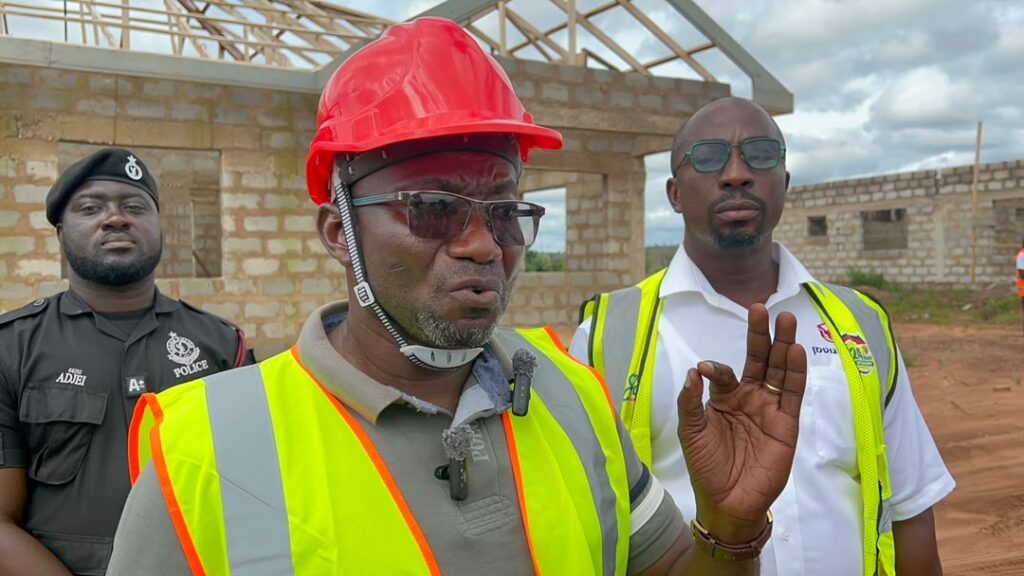
A new government-funded health training facility under construction in Bono East Region between Ampoma and Jema is set to tackle a longstanding challenge that has blocked thousands of qualified applicants from pursuing healthcare careers — severe limitations on student admissions at existing institutions across Ghana.
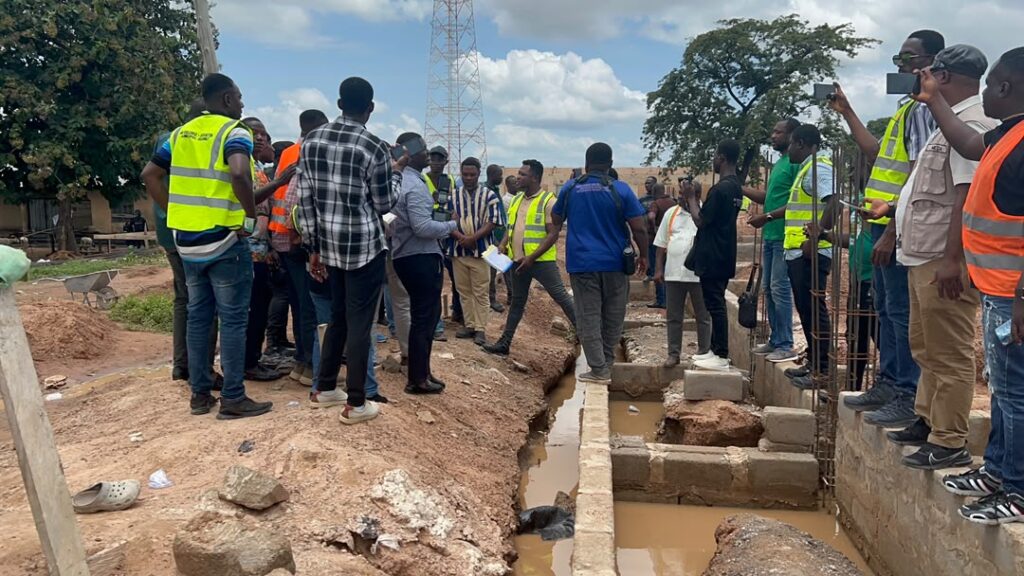
The project represents one of the most significant investments in regional health workforce development in recent years, with Regional Minister Francis Owusu touring the site and confirming that expanded training capacity will directly increase the pipeline of nurses, midwives, medical assistants and other essential health workers serving both the region and the nation.
Expanding Access to Health Professions
Health training institutions in Ghana have long struggled with insufficient capacity relative to demand. The Ampoma-Jema facility, being constructed from the ground up, is designed specifically to relieve this pressure by dramatically increasing the number of students admitted annually into health professional programmes.
According to Minister Owusu, the facility will be instrumental in expanding educational access and producing more qualified health professionals to address Ghana's chronic shortage of skilled healthcare workers. The District Chief Executive for the area, Wilfred Zuria, has pledged Assembly support to ensure timely project completion and delivery of benefits to local communities.
Multiple buildings are already at various construction stages, suggesting the project is advancing at reasonable pace toward operational readiness.
Critical Infrastructure Gap Threatens Functionality
Despite the project's significance, a substantial oversight has emerged: the facility's design scope does not include a dining facility or toilet facilities — essential amenities for any residential or day-student educational institution.
Minister Owusu flagged this critical gap during his facility tour, describing it as a significant shortcoming that must be rectified before the centre becomes operational. He has instructed the project consultant to formally communicate with the Regional Coordinating Council, which will escalate the matter to central government for a scope review and budget adjustment.
The absence of such basic infrastructure could seriously compromise the facility's functionality and student experience, making Owusu's intervention essential to prevent an incomplete or substandard opening.
What This Means for Ghana's Health Workforce
The Bono East Region, like much of Ghana, faces acute shortages of qualified health professionals. Limited training capacity has meant that many capable applicants are turned away annually, perpetuating healthcare worker deficits that strain hospital and clinic operations nationwide.
Successfully completing this facility with all necessary amenities could contribute meaningfully to bridging that gap. However, the project's credibility now rests on whether government heeds the Regional Minister's call for infrastructure corrections. Stakeholders will be watching closely to ensure that budget reviews lead to actual additions rather than operating a facility that forces students into substandard conditions.
The project also signals government commitment to decentralising health professional training beyond Accra and Kumasi, potentially making healthcare education more accessible to rural and regional students who might otherwise be priced out or unable to relocate.
As construction continues, the focus must shift quickly to resolving the amenities question — a relatively straightforward fix if addressed promptly, but a potential embarrassment if overlooked when the facility opens.
Source: MyJoyOnline

Comments (0)
Be the first to comment.