Overcrowded, understaffed, struggling: Inside Bresuano's crumbling school crisis
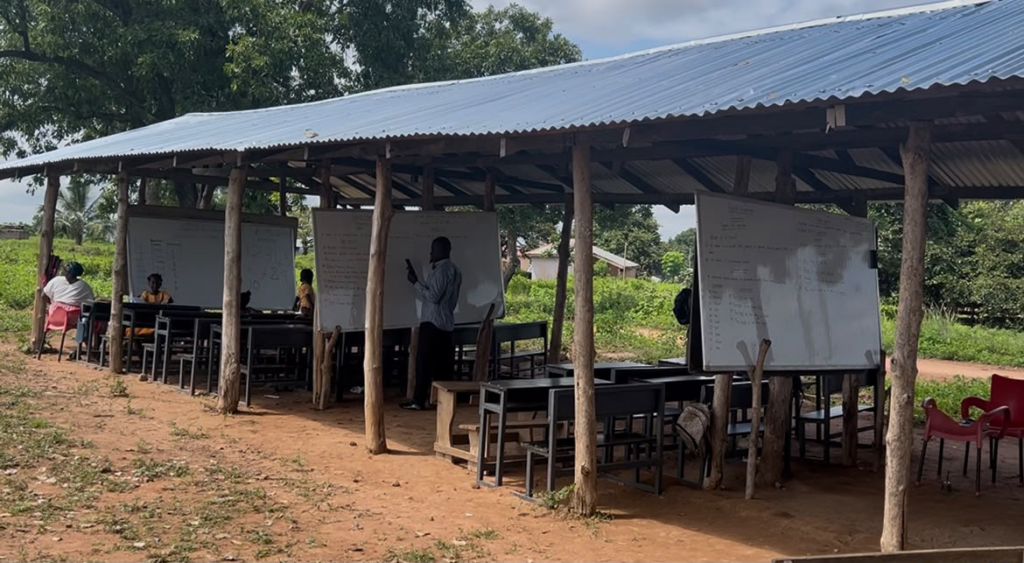
Bresuano MA Basic School in the Atebubu-Amantin Municipality has become a stark symbol of educational inequality in rural Ghana. Since torrential rains destroyed the original school building, pupils from kindergarten through Primary 6—spanning six year groups—now share three makeshift classroom spaces, instructed by just two teachers who each manage four classes simultaneously.
The damage left the community with no choice but to improvise. What should be separate, age-appropriate learning environments has collapsed into a single, chaotic reality where five-year-old kindergarteners and eight-year-old Primary 2 pupils compete for a teacher's attention in the same room.
The daily reality for teachers and learners
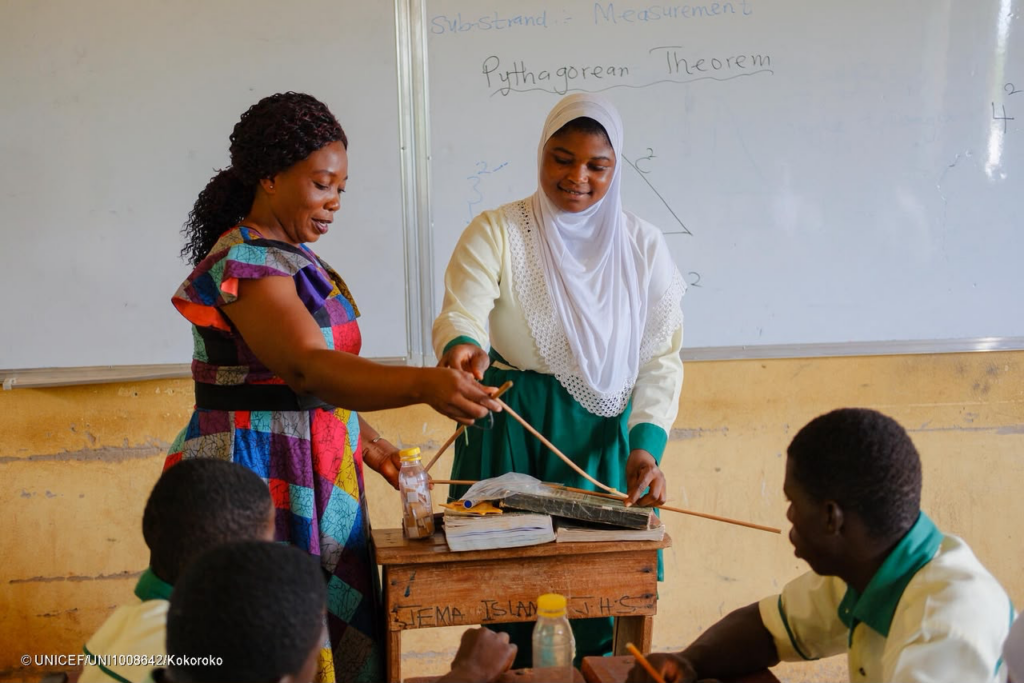
Madam Maglos George Witta, one of the two teachers carrying this burden, describes her working conditions with candid frustration. Each morning, she enters a classroom housing KG 1, KG 2, Primary 1, and Primary 2 pupils all at once. "When I am teaching one group, the rest are disturbing with noise. It is very difficult to concentrate," she explains. "But I have to try."
When asked whether she can complete the national curriculum, her answer reveals the depth of the crisis: "No. I cannot cover the syllabus. We are disadvantaged compared to the city schools. But I am doing my best. I don't want these children to be left behind."
This is the daily sacrifice rural teachers make—attempting to teach multiple year levels with fundamentally inadequate resources, knowing their pupils will eventually compete academically with children from better-resourced urban schools.
The human cost extends beyond the classroom. Pupils receive fragmented, rushed instruction. Individualised attention is nearly impossible. Foundational skills that typically determine later academic success are compromised. For parents in the community, the frustration is compounded by the knowledge that their children's futures are being shaped by circumstance of birth rather than merit or potential.
Why it matters for Ghana
Bresuano's crisis exemplifies a persistent challenge across Ghana's education system: stark disparity between rural and urban schooling. While Accra and other cities benefit from relatively stable infrastructure and staffing, communities in the Bono East Region and similar rural areas struggle with damaged facilities, chronic teacher shortages, and overcrowding that actively undermines learning outcomes.
This inequality directly impacts Ghana's development. When rural children receive substandard primary education, they enter secondary school behind their urban peers. Over time, this compounds into workforce disadvantages, reduced earning potential, and perpetuated poverty cycles. The economic and social cost to the nation is significant.
The situation also raises accountability questions. How many other Ghanaian schools operate under similar conditions? What systems exist to monitor and rapidly remediate such crises? And why should a child's postcode determine the quality of their constitutional right to education?
A glimmer of hope on the horizon
Relief may be coming. The Atebubu-Amantin Municipal Assembly has begun constructing a six-unit classroom block to replace the destroyed structure. Municipal Chief Executive Masawudu Musah Ayaaba confirmed the assembly's commitment: "We are constructing a six-unit classroom block to address the problem. Once the project is completed, we will take steps to engage the Ghana Education Service to post more teachers to the school."
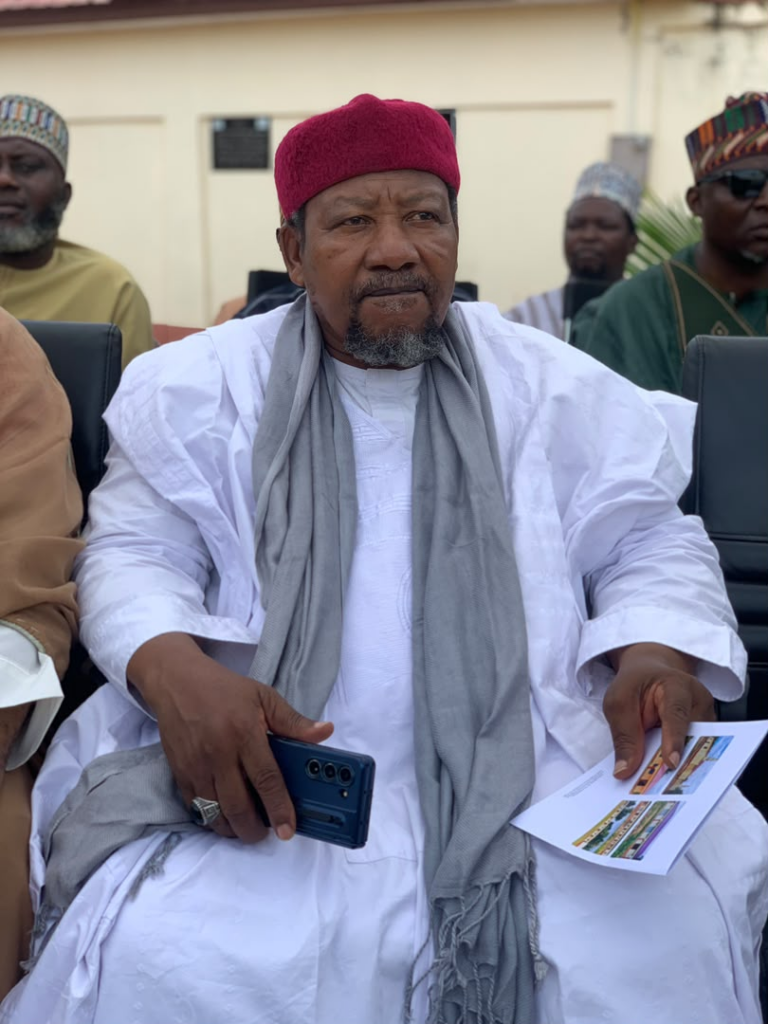
Bono East Regional Minister Francis Owusu Antwi echoed this optimism during a project inspection, stating: "When completed, this project will help improve basic education in this area. The children deserve a better environment to learn."
Yet hope remains conditional. The new block must be completed. Teachers must actually be posted. Resources must follow. Until then, Madam Maglos and her colleague continue teaching four classes each in makeshift spaces, while 200-plus pupils squeeze into conditions no child should endure.
Bresuano's struggle is not unique. But it is also not inevitable. It demands urgent action—not just infrastructure promises, but sustained commitment to staffing, monitoring, and ensuring that rural Ghana's children can learn with dignity.
Source: MyJoyOnline

-800x437.webp)
Comments (0)
Be the first to comment.