Ghana's Remote Schools Face Critical Teacher Crisis, Threatening Child Protection Efforts
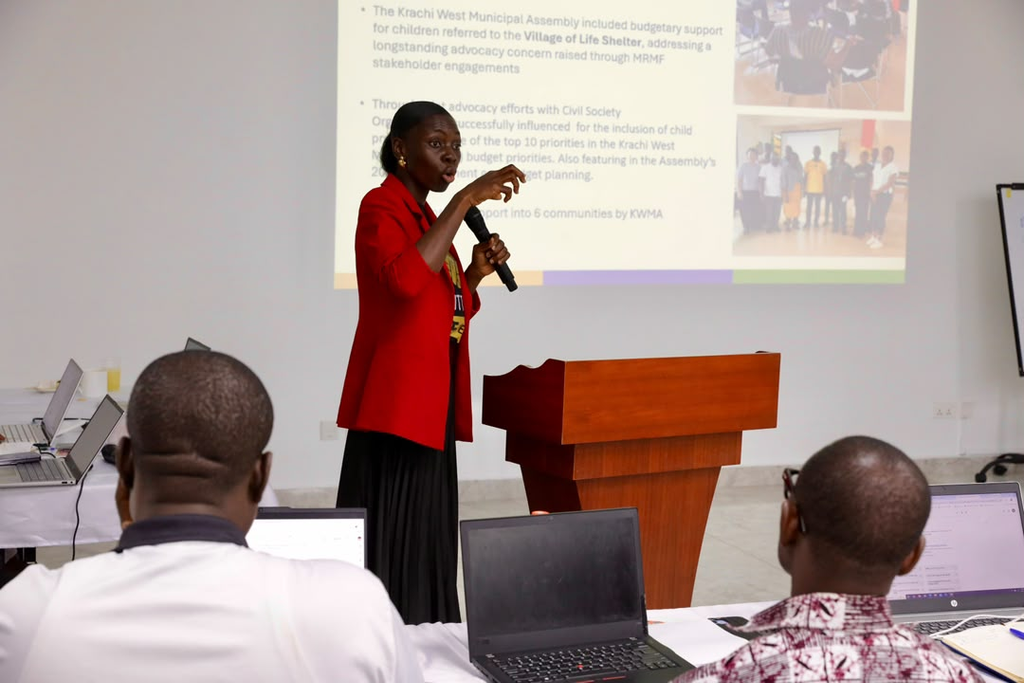
Ghana's most vulnerable children are being left behind due to severe teacher shortages in remote communities, according to monitoring by international child protection organisation Right To Play Ghana. The crisis reveals a troubling gap between staffing requirements and ground reality, with some basic schools operating at just one-third the teachers needed to deliver quality education and safeguard at-risk pupils.
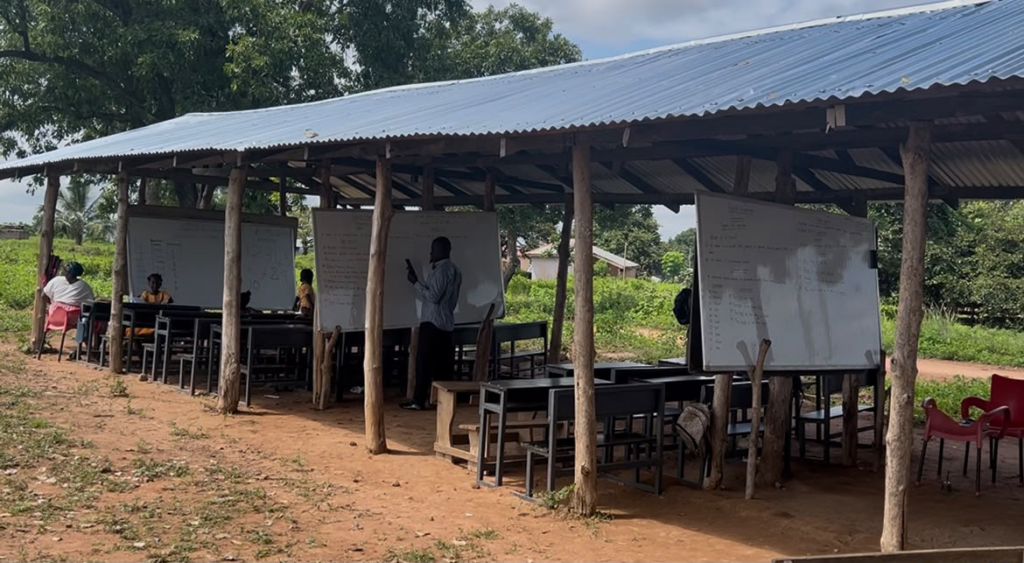
Right To Play's recent assessment through its My Life, My Rights and My Rights, My Future projects uncovered schools supposedly requiring nine teaching staff—including a headteacher—functioning with only two or three educators. The shortage forces schools to combine multiple year groups, a practice known as multigrading, that stretches already thin resources and compromises learning outcomes.
Julius Kwami Tsatsu, Project Manager of the My Life, My Rights initiative, described the situation as "appalling." He noted that the teacher deficit is particularly acute in underserved areas where staffing levels fall far short of national requirements, leaving schools unable to provide the support children in vulnerable communities desperately need.
Distance as a Hidden Barrier to School Access
Beyond staffing challenges, Right To Play identified another critical obstacle: geographical distance. Many children in satellite communities—smaller settlements scattered across regions—live several kilometres from the main schools, creating an attendance barrier that forces families to choose between education and economic survival.
Harrison Akubor, Head of Office at Right To Play Ghana, explained that children rescued from child labour often come from these distant satellite communities. The long daily journey to school makes consistent attendance unrealistic, particularly for children already experiencing poverty or exploitation. This geographical gap effectively denies education access to some of Ghana's most at-risk pupils, undermining both their safety and their futures.
The organisation is collaborating with education authorities to explore solutions, including deploying teachers to remote areas. However, progress has been slow, and the structural barriers remain daunting.
Why It Matters for Ghana
This crisis sits at the intersection of Ghana's education and child protection challenges. Education is not simply an academic issue—it is a protection mechanism. When children attend school consistently, they are supervised, supported, and less likely to be trafficked, exploited or forced into labour. Schools also serve as early-warning systems where educators and peers can identify abuse.
Ghana has made commitments under international conventions to eliminate child labour and ensure universal primary education. Yet teacher shortages in remote areas directly undermine these goals. Children in underserved communities face disproportionate risk, lacking both quality education and institutional protection.
The challenge also reflects broader inequalities within Ghana's education system, where urban areas typically enjoy better resources whilst rural and remote communities are chronically underserved. Without targeted intervention, this gap will widen, perpetuating cycles of poverty and exploitation.
Children Finding Voice Despite Obstacles
A bright spot in Right To Play's findings offers hope. About 90 per cent of children reached by the My Rights, My Future project are now actively advocating for their own rights. Project Manager Josephine Baffoe credited the intervention with helping children understand their rights and responsibilities whilst building confidence to speak out when those rights are violated.
Empowering children as self-advocates forms a critical layer of protection, particularly where institutional systems remain weak. When children understand and can articulate their rights, they are better equipped to resist exploitation and seek help.
Right To Play is calling for urgent collaboration between communities, education authorities and child protection institutions to address the identified gaps. Priority actions include deploying teachers to underserved areas, reducing barriers to school attendance, and strengthening local child protection systems. Without these steps, Ghana risks leaving its most vulnerable children further behind.
Source: MyJoyOnline

Comments (0)
Be the first to comment.