
Child Labour Crisis Demands Urgent Action from All Ghanaians, Church Leaders Warn

Thousands of Ghanaian children wake each day not to school bells but to gruelling labour in fishing communities, on farms, in homes, and on city streets. These children—many as young as six or seven—face exploitation that steals their education, endangers their safety, and warps their futures. Now, religious and community leaders are sounding an urgent alarm, insisting that tackling this crisis requires every citizen, institution, and leader to act.
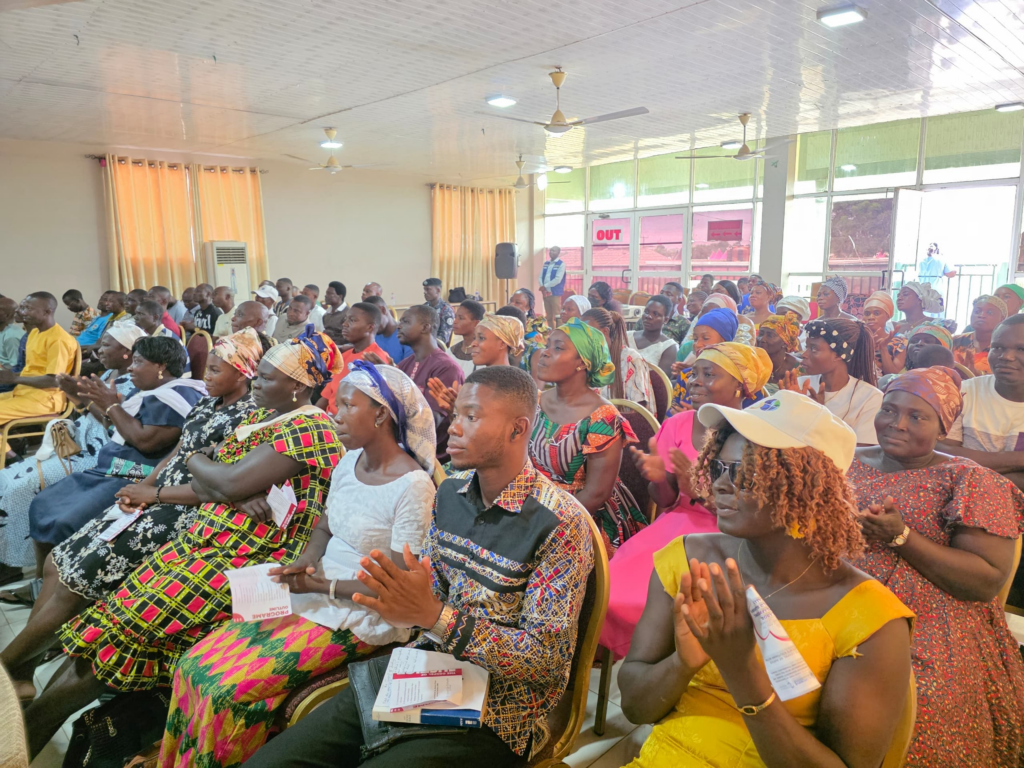
At a Southern Justice Conference in the Mepe North Tongu District, Rev. Samuel Anthony Kofi Dunya of GlobeServe Ministries International delivered a stark message: child exploitation is not a private family affair. It is a societal crisis that demands collective responsibility. "A child is not an economic tool. A child is not a commodity. A child is not a debt to be paid," he declared, challenging the cultural and economic pressures that push vulnerable children into work.
The scale of the problem in Ghana is sobering. Children labour in Ghana's fishing industry—sometimes on Lake Volta—in mining, agriculture, domestic service, and street hawking. Many are trafficked with false promises of education or employment, only to find themselves trapped in abuse and exploitation. Others simply drop out of school due to poverty and lack of opportunity, becoming easy targets for traffickers and exploiters.
Recognition and Prevention: Where to Start
Rev. Dunya stressed a critical distinction: not all work by children is exploitation. Age-appropriate chores teach responsibility. But when work compromises a child's health, education, safety, development, dignity, or childhood itself, it becomes abuse that must be stopped.
He urged Ghanaians to watch for warning signs: children missing school without explanation, working in dangerous conditions, being moved suspiciously between communities, selling goods late at night, or showing signs of fear and mistreatment. Parents and guardians must also be vigilant, he cautioned—never handing over children based on vague promises from strangers. Proper verification of employment and apprenticeship arrangements, confirmation that schooling continues, and maintained contact with children are non-negotiable.
Traditional authorities—chiefs, queen mothers, and elders—hold particular power to break cycles of exploitation. By using their influence and cultural standing to challenge harmful practices and strengthen community protection systems, they can create accountability and safety nets for vulnerable children.
Why It Matters for Ghana
Child labour and trafficking undermine Ghana's development. Every exploited child is a lost opportunity for the nation—someone who could have been educated, healthy, and productive instead becomes damaged, sometimes permanently traumatised. The economic and social costs are immense, yet the problem remains partly hidden by shame and misplaced family loyalty.
Ghana's legal framework already prohibits child labour and trafficking, but enforcement remains weak. Police, social welfare officers, schools, and health workers often lack resources or coordination to identify and protect victims. Courts sometimes deal leniently with traffickers, particularly if they have wealth or connections. This impunity perpetuates abuse.
The Church and civil society organisations can fill critical gaps. Rev. Dunya challenged churches to move beyond prayer and create practical safeguards: child-protection policies, safe reporting channels, trained leaders who can spot abuse, and collaboration with authorities. Survivors need rehabilitation, psychosocial support, and reintegration, not stigma.
A Call for Collective Action
Ending child exploitation requires systems, not sentiment. Social welfare officers, police, traditional authorities, faith leaders, NGOs, and local government must work together to identify vulnerable children early and provide timely protection and long-term support. Rescuing a child is only the beginning; healing and preventing re-exploitation demand sustained effort.
Most importantly, perpetrators must face accountability regardless of their status. Communities must refuse to protect exploiters through silence or loyalty. Rev. Dunya's message was unambiguous: the character of a community is revealed not by its buildings or wealth, but by how it treats its children. Ghana cannot afford to fail them any longer.
Source: MyJoyOnline




Comments (0)
Be the first to comment.