Education crisis deepens: COPEC chief demands gov't address teacher pay and resource shortages

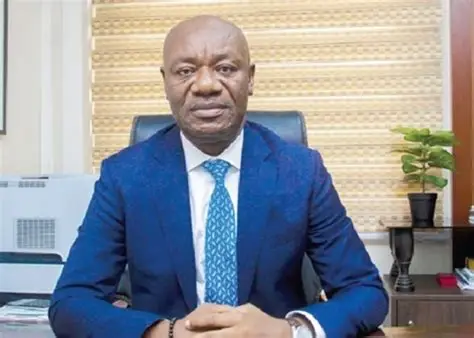
Ghana's education sector faces mounting pressure as business leaders join calls for the government to substantially improve teacher compensation and fund classroom resources. Duncan Amoah, Executive Director of the Chamber of Petroleum Consumers (COPEC), has become the latest prominent voice demanding urgent action on wages and working conditions that have sparked repeated industrial action in recent years.
Speaking during a recent interview, Amoah emphasised that competitive teacher salaries are not a luxury but essential to improving educational outcomes and preparing students for meaningful employment. He pointed out a critical gap in Ghana's education spending: despite substantial government investment in the sector, graduates often struggle to find jobs aligned with their qualifications, suggesting systemic failures in curriculum quality and resource allocation.
The call for dialogue and sustainable solutions
Amoah welcomed the recent decision by teacher unions to suspend strike action, describing it as a necessary step towards resolution. However, he cautioned that temporary truces will not address underlying grievances without genuine commitment from both government and education unions to engage in sustained dialogue.
"Let's pay teachers realistic incomes or salaries. Let's pay for educational material," Amoah stated, highlighting that investment in human resources and teaching tools must accompany funding announcements to yield tangible improvements in classroom learning.
He stressed that meaningful discussions between government and unions are critical to preventing future disruptions to the academic calendar. Trust-building through consistent engagement, he argued, will demonstrate government responsiveness to teacher concerns and create a more stable education environment.
Why it matters for Ghana
Teacher strikes have become recurring disruptions in Ghana's academic calendar, affecting millions of students and undermining education quality. When strikes occur, learning time is lost, examination schedules slip, and students from disadvantaged backgrounds—who lack alternative learning resources—fall furthest behind.
The intersection of poor teacher pay, inadequate classroom materials, and high graduate unemployment suggests structural problems in Ghana's education system that extend beyond wage negotiations. Teachers working under stress with insufficient resources struggle to deliver quality instruction. Meanwhile, curricula may not align with labour market demands, leaving graduates unprepared for available jobs.
Amoah's intervention reflects growing recognition among Ghana's business community that education quality directly affects workforce readiness and economic competitiveness. Petroleum sector leaders, in particular, depend on a skilled workforce—making them invested stakeholders in education outcomes beyond classroom walls.
The COPEC chief's emphasis on linking education spending to measurable results challenges the government to move beyond budgetary allocations to actual classroom impact. This requires not only wage increases but also transparent resource management, curriculum reform, and accountability mechanisms ensuring that funds reach schools and students.
As teacher unions and government resume negotiations, Amoah's call underscores that temporary strike resolutions without addressing root causes will continue to disrupt Ghana's education system. Sustainable progress depends on government demonstrating through action—not rhetoric—that it values teachers and is committed to creating an education environment where quality teaching and learning can flourish.
Source: The Ghana Report
Comments (0)
Be the first to comment.