Ghana's Teaching Crisis: How a Noble Profession Became a Symbol of Struggle
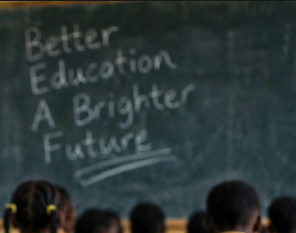
Ghana's teaching profession, once a beacon of respectability and social status, has deteriorated into a source of quiet desperation and public ridicule. What was historically considered a noble calling now carries the burden of poverty, disrespect, and a profound crisis of dignity that extends far beyond classroom walls.
The transformation is stark. Teachers, who dedicate their careers to shaping the nation's future, are routinely mocked in public spaces—from minibuses to market centres. The profession has become so financially untenable that many view it merely as a temporary placeholder whilst awaiting better opportunities. This perception represents a fundamental shift in how Ghanaian society values education and those who deliver it.
The Economics of Desperation
The salary crisis facing teachers is acute and pervasive. Many teachers resort to overdrafts as an unofficial component of their compensation, rushing to banks on payday not to deposit savings but to manage accumulated debts. Compared to other civil servants, teachers consistently rank among the poorest, unable to participate in typical middle-class investments like property ownership.
The hardship extends beyond personal finance. Teachers struggle with fundamental expenses: securing housing in major cities like Accra and Kumasi where landlords demand two years' advance rent; funding their own children's higher education despite spending careers educating other people's children; and affording basic leisure activities that most working professionals take for granted.
Private sector teachers face even grimmer circumstances. Those employed by small, family-run schools work under intense supervision with minimal pay, irregular salary disbursements (sometimes delayed by weeks), and no job security or pension provisions—a precarious existence that public sector colleagues do not experience.
Why This Crisis Matters for Ghana
This is not merely a labour grievance; it represents an existential threat to Ghana's education system and national development. A teaching profession in crisis directly undermines educational quality. Teachers preoccupied with financial survival cannot deliver the inspired, innovative instruction that students require to compete globally.
The social stigma attached to teaching creates a vicious cycle. Ghana risks losing its brightest educators to more lucrative professions, leaving classrooms staffed by those with limited alternatives. This brain drain compromises the intellectual calibre of the teaching force precisely when the nation needs excellence in education.
Furthermore, the erosion of teaching's social status reflects a troubling national priority misalignment. A society that ridicules its educators—even as they mould future leaders, professionals, and citizens—demonstrates fundamental confusion about what drives national progress. The dignity and adequacy of teachers' compensation signal how seriously a nation takes education.
The Path Forward
Restoring Ghana's teaching profession requires comprehensive reform beyond symbolic gestures like annual awards. Essential measures include:
- Implementing living wages that reflect teachers' critical societal role and allow dignified participation in Ghana's economy
- Improving conditions of service across public and private sectors, with particular protection for vulnerable private school educators
- Rebuilding social respect for the profession through national discourse acknowledging teachers' fundamental contribution to national development
- Ensuring job security and pension provisions that recognise teaching as a long-term career
The stakes are extraordinarily high. A nation that fails to value and adequately compensate its teachers ultimately fails its children and its future. Ghana's development aspirations cannot be realised by educators who are themselves trapped in poverty and despair. The teaching profession's restoration is not charity—it is essential national investment.
Source: MyJoyOnline



Comments (0)
Be the first to comment.