Education Minister pledges swift action on teacher arrears and deprived-area allowance
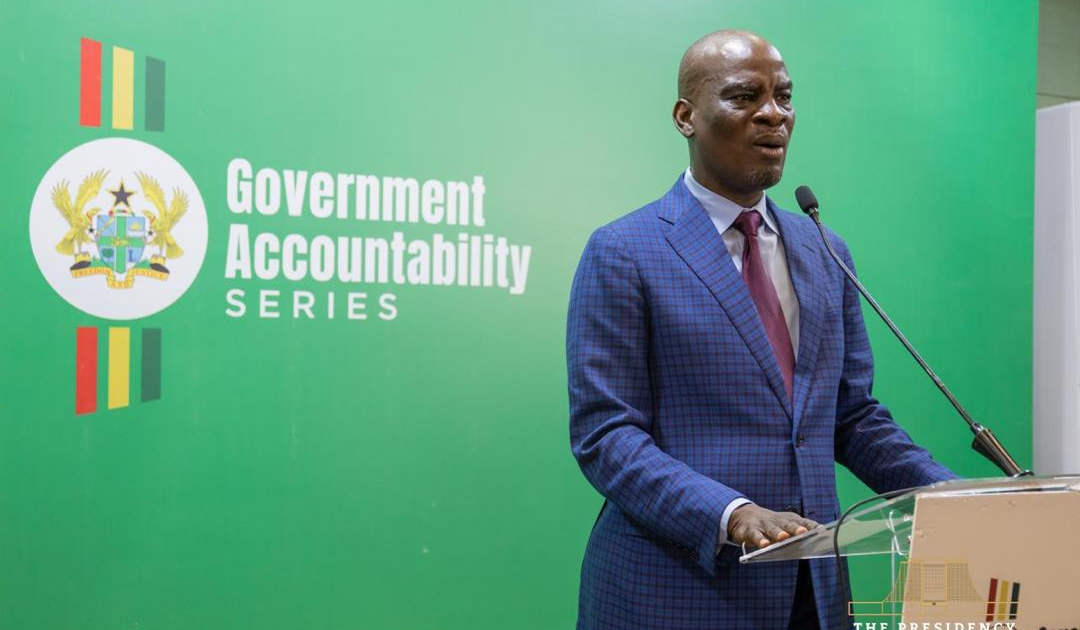
The Government has renewed its pledge to tackle long-standing grievances affecting Ghana's teaching workforce, with Education Minister Haruna Iddrisu announcing concrete steps to resolve outstanding promotion arrears and implement the deprived-area allowance. Speaking at the Ghana Teacher Prize ceremony, Mr Iddrisu outlined a series of initiatives designed to improve conditions of service and recognise teachers' contributions to national development.
Addressing arrears and allowances
A major component of the Government's plan involves clearing promotion arrears affecting more than 51,000 teachers who have been promoted but have not received their new salary grades or associated financial benefits. The Ghana Education Service has been tasked with validating records of these affected teachers in collaboration with relevant institutions. Mr Iddrisu confirmed that the Government would make the necessary financial arrangements to settle these outstanding arrears once the validation exercise is complete.
On the deprived-area allowance—a manifesto commitment to support teachers working in underserved communities—the Minister indicated that discussions are ongoing to validate data on deprived schools and communities. He emphasised that validation of this data is essential before implementation can begin, stressing the Government's absolute commitment to fulfilling this pledge. The Fair Wages and Salaries Commission, with support from the Ministry of Finance, will engage teacher unions on their expired collective agreement regarding conditions of service.
Infrastructure overhaul and classroom access
Beyond pay and allowances, the Government has approved a new integrated model for basic education infrastructure. Under this framework, basic school complexes will combine kindergarten, primary and junior high school facilities within single developments, alongside laboratories, libraries and information technology centres. This approach aims to ensure more efficient resource use and improved access to quality education.
The infrastructure initiative addresses a critical challenge: approximately 10,750 schools across Ghana currently lack electricity, affecting around three million children. Metropolitan, Municipal and District Assemblies have been directed to ensure new basic education infrastructure aligns with the integrated model. The Government plans to mobilise resources through appropriate funding mechanisms to reduce infrastructure deficits and provide pupils and teachers with better learning environments.
Why it matters for Ghana
Teacher satisfaction and retention directly impact educational quality, which underpins Ghana's long-term economic competitiveness and social development. The arrears issue has long been a source of frustration within the profession, potentially affecting morale and retention. The deprived-area allowance addresses a key equity concern: ensuring that teachers serving in remote or disadvantaged areas receive appropriate support, which can help distribute talent more equitably across the country's education system.
The infrastructure commitments also signal a shift towards modernising Ghana's basic education infrastructure. With millions of children learning in schools without electricity, initiatives to equip facilities with laboratories, IT centres and libraries could meaningfully enhance learning outcomes, particularly in rural areas where such resources are scarce. Ghana's ability to develop skilled, educated citizens depends significantly on closing these infrastructure and resource gaps.
Ghana National Association of Teachers President Prosper Tachie called for teacher empowerment in three areas: legal authority to perform professional duties including discipline, professional confidence, and economic security to meet basic needs—priorities that align closely with the Government's announcements.
Source: MyJoyOnline



Comments (0)
Be the first to comment.