
Ghana's Waste Crisis Is Organisational, Not Technical — Minister Outlines Overhaul Plan


Ghana's persistent waste management crisis stems from systemic disorganisation rather than technological inadequacy, according to the Local Government Minister, who has unveiled plans to fundamentally restructure how the country handles sanitation across municipalities and communities.
The minister's diagnosis challenges a common assumption that Ghana simply lacks the tools or infrastructure to manage waste effectively. Instead, the focus is shifting toward improving coordination, enforcement, and institutional frameworks that would allow existing resources and capabilities to function properly.
The Real Problem: Coordination Over Equipment
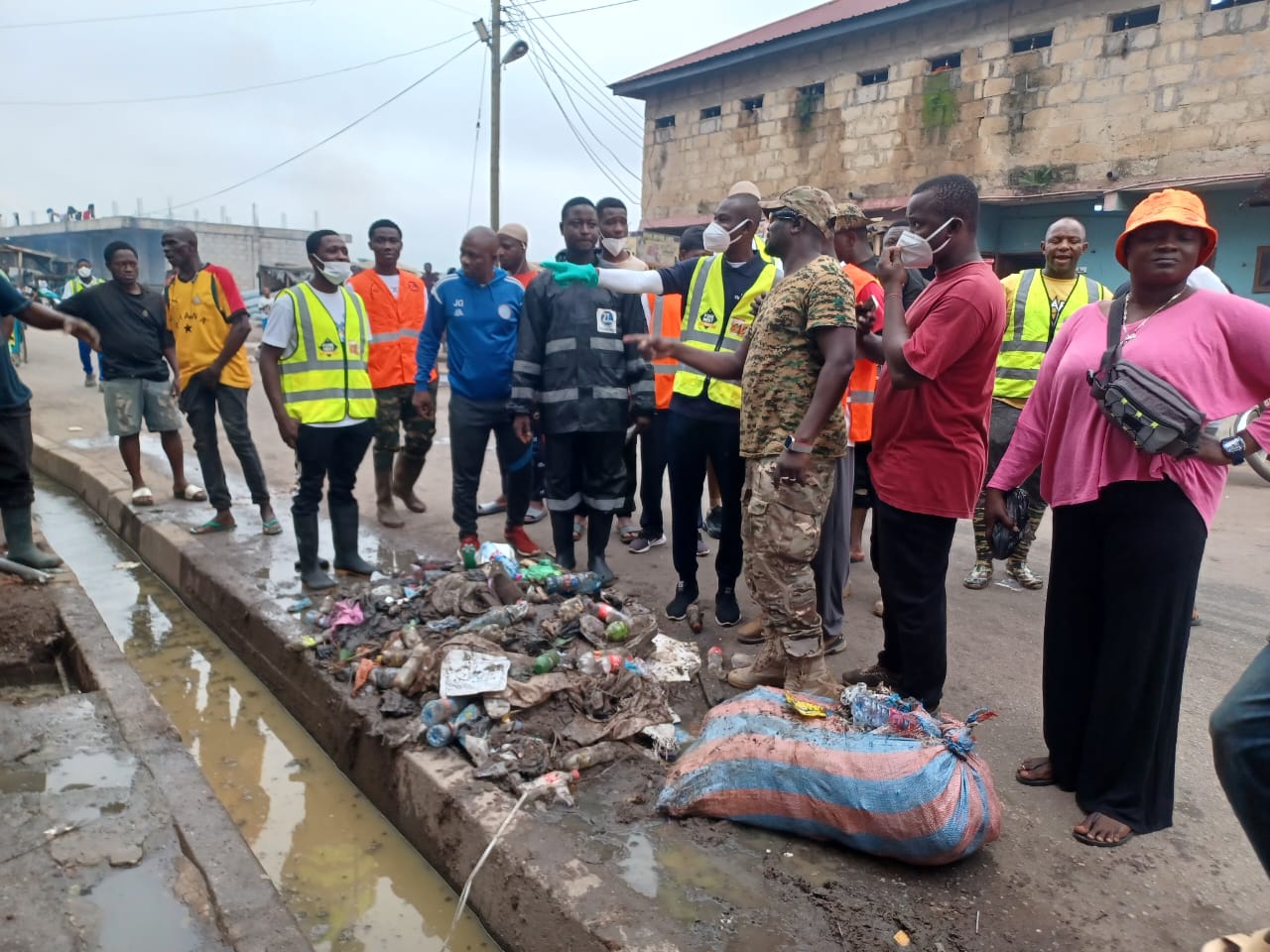
Waste accumulation remains a visible problem in many Ghanaian cities and towns, where uncollected rubbish clogs streets, contaminates water sources, and creates public health hazards. However, the minister's assessment suggests that Ghana has invested in waste management technology and infrastructure—the missing piece is effective organisation that brings these elements together.
This reframing matters significantly. It means solutions do not necessarily require massive new capital investments in modern incinerators or landfill facilities, but rather improvements in how existing systems are managed, funded, and monitored. Better coordination between central and local government, clearer accountability structures, and improved community engagement could deliver tangible results more quickly than waiting for new technology to arrive.
What the Overhaul Aims to Achieve
While specific details of the overhaul plan were not fully elaborated, the initiative appears to focus on:
- Strengthening local assembly capacity to manage waste collection and disposal
- Improving coordination between Metropolitan, Municipal, and District Assemblies
- Enhancing accountability for waste management contractors and officials
- Clarifying funding mechanisms and ensuring resources reach frontline services
Why It Matters for Ghana
Waste management directly affects Ghana's development trajectory. Poor sanitation undermines public health, contributes to disease outbreaks, damages Ghana's international reputation as a tourist destination, and reflects poorly on urban planning and governance. The World Health Organisation and global health agencies have repeatedly linked inadequate waste management to disease transmission, particularly in densely populated areas.
The minister's emphasis on organisation rather than technology suggests a pragmatic approach grounded in Ghana's fiscal reality. Rather than pursuing expensive imported solutions, the strategy focuses on maximising existing resources through better management. This could serve as a model for other municipal services struggling with similar coordination challenges.
If successfully implemented, an organisational overhaul could improve sanitation within months, not years, and would demonstrate that systemic problems can be addressed through governance improvements and institutional reform. This matters particularly for Accra, Kumasi, Takoradi, and other urban centres where waste accumulation is a persistent complaint affecting quality of life and business activity.
The coming weeks will reveal whether this overhaul translates into concrete action plans, timelines, and measurable targets that Ghanaians can track.
Source: 3News




Comments (0)
Be the first to comment.