
Ghana's Local Government Minister Pushes MMDCEs to Prioritise Sanitation as Nation Scales Up Efforts

Ghana's Local Government Minister has issued a fresh charge to Metropolitan, Municipal and District Chief Executives (MMDCEs) across the country to make sanitation a cornerstone of their administrative priorities, signalling renewed government commitment to tackling the nation's waste management challenges.
The call comes as the government acknowledges that the biannual 2-Day National Sanitation exercise, whilst important, remains insufficient on its own to address Ghana's broader sanitation crisis. Officials are now working to establish more frequent and sustained sanitation initiatives that can complement the flagship national campaign.
Scaling Up the National Sanitation Push
The 2-Day National Sanitation exercise has become a visible demonstration of government commitment to cleanliness, bringing together communities, institutions and officials to tackle accumulated waste and improve public spaces. However, the Minister's remarks underscore a critical realisation: sporadic national campaigns alone cannot create the consistent, day-to-day sanitation culture and infrastructure needed for lasting change.
The push for increased frequency of sanitation activities reflects growing recognition among policymakers that sustainable improvement requires regular engagement rather than periodic interventions. This approach aligns with international best practices in public health and environmental management, where consistency and localised responsibility are key drivers of success.
Why It Matters for Ghana
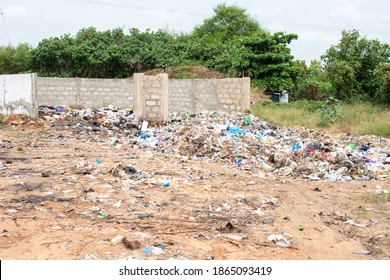
Sanitation remains a pressing development challenge across Ghana. Poor waste management contributes to environmental degradation, waterborne diseases, and diminished quality of life—particularly in densely populated urban areas and underserved communities. The burden falls disproportionately on the poorest Ghanaians, who often lack access to adequate waste disposal systems.
By empowering MMDCEs to prioritise sanitation, the government is devolving responsibility to local administrators who are best positioned to understand and address community-specific challenges. This localised approach has potential to drive more effective implementation than top-down mandates alone. Success will depend on adequate resource allocation, enforcement of sanitation bylaws, and sustained public education.
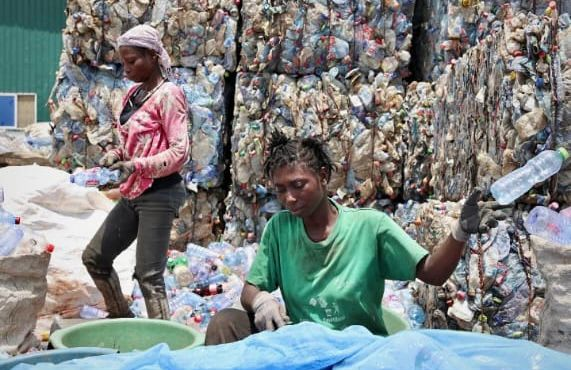
The scaling up of sanitation initiatives could also create employment opportunities in waste collection, recycling and environmental management—sectors that remain underdeveloped in many districts. Improved sanitation infrastructure and practices support broader development goals, including poverty reduction and improved public health outcomes.
The Road Ahead
For this ambition to translate into tangible results, several conditions must be met. MMDCEs will need sufficient budget allocation to fund regular sanitation programmes. Communities must be engaged as active participants rather than passive recipients of government directives. And enforcement mechanisms—including compliance with waste management regulations—must be strengthened at the local level.
The government's acknowledgement that current efforts are inadequate is a positive sign of honest assessment. The next critical phase involves converting this recognition into concrete action: more frequent national exercises, sustained local initiatives, and the institutional reforms necessary to embed sanitation as a non-negotiable governance priority across Ghana's 260 districts and municipalities.
Source: 3News


Comments (0)
Be the first to comment.