Ghana's SME Digital Payment Gap: Why merchant adoption lags despite mobile money success

Ghana's payment revolution has a striking contradiction at its heart: consumers embrace digital transactions enthusiastically whilst businesses lag far behind in adoption. Bank of Ghana data reveals that in June 2026, Ghanaians executed 954 million mobile-money transactions valued at GH¢492.9 billion—a 52% increase from GH¢323.2 billion the previous year. Yet a 2024 census by the Ghana Statistical Service, ISSER and ReFinD found that only 37% of the nation's 1.9 million businesses actually accept or use digital payments. This gap represents both a major challenge and an untapped opportunity for Ghana's small and medium enterprises.
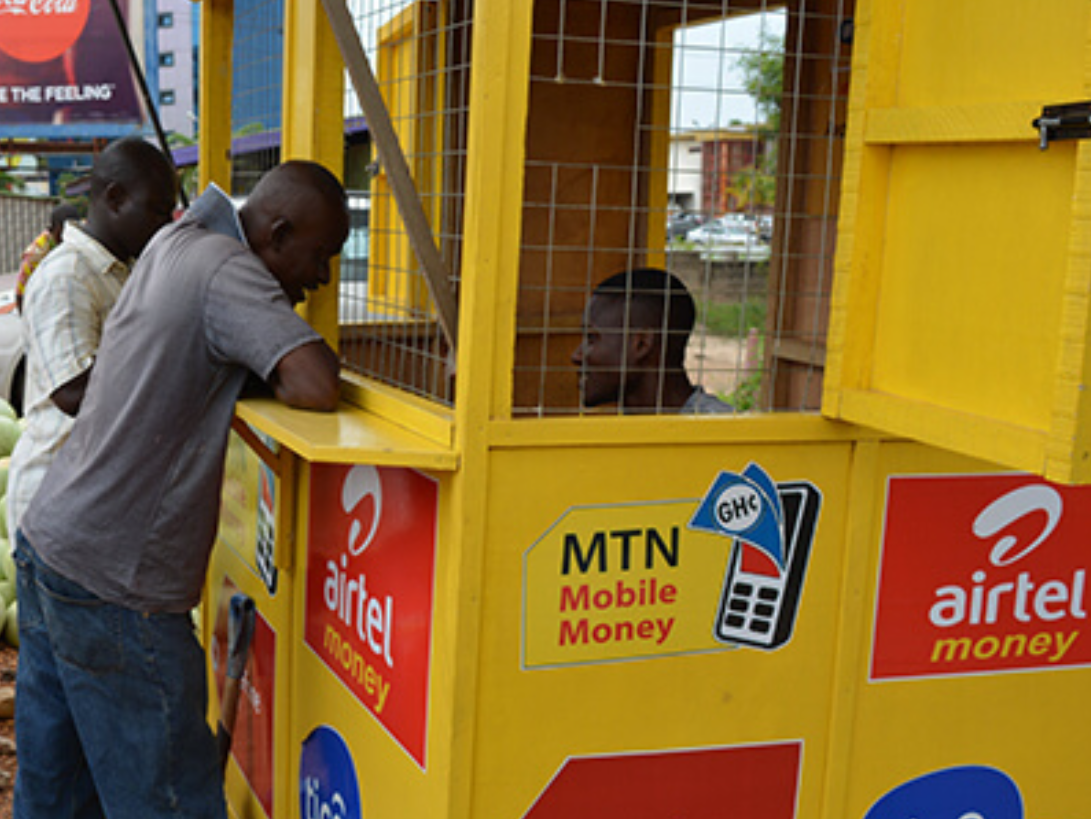
The disconnect between consumer behaviour and merchant adoption is not merely about awareness or access. The infrastructure exists: Ghana has 26 million active mobile-money accounts and 546,000 agents according to Bank of Ghana. The real issue centres on whether businesses perceive digital payments as genuinely useful to their operations, and whether they trust the systems enough to rely on them for critical transactions.
Why the gap matters: Evidence of growth potential
Research shows that when Ghanaian businesses do embrace digital payments—particularly through proper merchant accounts—the results are tangible. The 2024 census found that businesses using formal digital payment infrastructure experience stronger revenue growth, higher employment levels and greater formalization. This suggests the bottleneck is not demand but rather the availability of solutions that work for how Ghanaian SMEs actually operate.
The barriers remain consistent across surveys. Merchants cite two primary concerns: cost of acceptance and security risks. ReFinD's findings highlight that fraud concerns and uncertain returns on investment, combined with knowledge gaps about digital payment management, represent the principal obstacles to wider adoption. These are not philosophical objections but practical, solvable problems.
Frictionless payment solutions designed for Ghanaian reality
The emerging response from payment providers involves moving beyond simple transaction processing toward integrated business infrastructure. Mastercard's collaboration with DPO Group exemplifies this approach. The partnership enables Ghanaian businesses to accept multiple payment methods—mobile money, e-wallets, and cards—from both local and international customers through a single platform, with built-in fraud protection, chargeback support and merchant training included.
The significance lies in integrating payment acceptance into the broader customer experience. Many Ghanaian SMEs operate across multiple channels: a customer might discover the business on social media, place an order online and expect seamless payment completion without platform switching. When payment infrastructure accommodates this reality—supporting physical storefronts, social commerce, and international transactions simultaneously—it becomes genuinely useful rather than an administrative burden.
Equally important is connecting payment systems to complementary financial services. Mastercard's 2024 Boost initiative, launched across six African markets including Ghana, combines digital payment wallets with embedded supply-chain finance for distributors, wholesalers and retailers. This matters because Ghanaian SMEs typically experience purchasing inventory, receiving customer payments, managing cash flow and accessing financing not as separate needs but as interconnected operational cycles.
What this means for Ghana's SME sector
Ghana's next phase of digital payment growth depends on moving beyond simple adoption metrics to genuine utility. The strongest payment ecosystems will accommodate how Ghanaian businesses currently operate rather than requiring them to change their practices. This includes supporting merchants selling through physical locations and digital channels, accepting both mobile money and cards, serving domestic customers and increasingly participating in cross-border commerce.
Mastercard's establishment of its first Accra office in 2025 signals increased focus on addressing both sides of Ghana's payment equation: making acceptance accessible and affordable for merchants whilst building trust through initiatives like the Mastercard Fintech Forum and Fraud and Cyber Resilience Forum. These efforts acknowledge that security concerns are legitimate obstacles requiring direct industry attention, not merely education.
For Ghana's SMEs, the digital payment opportunity is no longer simply about going cashless. It is about accessing payment infrastructure that connects them to customers, financial services and genuine growth pathways. When digital payment systems work alongside inventory financing, customer data and business analytics, they transform from checkout functions into strategic business tools. That transformation—from transaction processing to business enablement—represents where Ghana's payment revolution can genuinely accelerate SME growth.
Source: Ameyaw Debrah

Comments (0)
Be the first to comment.