Ghana's Parliament pushes for law changes to guarantee long-term PIAC funding

Ghana's parliamentary leadership is intensifying efforts to establish permanent, legally-guaranteed funding mechanisms for the Petroleum Income Accountability Committee (PIAC), signalling growing concern about the watchdog institution's operational stability and independence.
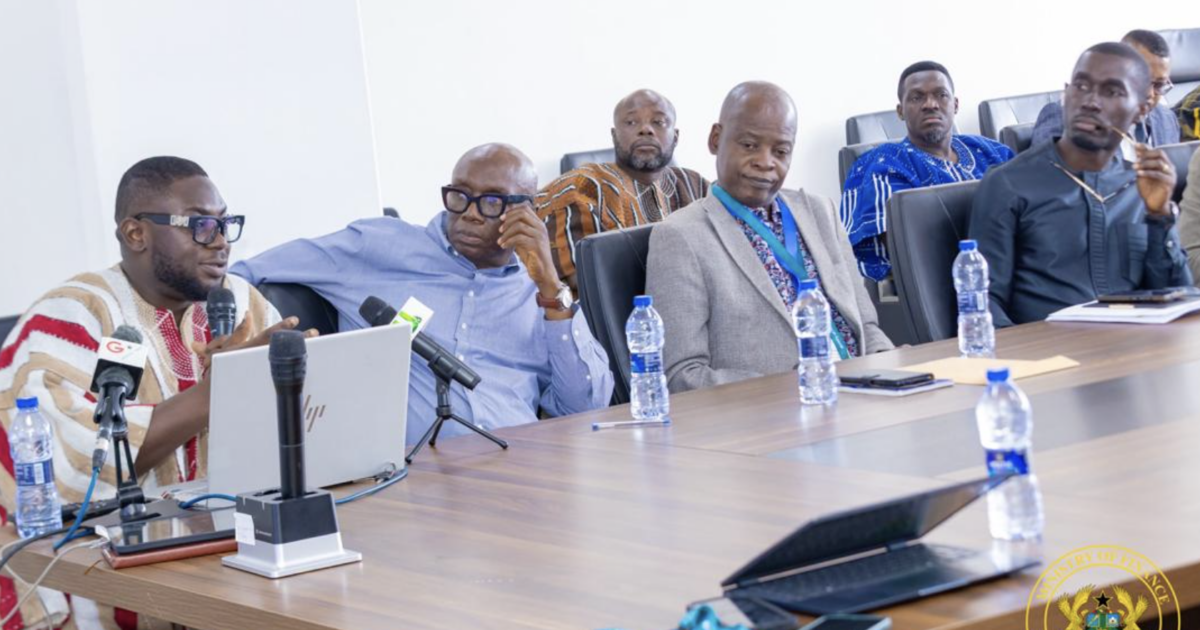
The chairman of Parliament's Finance Committee has publicly called for comprehensive legal reforms designed to insulate PIAC from year-to-year budget uncertainties and potential political pressure through the appropriation process. This intervention highlights systemic vulnerabilities in how Ghana's petroleum oversight body secures its operational resources.
Understanding PIAC's role in Ghana's oil economy
Created in September 2011 under Section 51 of the Petroleum Revenue Management Act, 2011 (Act 815), PIAC was established as the institutional safeguard for transparency and accountability in Ghana's petroleum sector. The committee's mandate includes scrutinising how the government manages revenues from oil extraction, ensuring these resources serve public interest rather than enriching connected individuals or fuelling corruption.
For over a decade, PIAC has functioned as a critical institutional check on petroleum spending, producing reports and recommendations on how the state deploys oil wealth. However, the organisation's effectiveness has periodically been hampered by funding gaps and operational constraints that undermine its capacity to conduct thorough investigations and public engagement.
Why it matters for Ghana
Ghana's petroleum revenues represent a significant portion of government income and foreign exchange earnings. Poor management, corruption or lack of accountability in this sector directly impacts public services, infrastructure development and long-term economic stability. A well-resourced, independent PIAC strengthens democratic oversight and helps prevent the misallocation of resources that could otherwise fund healthcare, education and critical infrastructure.
The call for legal reforms reflects parliamentary recognition that current budget appropriation processes—where PIAC funding is subject to annual legislative approval like other government bodies—create structural weaknesses. Without guaranteed funding streams written into law, PIAC may face budgetary pressure during politically sensitive investigations or when examining government spending decisions.
This vulnerability becomes particularly acute during election cycles or when administrations seek to limit scrutiny of their petroleum management record. Sustainable, legally-mandated funding would strengthen PIAC's operational independence and its ability to function without fear of resource starvation.
The path forward
The Finance Committee's advocacy suggests Parliament recognises that transparency in petroleum management serves Ghana's long-term interests. Legislative reforms could establish dedicated revenue sources for PIAC—potentially from petroleum funds themselves—ensuring the institution receives predictable resources regardless of annual budgetary fluctuations or political considerations.
Such reforms would align with international best practices in resource-rich countries, where independent accountability bodies typically enjoy constitutional or statutory protection for their funding. Successful implementation could position Ghana as a model for transparent petroleum governance across West Africa and the broader African continent.
Source: 3News

Comments (0)
Be the first to comment.