Parliament recalled for September 29 sitting as Speaker Bagbin calls urgent session

Speaker of Parliament Alban Bagbin has formally summoned the legislative body to reconvene on Tuesday, September 29, 2026, at 12 noon, marking a scheduled return to parliamentary business following what is likely a recess period.
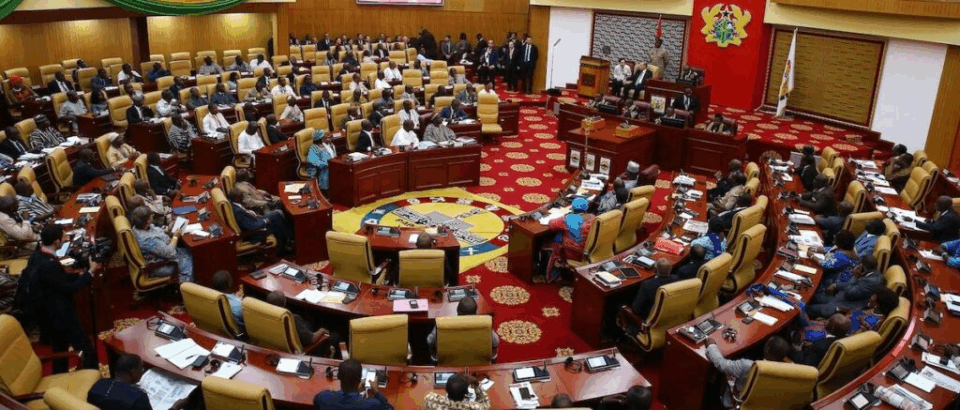
The summons, issued through official parliamentary channels, indicates that lawmakers across Ghana's 275-member chamber will be expected to be present for the sitting. The recall comes as Parliament typically operates on a calendar of scheduled recesses and sittings throughout the year, with the Speaker having authority to call special sessions or recall Parliament when legislative business requires attention.
Parliamentary business and legislative calendar
Ghana's Parliament operates on an annual calendar that includes regular sittings interspersed with recess periods. These breaks allow lawmakers to engage in constituency work, committee assignments, and other parliamentary duties outside the main chamber. The September 29 sitting appears to be part of the regular legislative schedule, though the specific agenda items for discussion have not been detailed in the recall notice.
The timing of parliamentary sittings is critical for Ghana's governance structure, as the legislature is responsible for passing legislation, scrutinising government action, and approving budgetary allocations. Regular and punctual sittings are essential for the smooth functioning of the nation's democratic processes.
Why it matters for Ghana
Parliamentary sittings directly impact Ghana's governance and democratic accountability. When Parliament is in session, lawmakers debate policy issues, pass legislation affecting citizens' lives, and hold the Executive branch accountable through parliamentary questions and committee oversight. The recall ensures that legislative work continues uninterrupted and that pressing national matters receive parliamentary attention.
For ordinary Ghanaians, parliamentary sittings determine the pace at which new laws are debated and passed, whether concerning education, healthcare, infrastructure, or economic policies. A functioning, regularly scheduled Parliament is fundamental to transparent governance and represents one of the key institutions through which Ghanaians' interests are represented at the national level.
The September 29 sitting also falls within a significant period in Ghana's political calendar, and parliamentary business during this time may touch on matters of national importance, budget preparations, or responses to pressing national challenges.
What to expect
Parliament typically publishes a detailed order of business ahead of each sitting, outlining which bills will be debated, ministerial statements to be delivered, and other legislative matters on the agenda. Citizens and civil society organisations can follow parliamentary proceedings through official channels, including the Parliament of Ghana website and live broadcasts of sittings, ensuring transparency in the legislative process.
The Speaker's summons is routine administrative procedure but signals that Ghana's legislature remains active and engaged in its constitutional duties to the nation.
Source: 3News

Comments (0)
Be the first to comment.