Parliament Must Act Now to Unlock Stalled Mining Community Projects, MSG Warns
Ghana's mining host communities are watching critical development projects grind to a halt as delays in mineral royalty disbursements persist, prompting the Extractive Sector Multi-Stakeholder Group (MSG) to call on Parliament to take decisive action against defaulting State agencies.
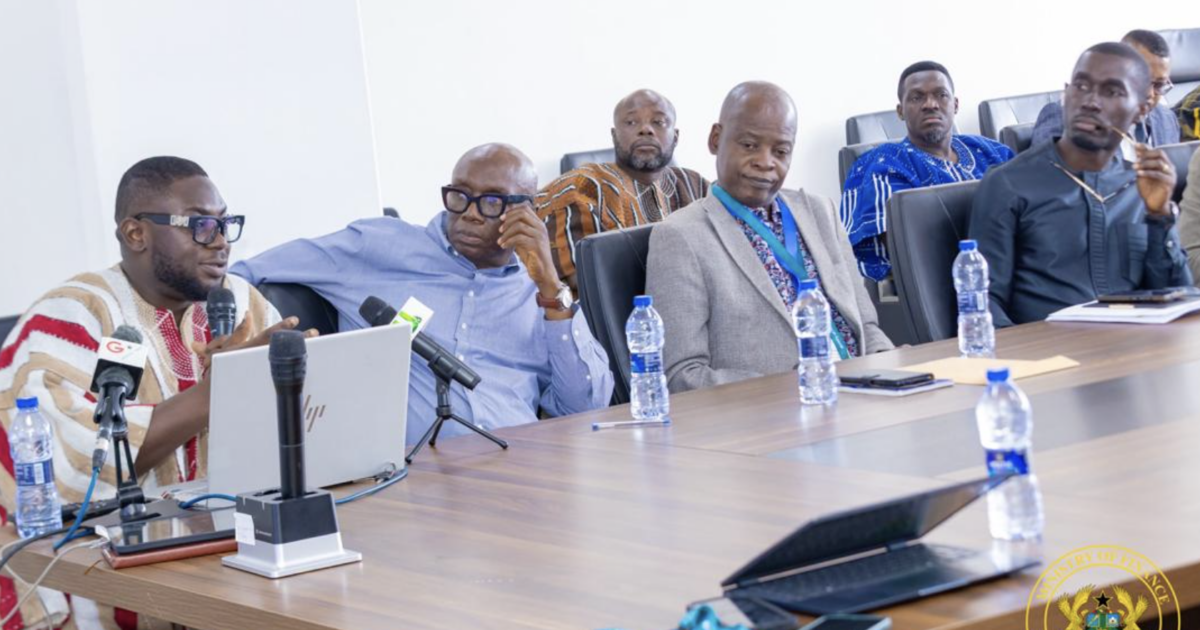
At a media briefing on the 2023 Ghana Extractive Industries Transparency Initiative (GHEITI) Report in Accra, Dr Emmanuel Steve Asare Manteaw highlighted how payment delays are sabotaging local planning efforts and breaching the promises made under the Minerals Development Fund Act. The problem, he argues, is not the law itself but Parliament's failure to enforce it.
The Breakdown: Where Royalties Should Go
Under the Minerals Development Fund Act 2016 (Act 912), mineral royalties are split according to a strict statutory formula designed to ensure mining communities share directly in Ghana's mineral wealth. District assemblies receive 55 per cent of local government allocations, while mining-affected communities themselves get 25 per cent, with traditional councils claiming 20 per cent. The structure is sound; the execution is broken.
Dr Manteaw painted a stark picture of the consequences. Development initiatives in beneficiary communities have stalled, and the uncertainty surrounding payment timelines means local authorities cannot plan with any confidence. "Communities don't know when money will arrive, if at all," the situation effectively signals—a recipe for frustration and wasted planning cycles.
The MSG is calling for three critical reforms: Parliament must summon State institutions to account for delays, demand public disclosure of all outstanding payments and responsible agencies, and strengthen oversight mechanisms to ensure the Minerals Development Fund Act is actually obeyed.
Why It Matters for Ghana
This is not merely a procedural complaint. Ghana's mining sector is a cornerstone of national revenue, and the Minerals Development Fund represents a social contract with communities that bear the environmental and social costs of extraction. When that contract breaks down, it erodes trust in governance and undermines the legitimacy of the sector itself.
The delays also have compounding effects. Mining communities miss windows for infrastructure investment, health facilities remain undersupplied, and educational facilities deteriorate. Meanwhile, Parliament—which passed Act 912 with full knowledge of its obligations—remains largely silent on enforcement.
Patrick Nomo, Co-Chair of the GHEITI Multi-Stakeholder Group and Chief Director at the Ministry of Finance, acknowledged that reforms to the mineral royalty regime have improved management in some respects. However, he warned that revenue leakages and weak inter-institutional coordination continue to undermine the sector's contribution to national and local development.
The Path Forward
Both officials called for stronger institutional collaboration and better data management systems. The MSG has made clear that evidence-based policy reform must follow, backed by real accountability. Government reaffirmed its commitment to using GHEITI findings to drive policy change and strengthen extractive sector transparency.
The question now is whether Parliament will match those commitments with action. Without enforcement, even well-designed legislation becomes merely words on paper—and mining communities will continue waiting for cheques that should have arrived months ago.
Source: MyJoyOnline



Comments (0)
Be the first to comment.