
Gabon's President hails Ghana's mining reforms as continental model for resource transparency
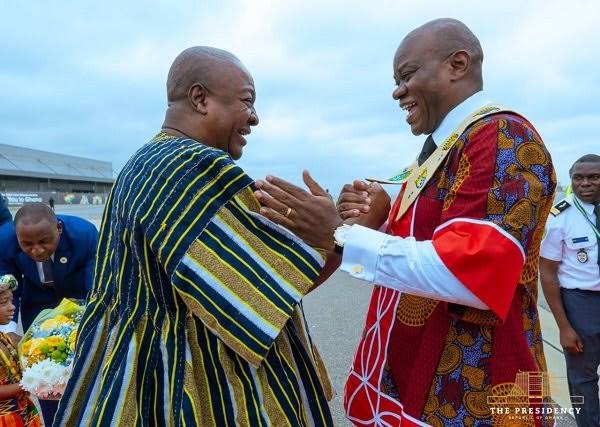

During an official state visit to Ghana, President Brice Clotaire Oligui Nguema of Gabon has publicly endorsed Ghana's ongoing mining sector reforms, positioning the country as a continental leader in extractive industry governance. His remarks underscore growing recognition across Africa that stronger regulatory frameworks and transparency in mining are essential to maximising national benefit from natural resource wealth.
The Gabonese President singled out Ghana's commitment to transparency, improved governance and greater value addition as key achievements worthy of emulation. He noted that Ghana's approach positions the nation as a model for other African countries struggling to extract maximum economic value from their mineral endowments—a critical issue given that many African nations remain dependent on exporting raw materials rather than processed goods.
Ghana's mining reforms and their scope
Ghana's government has approved significant amendments to the Minerals and Mining Act, 2006, marking one of the most substantial overhauls of the mining legal framework in recent years. Among the key proposals is a cap on mining lease durations at a maximum of 20 years, addressing long-standing concerns about the length of concessions granted to foreign and domestic operators.
The reforms also streamline the licensing system by consolidating reconnaissance and prospecting licences into a single Exploration Licence, valid for a maximum of five years. These changes aim to tighten regulatory oversight, reduce administrative complexity and create clearer pathways for monitoring compliance with environmental and operational standards.
President Nguema particularly highlighted the importance of local processing of natural resources. Both Ghana and Gabon, he noted, are pursuing domestic value-addition policies—Ghana through cocoa processing and Gabon through manganese transformation—rather than simply exporting unprocessed materials. This shift, he argued, enables African nations to create more wealth, generate employment for youth and accelerate industrial development across the continent.
Why it matters for Ghana
Ghana's mining sector remains a cornerstone of the national economy, contributing significantly to government revenue, foreign exchange earnings and employment. However, the industry has faced persistent criticism over transparency issues, environmental degradation and the relatively low proportion of revenues captured by the state compared to global commodity prices. Mining accounts for a substantial share of Ghana's exports, particularly gold, but dependence on raw material exports leaves the economy vulnerable to price fluctuations.
The current reforms represent a deliberate effort to address these structural challenges. By strengthening governance frameworks and promoting local processing, Ghana aims to increase the domestic value captured from mining activities, reduce revenue leakage and create downstream employment in processing and manufacturing. International endorsement of these reforms—such as President Nguema's public backing—strengthens Ghana's position in continental and global discourse on responsible mining practices.
For Ghanaian workers, youth and communities affected by mining operations, stricter lease terms and better governance could translate into improved environmental protection, fairer benefit-sharing and more jobs in downstream industries. The reforms also signal to investors that Ghana is committed to sustainable, well-regulated mining, potentially attracting investment in more complex, value-added operations rather than simple extraction.
President Nguema's visit and his support for Ghana's reforms occurs during bilateral engagements focused on deepening cooperation in trade, investment and natural resource management between the two West African nations, reflecting shared challenges and opportunities in the extractive industries sector.
Source: MyJoyOnline



Comments (0)
Be the first to comment.