Star Oil returns to COMAC, demands overhaul of oil industry chamber governance
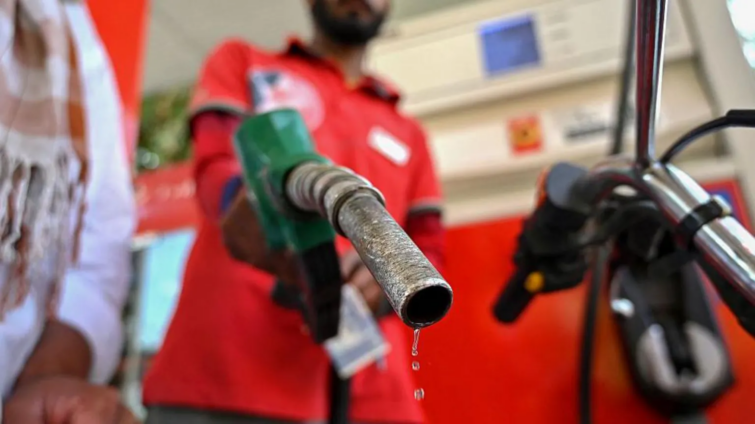
Star Oil Ghana Limited has rejoined the Chamber of Oil Marketing Companies (COMAC) following a nine-month suspension, but the company is using its return as leverage to demand significant governance reforms within the industry body that represents the country's downstream petroleum sector.
The oil marketer announced its decision in a formal letter dated October 1, 2026, to COMAC's leadership, ending a dispute that began when Star Oil suspended membership in January 2026 over concerns that the Chamber was not adequately representing members' collective interests. However, the company's return comes with conditions.
Challenging the founding members' grip on power
At the heart of Star Oil's complaint is COMAC's constitutional structure, which grants permanent board representation to three founding members regardless of their current market relevance or contribution to the industry. Star Oil argues this arrangement is outdated and antidemocratic, concentrating too much influence in the hands of a small group while excluding the broader membership from meaningful participation in leadership.
The company points out that Ghana's oil and gas downstream sector has transformed significantly since COMAC's establishment. Market dynamics, company sizes, investment levels, and competitive positions have all shifted considerably, yet the governance framework remains frozen in time, privileging historical status over current performance or stake in the industry.
Star Oil's CEO Philip Tieku highlighted another practical weakness: some of the permanent board members do not consistently attend meetings represented by their senior decision-makers. This, the company argues, undermines the quality and speed of the Chamber's decision-making when critical industry issues need urgent attention.
Why this matters for Ghana's oil sector
COMAC plays a crucial role as the voice of oil marketing companies in Ghana, engaging with the National Petroleum Authority, government officials, and other stakeholders to shape policy affecting fuel distribution and pricing. A governance structure perceived as undemocratic or unrepresentative risks weakening the Chamber's legitimacy and effectiveness at a time when Ghana's energy sector faces pressures including fuel price volatility, import competitiveness, and regulatory compliance.
Star Oil's push for transparent, periodically renewable board elections instead of permanent seats reflects broader corporate governance trends globally, where legitimacy and accountability increasingly depend on inclusive, merit-based leadership selection rather than historical privilege. If adopted, such reforms could set a precedent for how industry associations in Ghana manage representation and decision-making.
The company's willingness to suspend and then conditionally rejoin COMAC suggests that other members may share similar frustrations but lack the leverage or visibility to raise them publicly. Star Oil's challenge could open debate about fairness and modernisation within the chamber.
The path forward
Star Oil has framed its return not merely as a passive membership renewal but as an active commitment to reform. The company plans to work with fellow members to push COMAC towards a more representative structure. Whether the founding members and the Chamber's current leadership accept these calls for change remains to be seen, but the initiative marks a significant moment of internal pressure within Ghana's oil marketing community.
The downstream petroleum industry in Ghana, which handles fuel distribution to retailers and consumers nationwide, depends on stability and cohesion among its major players. If governance disputes persist unresolved, they risk fragmenting the sector's collective voice and weakening its ability to negotiate effectively with government and regulators on issues like price controls, import duties, and market regulation.
Source: The Ghana Report

Comments (0)
Be the first to comment.