Ghana's mining firms commit to historic gold reserve deal with government
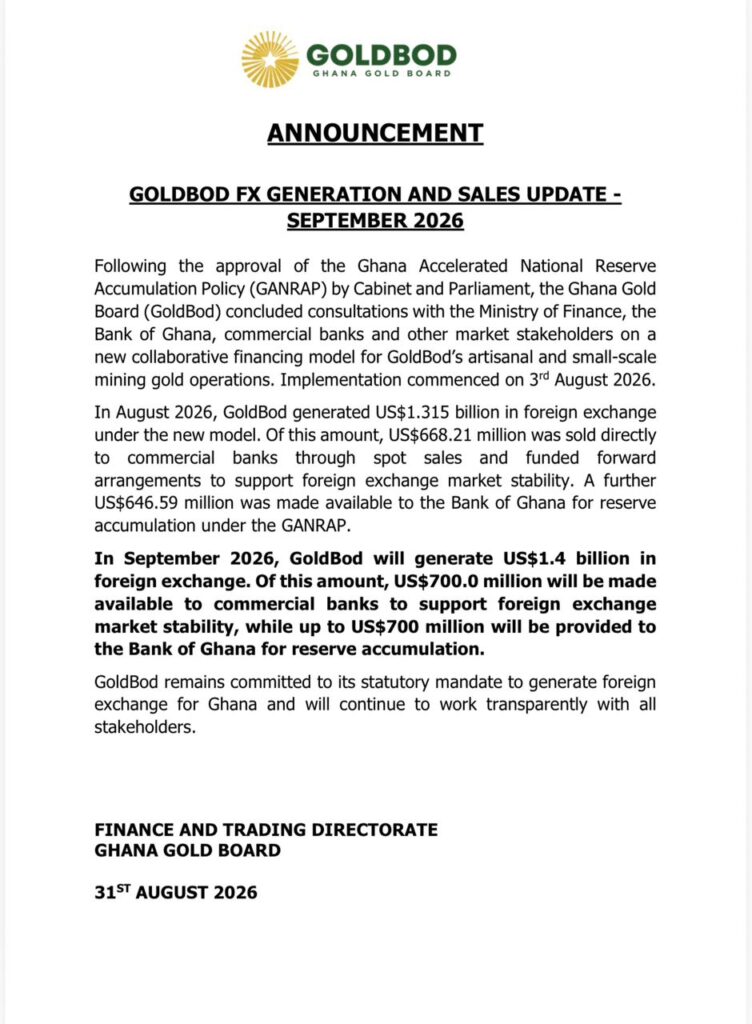
Ghana's government and large-scale mining companies have formalised a landmark agreement designed to bolster the country's foreign exchange reserves by channelling locally-mined gold through domestic processing. Under the Ghana Accelerated National Reserve Accumulation Programme (GANRAP), mining firms will sell 30 percent of their annual gold production to the Ghana Gold Board for refining before the processed metal is transferred to the Bank of Ghana's reserves.
The Memorandum of Understanding, signed by the Ministry of Finance, Ministry of Lands and Natural Resources, the Ghana Gold Board, the Bank of Ghana, and the Ghana Chamber of Mines, represents a significant shift in how Ghana approaches reserve management. Rather than relying primarily on external borrowing or traditional foreign currency sources, the policy leverages the country's substantial gold wealth to build economic resilience.
Building reserves without heavy borrowing
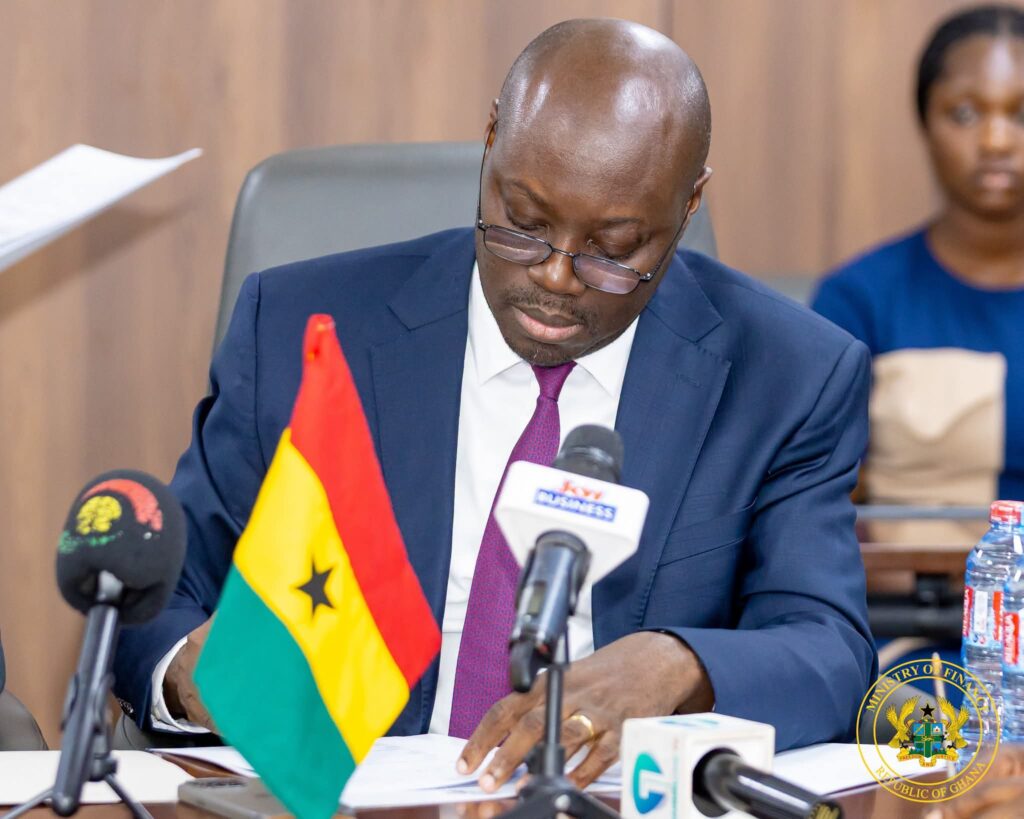
Finance Minister Dr. Cassiel Ato Forson emphasised that the agreement concluded months of negotiations between government and industry stakeholders. The arrangement allows a substantial portion of mined gold to remain within Ghana's economy, undergo local refining, and strengthen the central bank's reserve position.
The immediate goal is to accumulate reserves equivalent to 15 months of import cover—a critical buffer that protects the country during international economic shocks, currency pressures, and external financing challenges. This target represents a meaningful increase from Ghana's historical reserve levels and would provide significantly greater financial stability.
Dr. Forson described the signing as a watershed moment in Ghana's efforts to reduce dependence on overseas borrowing, which has become increasingly costly as global interest rates have risen. By systematically converting domestically-produced gold into reserve assets, Ghana can strengthen its balance sheet while generating the foreign exchange needed to stabilise the cedi and support economic activity.
Industry backing and implementation challenges
The Chamber of Mines and its member companies have thrown their weight behind GANRAP, recognising that macroeconomic stability directly benefits mining operations. Chief Executive Officer Dr. Kenneth Ashigbey noted that a predictable, stable economic environment is essential for sector growth and investor confidence. The mining industry's voluntary 30 percent commitment reflects this mutual interest in national financial health.
Both the Ministry of Lands and Natural Resources and Bank of Ghana acknowledged that GANRAP is new and untested, requiring flexibility as implementation proceeds. Minister Emmanuel Armah-Kofi Buah pledged ongoing cooperation to address emerging challenges, whilst Governor Dr. Johnson Pandit Asiama committed the central bank to maximising the agreement's benefits for Ghanaians.
The Chamber of Mines has already begun exploring opportunities for establishing internationally-accredited gold refineries domestically, which could create jobs and retain more value within Ghana's economy. This development phase remains critical to ensuring the policy delivers lasting economic gains beyond reserve accumulation.
Why it matters for Ghana
For ordinary Ghanaians, this agreement offers tangible economic benefits. Stronger foreign reserves mean a more stable currency, lower inflation pressures, and reduced vulnerability to external shocks. During crises—such as global recessions or commodity price collapses—adequate reserves allow government to maintain essential services and protect employment without resorting to emergency borrowing at punitive rates.
Historically, Ghana has struggled with reserve adequacy, creating vulnerability to sudden capital outflows or foreign exchange crises. GANRAP offers a systemic solution by converting Ghana's most valuable natural resource into institutional strength. As the policy takes shape, success will hinge on consistent gold flows, efficient local refining capacity, and disciplined reserve management by the Bank of Ghana.
The agreement also signals that government and industry can collaborate on strategic priorities, though sustained cooperation will be tested during implementation as unforeseen obstacles emerge.
Source: MyJoyOnline


Comments (0)
Be the first to comment.