
Ghana's garment makers need urgent government backing, Bawumia warns amid regional competition

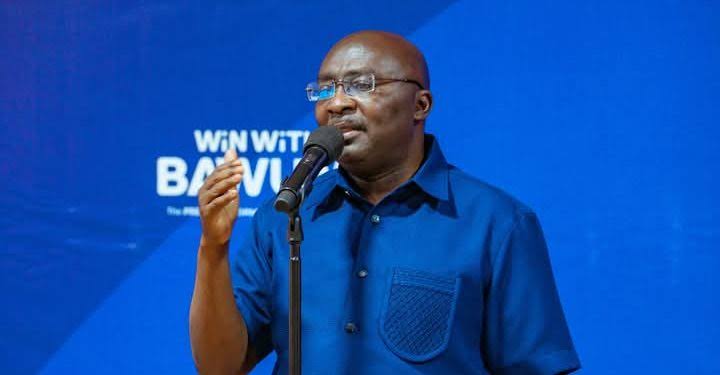
Ghana's garment and apparel industry is being starved of the government support needed to compete globally, former Vice-President Dr Mahamudu Bawumia has warned, calling for an urgent policy shift to unlock the sector's potential for job creation and economic growth.
Speaking after consultations with the Association of Garment and Apparel Manufacturers, Dr Bawumia highlighted a stark disparity: whilst neighbouring countries like Bangladesh and Benin have invested heavily in their textile industries, Ghana has lagged behind in providing comparable institutional and financial backing. This gap, he argued, is costing the nation in lost opportunities and weakened international competitiveness.
The competitiveness gap
The garment sector remains a critical pillar of Ghana's manufacturing economy, yet local producers face structural disadvantages that make it difficult to compete on global markets. Production costs, access to credit, inadequate infrastructure, and limited export promotion have all been cited as persistent barriers. Dr Bawumia's remarks suggest these challenges require more than piecemeal interventions—they demand a comprehensive rethink of how government supports the industry.
The former Vice-President's engagement with manufacturers focused specifically on the practical constraints they face daily: sourcing raw materials, scaling production, meeting international quality standards, and securing stable export markets. These are not abstract policy concerns; they directly affect whether Ghanaian factories can retain workers, invest in new equipment, and expand operations.
Why it matters for Ghana
The garment industry's struggles have broader implications for the Ghanaian economy. The sector has historically been a significant employer, particularly for women and workers in coastal and urban regions. Without adequate support, factories may downsize, relocate to countries with better incentives, or close entirely—taking jobs and tax revenue with them.
Moreover, a weak domestic garment sector means Ghana remains dependent on imported clothing and textiles, draining foreign exchange. By contrast, countries that have invested in their apparel industries have built export-led growth, developed supply chain ecosystems, and created pathways out of poverty for thousands of workers and their families.
The timing of these consultations is significant. Ghana's manufacturing sector has faced headwinds in recent years due to energy costs, exchange rate volatility, and competition from cheaper imports. Policy makers at all levels—whether incoming or incumbent—will need to make strategic choices about which sectors to prioritise. The garment industry's advocates are making a case that it deserves to be high on that list.
Next steps and expectations
Dr Bawumia indicated that feedback from manufacturers would inform future policy proposals. This suggests a process of formal consultation and evidence-gathering is underway. Whether these recommendations translate into concrete action—such as tariff protection, export subsidies, skills training programmes, or infrastructure investment—will depend on political will and budgetary priorities.
The broader context matters too. Ghana competes not just with Bangladesh, a global garment powerhouse, but also with Benin and other West African producers seeking the same export markets and foreign investment. Without decisive government backing, the risk is that Ghanaian manufacturers will continue to lose ground, with consequences for employment, industrial capacity, and regional economic influence.
Source: The Ghana Report


-1200x1472.webp)
Comments (0)
Be the first to comment.