Ghana's Flood Crisis Demands Long-Term Strategy, Not Emergency Fixes – Expert

Continuous Planning Needed to Break Accra's Flood Cycle
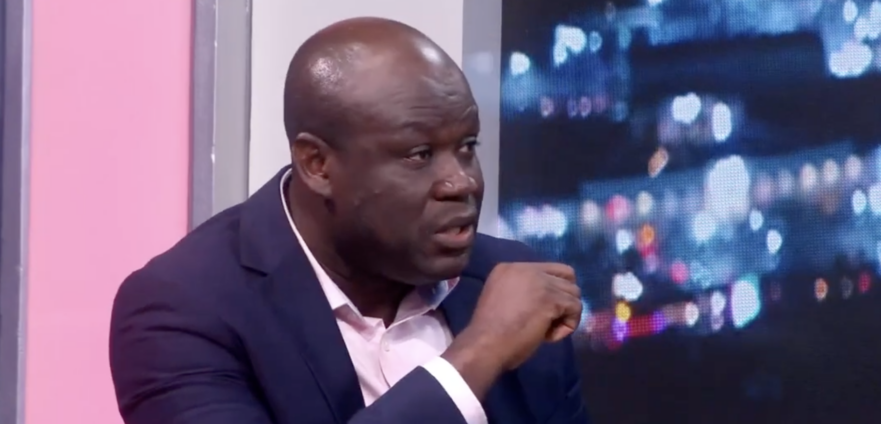
A senior governance expert has called out Ghana's reactive approach to flooding, arguing that the country must shift from emergency response to systematic, long-term mitigation planning. Speaking on JoyNews, ED Andrews, an Operational Governance and Risk Management Expert, warned that disaster management in Ghana remains fundamentally broken because authorities respond only after homes are destroyed and lives lost.
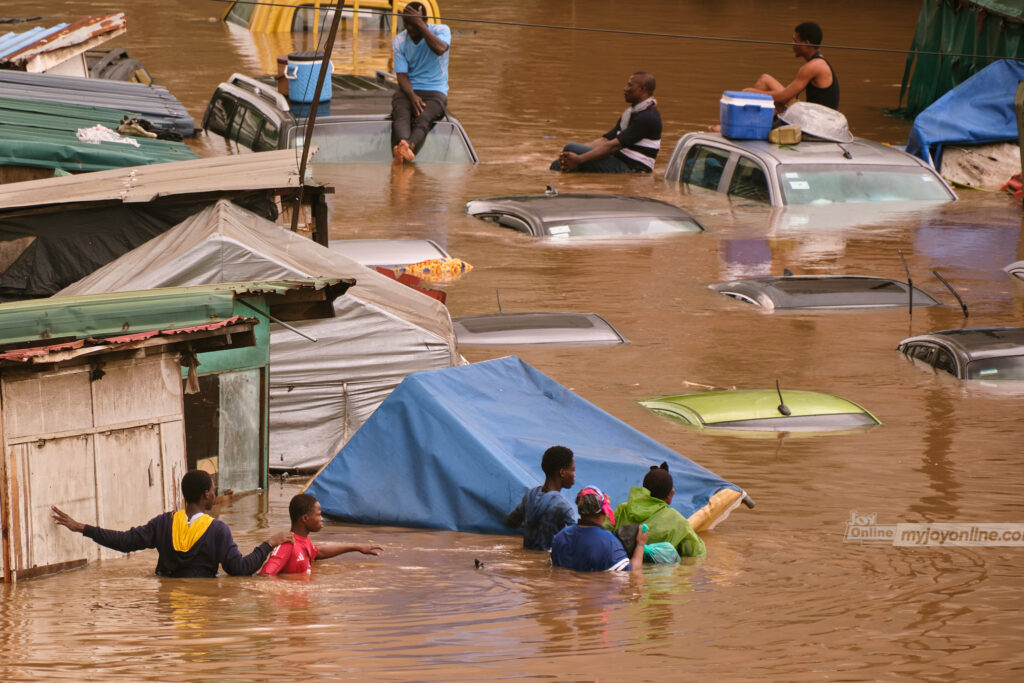
According to Andrews, rainfall data reveals a troubling pattern: Accra experiences major flooding events roughly every 10 years. Historical records show this cycle stretching back to 1990, with recent downpours proving the threat is predictable and preventable through proper planning. Recent rainfall figures—including 243.9mm in a single hour on July 3—demonstrate the scale of the threat, yet state agencies appear caught off guard each time.
Andrews emphasised that effective disaster management follows a cycle: mitigation, preparedness, response, and recovery. Ghana has collapsed this into response alone. "Preparedness is not just about reaction after disaster strikes," he explained, highlighting the absence of practical rescue drills, simulations, or coordinated exercises between key agencies like NADMO and the military. "There are no simulations," he said, describing this gap as a "massive failure."
On mitigation efforts, Andrews acknowledged the Greater Accra Resilient and Integrated Development (GARID) project contains promising infrastructure plans. However, success depends on full implementation and sustained commitment beyond one-off interventions. Without embedding preparedness into institutional practice and maintaining mitigation investments, Ghana will remain vulnerable to the predictable cycle of devastating floods.
Source: MyJoyOnline

Comments (0)
Be the first to comment.