Ghana's Flood Crisis: A Decade After June 3, Why Structural Solutions Keep Failing
A Pattern of Broken Promises
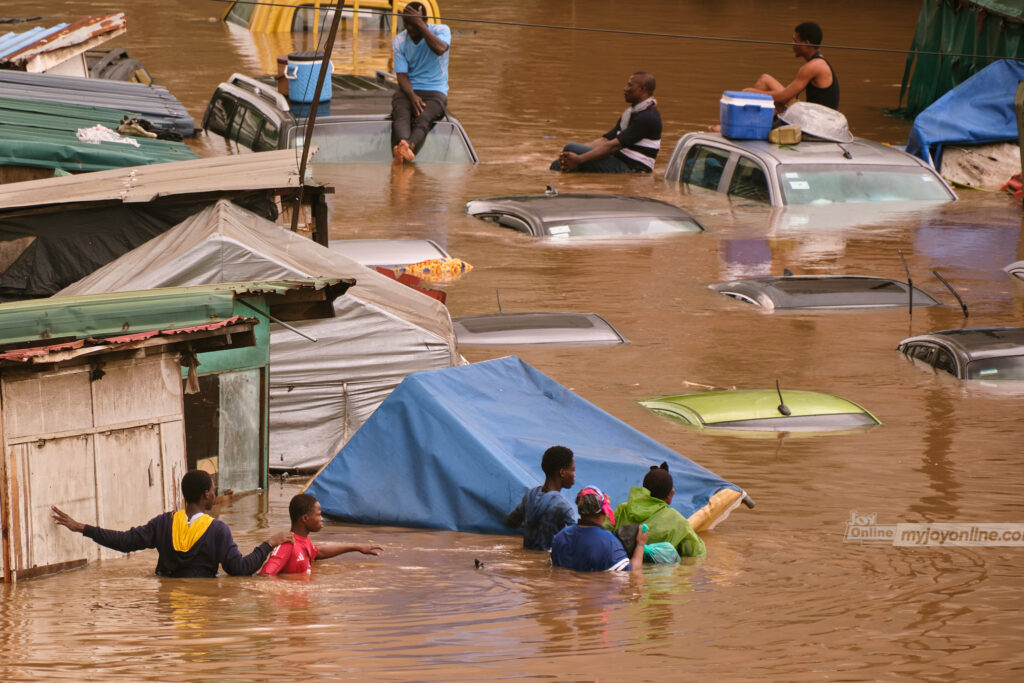
Every rainy season follows the same script in Ghana: streets flood, officials visit affected communities with promises of action, waters recede, and nothing structurally changes. Since June 3, 2015—when flooding and a fuel station explosion killed approximately 150 people and destroyed properties worth an estimated $50 million—Ghana has commemorated the disaster annually whilst the conditions that caused it remain largely unaddressed.
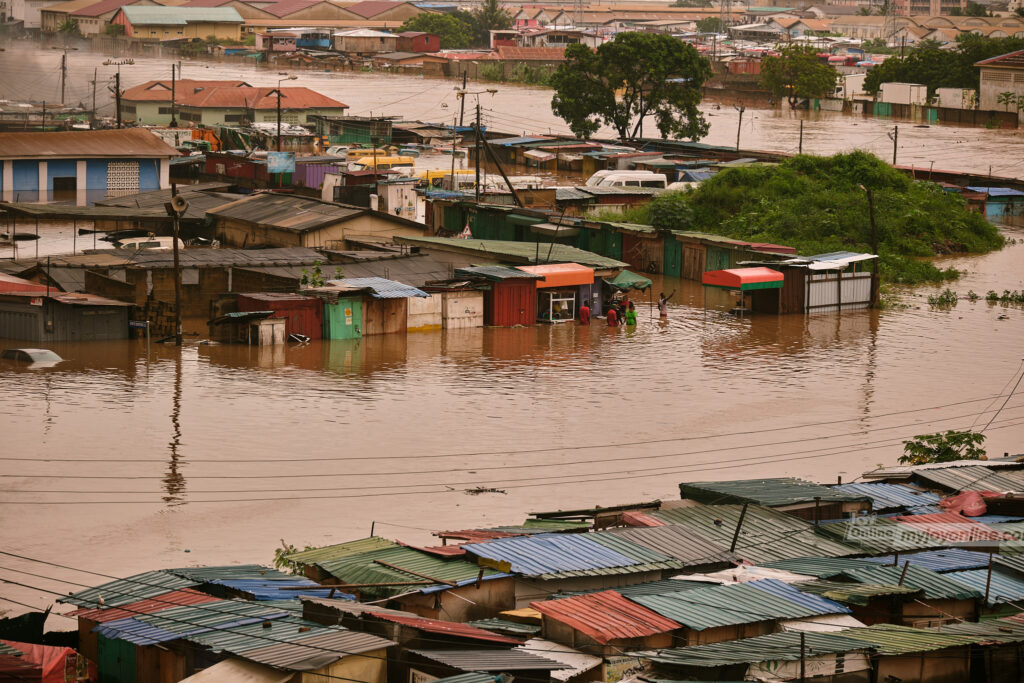
The historical record is stark. From the 1959 rainfall that brought Accra to a standstill through the 1999 floods that displaced nearly 300,000 people across five regions, to more recent devastation in May 2025 (which killed five and displaced 3,000) and June 2026 (which submerged central Accra within hours), the pattern repeats. Yet research published in 2025 found no statistical correlation between increased rainfall intensity and rising flood frequency—meaning Ghana's crisis is not an act of nature, but a failure of human planning.
The Real Culprits: Encroachment and Institutional Chaos
Analysis by the GARID project reveals that 16% of legally designated 25-metre drainage buffer zones in Greater Accra have been lost to encroachment. Across sampled areas, over 10,497 structures now sit illegally within drainage buffers—blocking natural water flow. Ga North saw encroached structures nearly double from 1,049 to 2,261 in recent years.
Compounding the problem, responsibility for drainage and flood control is scattered across multiple agencies whose administrative boundaries rarely align with natural watershed boundaries. This fragmentation ensures no single authority owns the problem—and therefore no one solves it.
A Path Forward Exists
Countries worldwide have faced identical challenges and emerged stronger through collective commitment to rule of law, proper land use enforcement, and integrated watershed management. Ghana possesses the technical knowledge and resources needed. What remains is the political will to enforce drainage buffer protection, integrate fragmented agencies, and prioritise long-term resilience over short-term political convenience.
Source: MyJoyOnline


Comments (0)
Be the first to comment.