ISSER Calls on Government to Massively Boost Sanitation Spending, Warning Poor Waste Management Costs Ghana Billions
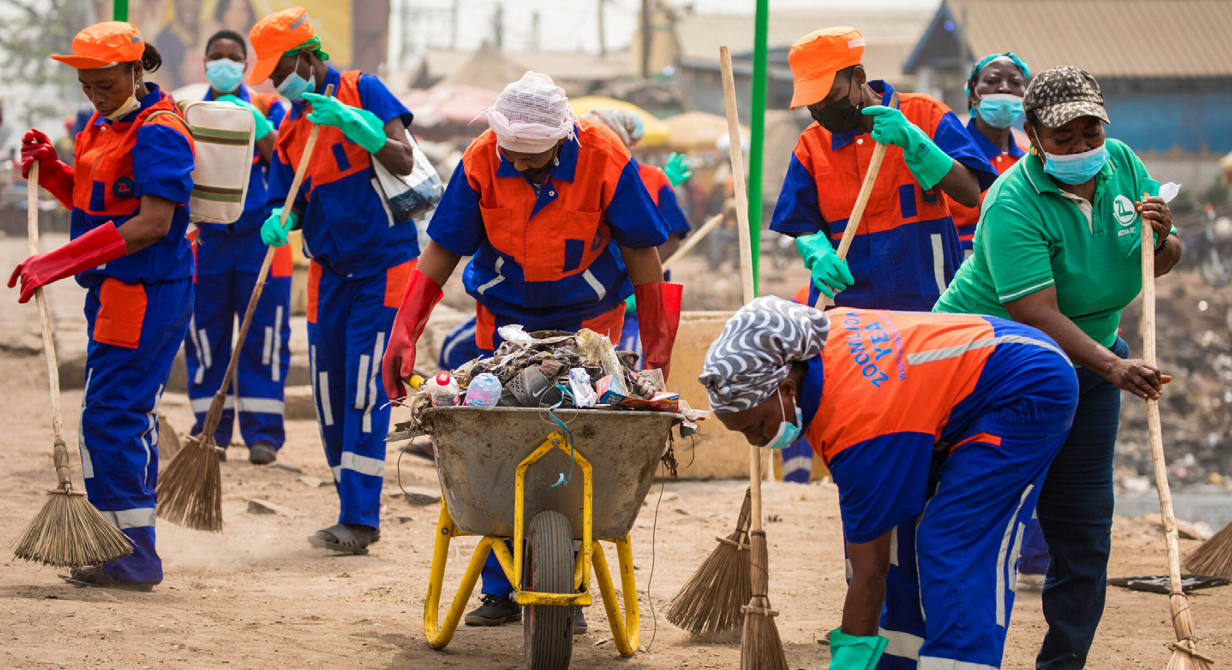
The Institute of Statistical, Social and Economic Research (ISSER) has issued a strong call to government to dramatically increase funding for sanitation and waste management, warning that the current level of spending falls well below international standards and is draining the national economy through avoidable healthcare costs and reduced productivity.
In a newly released policy brief titled Waste or Wealth? The Economic Returns to Sanitation Investment in Ghana, the University of Ghana-based institute argues that sanitation must be repositioned from a routine environmental expense to a core national investment. The report recommends that Ghana align its waste management spending with benchmarks set by comparable lower-middle-income countries, stating that current expenditure is significantly short of best practice.
Urban and Flood-Prone Communities Must Be Prioritised
ISSER is urging government to direct targeted investment towards densely populated urban areas, flood-prone settlements and peri-urban communities, where the health and environmental risks linked to poor sanitation are most acute. The institute says prioritising these areas would reduce disease outbreaks, cut mortality rates and ease the disproportionate hardship faced by vulnerable groups. It also says such investment would strengthen the capacity of Metropolitan, Municipal and District Assemblies (MMDAs) to better manage local sanitation challenges.
The report specifically calls for expanded infrastructure including household and communal toilet facilities, faecal sludge treatment plants, improved stormwater drainage systems and more reliable solid waste collection. These measures, ISSER argues, would eliminate breeding grounds for disease vectors and drive down the incidence of preventable illnesses such as cholera, malaria and typhoid.
Reform Institutional Oversight and Regulate Informal Operators
Beyond infrastructure, ISSER wants government to bolster the institutional capacity of MMDAs in planning, budgeting and monitoring waste services. The institute also called for better regulation of informal waste operators, recommending that tricycle waste collectors — commonly known as aboboyaa operators — be encouraged to enrol in health insurance schemes and undergo regular medical screening to protect both workers and the communities they serve.
ISSER concludes that closing Ghana's sanitation investment gap is a high-yield opportunity to strengthen public health, build human capital and drive progress on the country's sustainable development goals. "Strategic and scaled-up investment in waste and sanitation represents a high-yield opportunity to boost public health and enhance economic productivity," the report states.
Source: MyJoyOnline


Comments (0)
Be the first to comment.