Ghana's Disease Outbreaks Driven by Poor Sanitation, Not Weak Borders — UG Professor

Professor Ernest Kenu, Head of the Department of Epidemiology and Disease Control at the University of Ghana, has cautioned that Ghana's repeated battles with infectious diseases have little to do with border security and everything to do with failures in the country's sanitation and public health infrastructure.
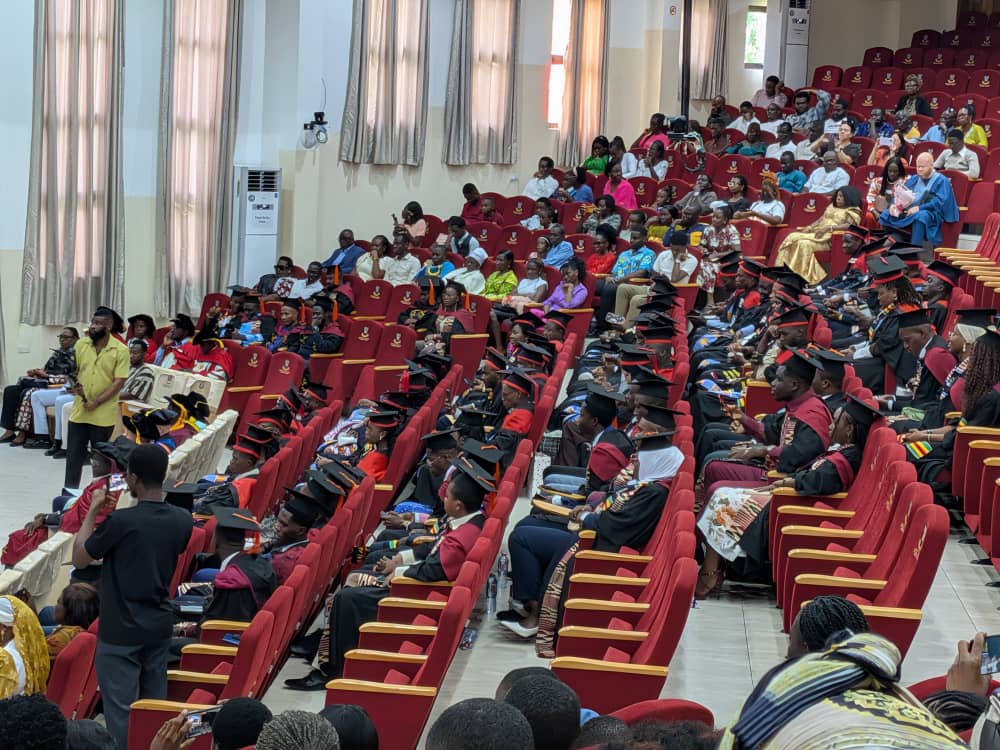
Delivering his inaugural lecture at the University of Ghana's Great Hall on Thursday, 26 June, themed "Disease Smuggling: The Unseen Cargo in Global Health Security – Lessons from Cholera and COVID-19 in Ghana", Prof. Kenu traced the country's first recorded cholera case to September 1970, when a traveller from Togo collapsed at the then Accra International Airport. He noted, however, that the true source was a Ghanaian fisherman who had died in Togo and whose body was repatriated by relatives, unknowingly introducing the cholera bacteria into the country.
Since that first outbreak, Ghana has experienced more than 15 cholera episodes. In 2014, Greater Accra alone recorded over 20,000 cases, with nearly 80 per cent of index cases linked to prior travel to the capital. During a 2016 outbreak in Cape Coast, Prof. Kenu revealed that visiting a cholera treatment centre increased a patient's risk of infection by twelve times — a stark indication that healthcare facilities themselves had become sites of transmission.
On the COVID-19 pandemic, Prof. Kenu said the virus entered Ghana in March 2020 via travellers arriving from Turkey and Norway. Analysis of the first 17,763 confirmed cases showed that close to 80 per cent of those infected showed no symptoms, enabling silent community spread. He added that only 12.3 per cent of Ghanaians practised proper hand hygiene in public spaces, and nearly 60 per cent wore face masks incorrectly during the outbreak period. Laboratory delays of up to 10 days also worsened the situation.
A Silver Lining from the Pandemic
In a surprising finding, Prof. Kenu disclosed that a Phase II clinical trial for a new cholera treatment, conducted between 2021 and 2023, had to be abandoned — not due to funding or logistics, but because improved hygiene habits adopted during the COVID-19 period had reduced cholera transmission so dramatically that no patients could be enrolled. He described this as compelling evidence of what behavioural change and proper sanitation could achieve.
The professor warned that Ghana currently loses between US$290 million and US$500 million annually — roughly 1.6 per cent of GDP — due to poor sanitation and inadequate hygiene. He called on authorities to invest in field epidemiology training, decentralised laboratories, community surveillance networks and digital disease monitoring systems. "Disease smuggling will never stop at passport control points. It ends when our systems function effectively and when every citizen becomes part of disease surveillance," he said. University of Ghana Vice-Chancellor, Professor Nana Aba Appiah Amfo, who chaired the event, echoed his call, urging policymakers and researchers to act on the lessons from Ghana's cholera and COVID-19 experiences.
Source: The Ghanaian Times

Comments (0)
Be the first to comment.