Thousands of Africans Flee South Africa as Anti-Migrant Marches Turn Violent
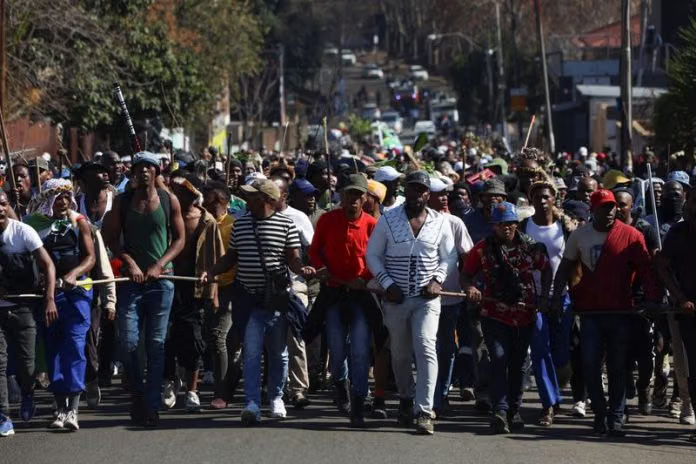
Tens of thousands of African migrants have been displaced or forced into hiding across South Africa after nationwide anti-immigrant protests turned violent on Tuesday, with demonstrators — many carrying wooden weapons and draped in flags — marching through major cities including Johannesburg, Durban and Pietermaritzburg to mark a self-imposed deadline for undocumented foreigners to leave the country.
The marches were organised by a group called March and March, led by Jacinta Ngobese, who addressed demonstrators in the port city of Durban. "For the next six months, we are asking for our national resources to be used to take the illegal immigrants out of this country. From building to building — they must go," she said. Ngobese added that the group intends to hold weekly marches until its demands are met.
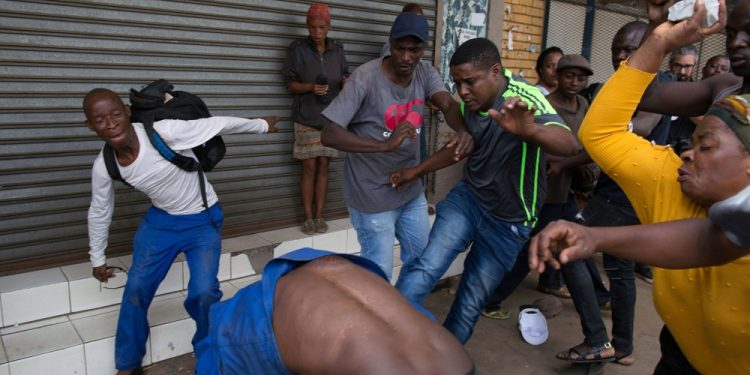
At least four people have been killed since unrest began, and thousands of foreign nationals have been driven from their homes and had their businesses and properties vandalised. In the Johannesburg suburb of Thembisa, rioters hurled stones at police and suspected migrants, whilst sporadic gunfire was reported near the central business district. Officers deployed tactical vehicles in Benoni, eastern Johannesburg, after facing a crowd of around 500 protesters, according to national newspaper the Daily Maverick. Rubber bullets were fired to disperse marchers in Pietermaritzburg, and looters ransacked the shacks of foreign nationals in Soweto, the SABC reported.
Many Ghanaians and other West Africans reside and do business in South Africa, and the violence has raised serious alarm across the continent. Around 100 Congolese nationals were reported to be sleeping rough on the streets of Durban after being evicted by landlords fearful of their properties being attacked. Migrants from across Africa, including those who entered South Africa legally, have not been spared, as little distinction is typically made between documented and undocumented foreigners during such attacks — a pattern that has recurred since 2008.
South African President Cyril Ramaphosa acknowledged on Monday that concerns about illegal immigration were "real" and deserved to be heard, but warned that protest rights do not extend to threats, intimidation, vandalism or violence. Deputy National Commissioner Tebello Mosikili confirmed that 103 criminal cases had been opened against anti-foreigner vigilantes since March, and that thousands of police had been deployed, with the military on standby.
Critics have accused some politicians of amplifying xenophobic sentiment ahead of local elections due by November. Social scientists, however, dispute claims that immigrants are responsible for unemployment and crime, noting that South Africa's migrant population stands at roughly three million — approximately 4% of the total population, a relatively modest figure by global standards. Despite three decades since the end of apartheid, South Africa remains Africa's largest economy but also one of its most unequal, with about a third of its citizens unemployed. The ongoing unrest has drawn international condemnation and strained South Africa's relations with fellow African nations.
Source: MyJoyOnline
Comments (0)
Be the first to comment.