Ghana's Deputy Attorney General Vows International Pursuit of TOR Bribery Suspects with US Support

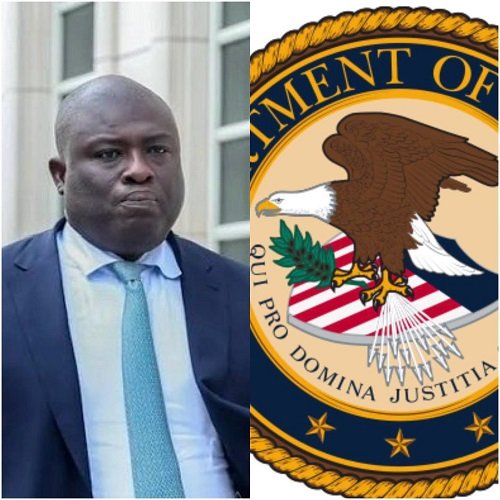
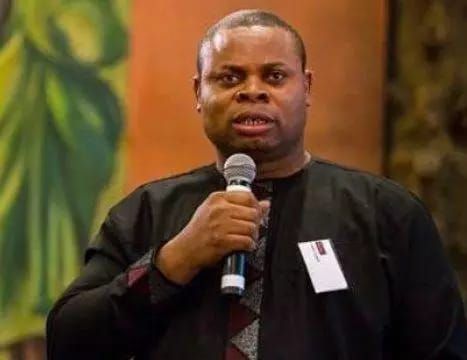
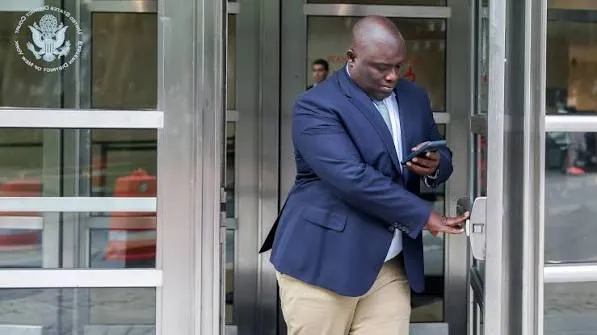
Ghana's Deputy Attorney General has pledged to work closely with United States authorities to pursue and prosecute all individuals implicated in a major bribery scheme involving the Tema Oil Refinery (TOR), following the conviction of former TOR Managing Director Asante Kwaku Berko by a US federal jury in Brooklyn.
The conviction marks a significant milestone in Ghana's fight against corruption within state-owned enterprises, particularly in the critical oil and energy sector. The case demonstrates the growing willingness of international courts to hold Ghanaian officials accountable for financial crimes, and signals intensified cross-border enforcement efforts between Accra and Washington.
The TOR Bribery Scandal
The Tema Oil Refinery, Ghana's primary petroleum refining facility, has long been viewed as strategically important to the nation's energy security and economic development. Allegations of bribery and corruption within TOR's management represent a serious breach of public trust and misuse of state resources. Berko's conviction in the United States suggests that the scheme involved actors or transactions with direct connections to American jurisdiction, triggering federal prosecution.
The Deputy Attorney General's commitment to pursue remaining suspects indicates that the Brooklyn verdict is not an isolated prosecution but rather part of a broader investigation into a network of individuals allegedly involved in corrupt practices. This suggests multiple layers of involvement—potentially including contractors, intermediaries, government officials, and private sector actors.
Why This Matters for Ghana
Corruption in state-owned enterprises like TOR has long drained Ghana's public finances and undermined investor confidence. The refinery is critical to Ghana's ability to process domestic crude oil and manage fuel supply chains, making its integrity essential to economic stability.
The successful prosecution and promised follow-up actions signal several important developments:
- Ghana's government is demonstrating willingness to pursue white-collar criminals beyond its borders, with international cooperation proving effective where domestic systems alone may have failed
- The case may deter similar conduct within Ghana's public sector by showing that perpetrators face real consequences, even if they flee the country
- International cooperation in corruption cases strengthens Ghana's reputation with development partners and trade officials, potentially improving conditions for future investment and financial partnerships
- The involvement of the Deputy Attorney General directly suggests this is being treated as a priority matter at the highest levels of Ghana's justice system
Ghana has committed to combating corruption as part of its obligations under international conventions and agreements with trading partners. High-profile prosecutions—particularly those resulting from international cooperation—demonstrate tangible progress on this front.
The Path Forward
The Deputy Attorney General's statement indicates that investigations remain active and that additional arrests or prosecutions may follow. Whether other suspects are currently in Ghana, abroad, or in the United States will determine the procedural complexity of pursuing charges.
For Ghanaians, this case underscores the importance of institutional accountability. Corruption in energy sector management has real consequences for fuel prices, availability, and overall economic performance. Holding senior officials accountable, particularly through international channels, represents a necessary step toward rebuilding public trust in state institutions and protecting Ghana's national resources.
Source: 3News

Comments (0)
Be the first to comment.